 Big Big GameFishing Co.
How to Choose a Fishing Rod: Power, Action, Length & Cost (2026)
Key takeaways
- Power = strength. How much force it takes to bend the blank, from Ultra Light to Extra Heavy — match it to your line and lure weight. (Lamiglas / Norrik)
- Action = where it bends. Slow bends near the handle; extra-fast bends only at the tip. Moderate suits treble hooks; fast/extra-fast suit single hooks. (Wired2Fish)
- 4–14 ft. Longer rods cast farther but are harder to control; a 6–6.5 ft medium, moderate-fast spinning rod is the all-round beginner pick. (FishingBooker)
- $80–$150. What the average angler spends; budget rods start at $20–$50 and premium rods top $2,000, but mid-range now wins on value. (SimplyCodes)
- Graphite ~50% / fiberglass ~40%. Graphite is lighter and more sensitive; fiberglass is tougher and cheaper; composites blend both. (market reports)
- 6% CAGR. The rods market is growing steadily as blended materials close the gap between entry-level and high-end gear. (Grand View Research)
Power, action & length: the three that matter
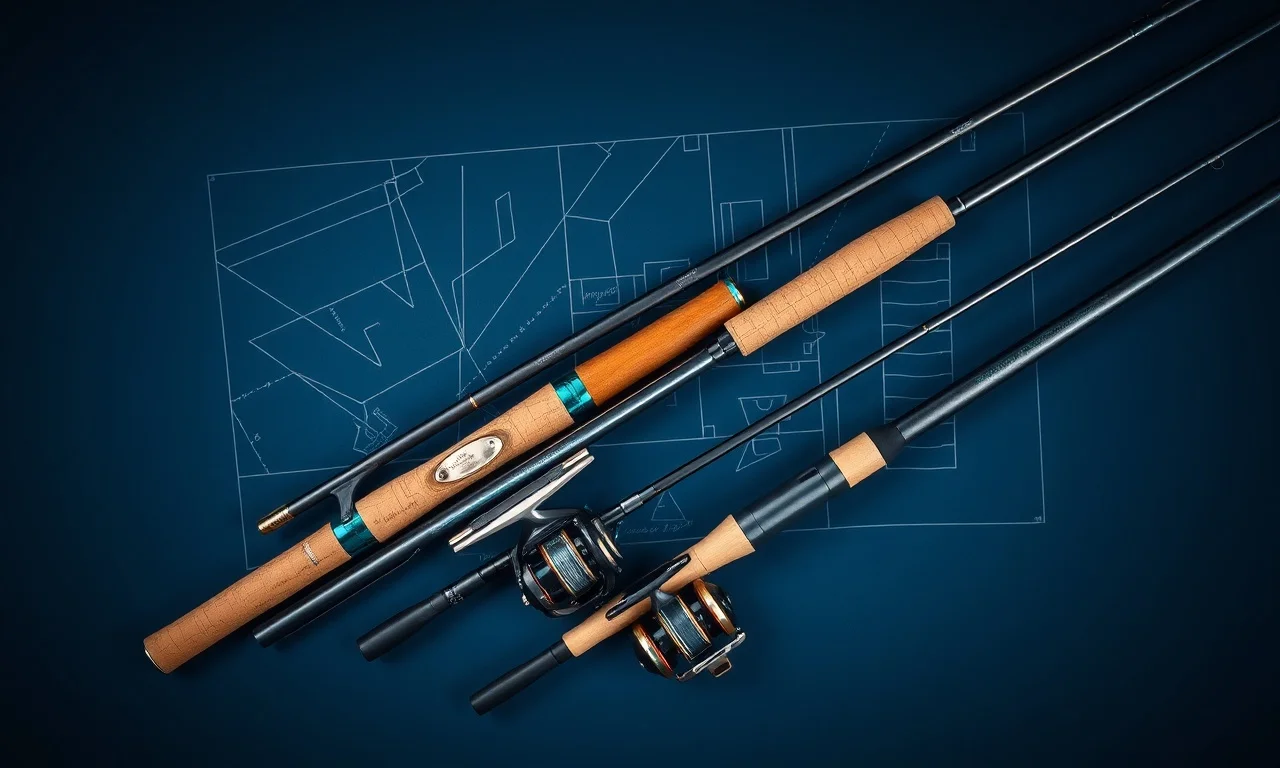
Every rod choice comes down to three specs: power (how hard it is to bend), action (where it bends), and length (how far it casts and how much control you get). Match those to your species, lure weight, and line, and the rest is preference.
Get these three right and a $60 rod will out-fish a $600 rod used for the wrong job. The sections below give the reference charts, then the interactive selector recommends a setup for what you actually fish. If you're building a whole setup, pair this with our reels and line guide — rod, reel, and line have to be balanced to work.
Rod power chart (line & lure weight)
Power describes the force needed to bend the rod. Lighter power throws lighter lures and lands smaller fish; heavier power pulls big fish out of cover. Here is how the standard classes map to line and lure weight.
| Power | Line weight | Lure weight | Best for |
|---|---|---|---|
| Ultra Light | 1–4 lb | 1/64–1/16 oz | Panfish, trout, finesse |
| Light | 4–8 lb | 1/32–1/8 oz | Trout, panfish, small bass |
| Medium | 6–12 lb | 1/8–3/8 oz | Bass, walleye, all-round |
| Medium Heavy | 12–20 lb | 3/16–1/2 oz | Bass in cover, catfish |
| Heavy | 20–30 lb | 1/2–2 oz | Pike, muskie, heavy cover |
| Extra Heavy | 25 lb+ | 1.5 oz+ | Saltwater, big game |
Power ratings aren't universal — a "medium" from one brand can differ from another — which is why the recommended range is printed on the blank. For the lures those ratings are built around, see our lures, baits and tackle hub.
Rod action: where the blank bends
Action is where the rod flexes under load. Faster action bends higher up the blank for quicker, more sensitive hooksets; slower action bends deeper for casting distance and forgiveness with treble hooks.
| Action | Bends at | Best for |
|---|---|---|
| Slow | Lower third | Light line, distance, panfish |
| Moderate | Top half | Crankbaits & treble-hook lures |
| Fast | Top third | Worms, jigs, single hooks, quick sets |
| Extra-Fast | Tip only | Heavy cover, maximum sensitivity |
A simple rule: treble hooks like a softer, moderate action (the fish can turn without pulling free), while single hooks like fast or extra-fast for an instant, powerful set. Matching action to your technique matters more than chasing the fastest rod on the rack.
Rod length: casting distance vs control
Rods run from about 4 to 14 feet. Longer rods cast farther and manage line better at range; shorter rods give accuracy and control in tight spots.
| Length | Trade-off | Best for |
|---|---|---|
| Short | < 7 ft | Boat, kids, precise casts, close cover |
| Medium | 7–9 ft | All-round balance of distance & control |
| Long | > 9 ft | Surf, long-range, reaching distant fish |
Shore and surf anglers lean long for distance; boat and kayak anglers usually drop shorter for control. For most people fishing from a bank or small boat, 6.5–7 ft is the sweet spot.
Graphite vs fiberglass vs composite
Blank material sets a rod's feel. Graphite is light and sensitive, fiberglass is durable and forgiving, and composite blends the two — and the market splits roughly 50/40 between graphite and fiberglass.
| Material | Market share | Character |
|---|---|---|
| Graphite / carbon | ~50% | Light, sensitive, stiffer — feel & hooksets |
| Fiberglass | ~40% | Durable, forgiving, affordable |
| Composite | Balance | Graphite + fiberglass blend |
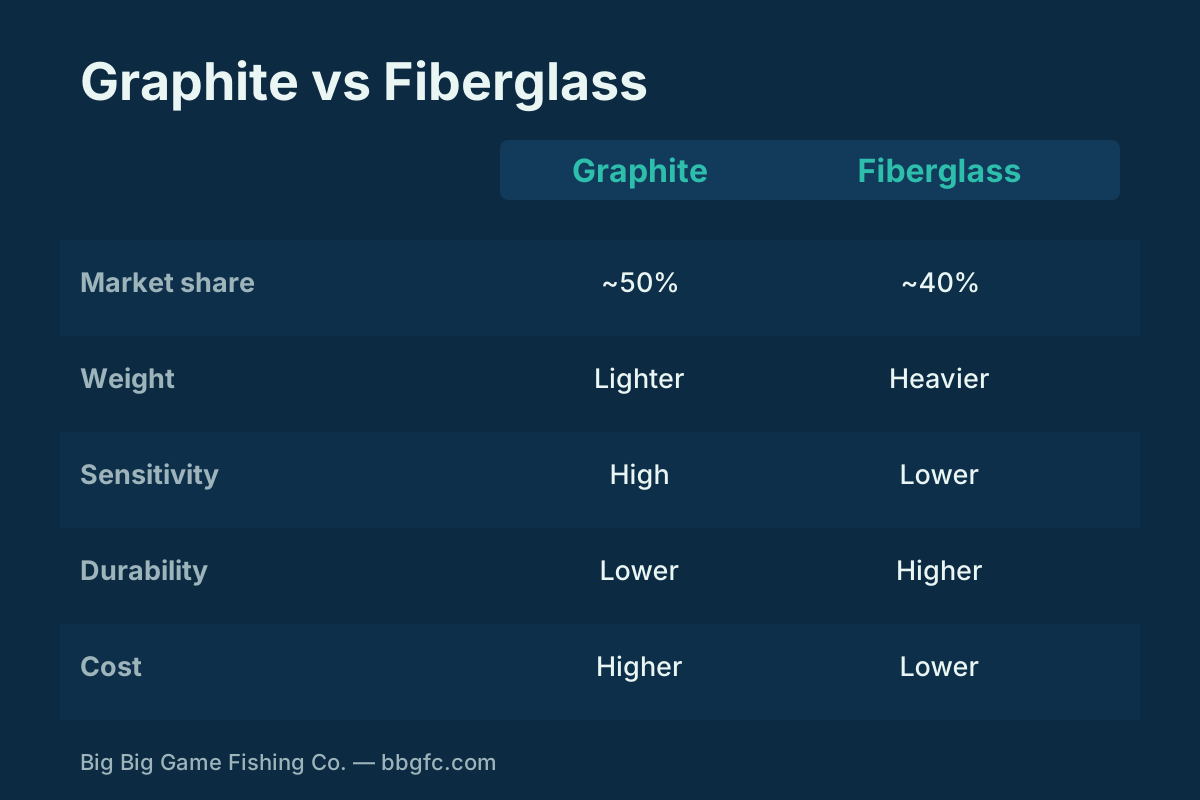
For finesse fishing where you need to feel a light bite, graphite wins. For trolling, kids, or rough handling, fiberglass shrugs off abuse. Many saltwater and big-game anglers favor composites for the mix of backbone and durability.
How much should you spend on a rod?
Budget rods start at $20–$50, the average angler spends $80–$150, and premium tournament rods run into the thousands — but in 2026 mid-range rods offer the best value as materials improve.
| Tier | Price | Examples |
|---|---|---|
| Budget / beginner | $20–$50 | Ugly Stik GX2 (~$40), Berkley Cherrywood HD (<$35) |
| Mid-range (avg angler) | $80–$150 | St. Croix Triumph (~$120) |
| Premium / tournament | $200–$2,000+ | G. Loomis, St. Croix Legend Elite |
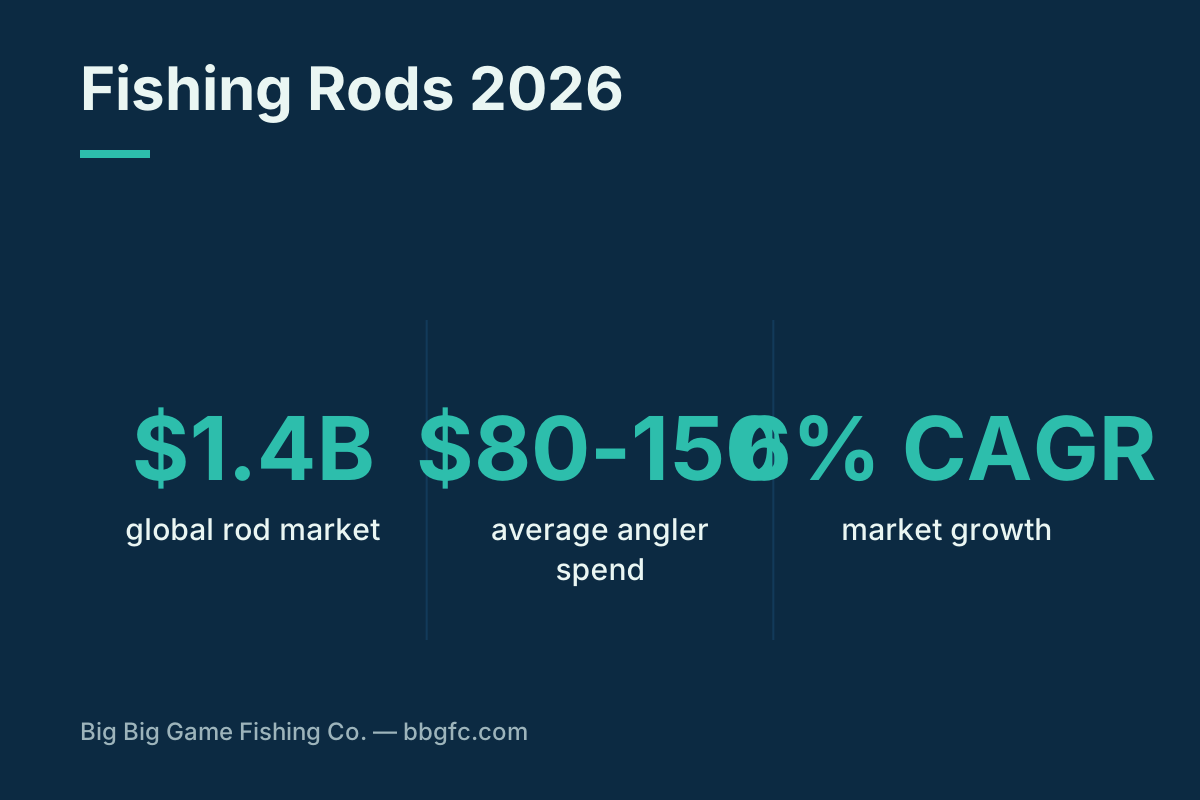
The cheapest rod is rarely the best value — a slightly better mid-range rod lasts longer and fishes better. Round out the budget with the right gear and accessories rather than overspending on the blank alone.
What rod do I need?
Explore our fishing rod guides
Deep-dive guides on every rod type and brand go live as we publish them.
Methodology
Rod power, action, and length conventions are compiled from manufacturer references (Lamiglas, Shimano) and established angling authorities (Wired2Fish, BassResource, FishingBooker), cross-checked for agreement. Market size, growth, and material share come from 2026 fishing-rod market analyses; pricing reflects current-year cost guides and retail listings. Ratings vary by brand — always verify against the blank. Maintained as an evergreen reference and updated as the market shifts.
Frequently asked questions
How do I choose the right fishing rod?
What is the difference between rod power and action?
What size fishing rod should a beginner get?
How much should I spend on a fishing rod?
Graphite or fiberglass — which rod is better?
Spinning vs baitcasting rod — which should I get?
What lure weight can each rod power handle?
How big is the fishing rod market?
Sources
- FishingBooker. "How to Choose a Fishing Rod (2026)." fishingbooker.com. Accessed Sept 19, 2026.
- Wired2Fish. "Fishing Rods Explained — Action, Power and More." wired2fish.com. Accessed Sept 19, 2026.
- Lamiglas. "Line Rating, Power & Lure Rating Explained." lamiglas.com. Accessed Sept 19, 2026.
- Norrik. "Fishing Rod Lure Weight and Line Test Chart." norrik.com. Accessed Sept 19, 2026.
- Grand View Research. "Fishing Rods Market." grandviewresearch.com. Accessed Sept 19, 2026.
- SimplyCodes. "Fishing Rod Cost Guide." simplycodes.com. Accessed Sept 19, 2026.