 Big Big GameFishing Co.
Types of Fishing Lures & When to Use Them: Baits, Hooks & Tackle (2026)
Key takeaways
- 7 core types. Jigs, crankbaits, spinnerbaits, spoons, soft plastics, topwater, and swimbaits — each imitates prey a different way. (Wired2Fish)
- Crankbait = cover water. Best around wood or rock in 10–20 ft; longer bills dive deeper; skip the weeds. (Take Me Fishing)
- Jig = heavy cover. Grass, wood, and stumps, shallow or deep; soft plastics work almost anywhere. (Take Me Fishing)
- Spinnerbait = versatile. Thump and flash draw strikes in all water temps and colors on a steady retrieve. (Outdoor Life)
- Bait = quantity vs quality. Artificial catches more numbers; live bait's scent and motion win the biggest fish. (SaltStrong)
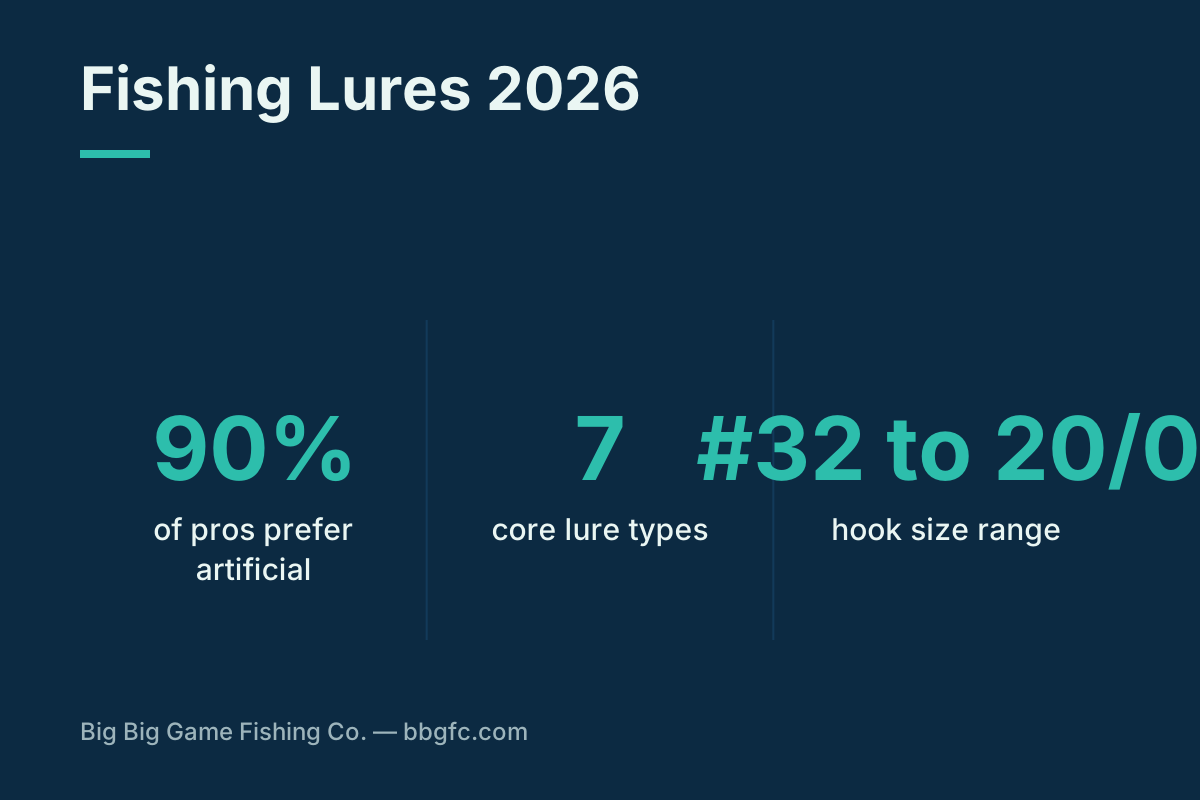
- Hooks: #32 → 20/0. Numbers shrink as hooks grow to #1, then flip to the aught scale where bigger numbers mean bigger hooks. (Academy / Eagle Claw)
The 7 core lure types
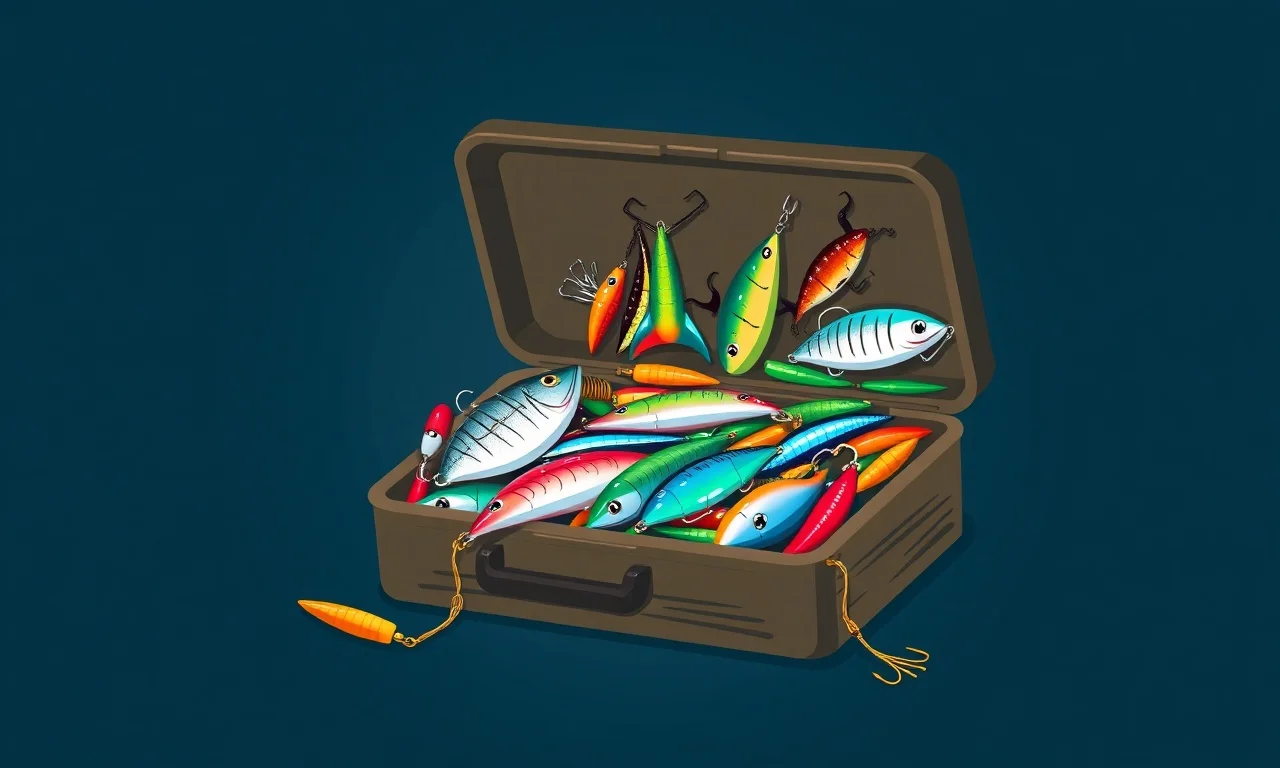
Most lures fall into seven families. Each imitates prey in a distinct way, which is what makes it better or worse for a given species, depth, and water condition.
| Lure | Imitates / triggers | Signature use |
|---|---|---|
| Jig | Crawfish, bottom prey | Heavy cover |
| Crankbait | Fleeing baitfish | Cover water fast |
| Spinnerbait | Flash + vibration | All conditions |
| Soft plastic | Worms, creatures, baitfish | Anywhere |
| Topwater | Surface prey, frogs | Low light / over cover |
| Spoon | Wounded baitfish flash | Open water / jigging |
| Swimbait | Larger baitfish | Pressured big fish |
If you're just starting, three lures cover most days: a soft plastic, a spinnerbait, and a crankbait. They're the backbone of nearly every bass fishing tackle box and translate to most freshwater species.
When to use each lure
Match the lure to cover, depth, and water clarity. Here's the quick decision guide most anglers actually fish by.
| Lure | When it shines | Retrieve |
|---|---|---|
| Jig | Heavy cover — grass, wood, stumps; any depth | Bounce along bottom |
| Crankbait | Wood/rock, 10–20 ft, covering water; not weeds | Steady |
| Spinnerbait | All temps & water colors; stained water | Steady, vary speed |
| Soft plastic | Clear or muddy, cover or open — anywhere | Dead-stick to swim |
| Topwater | Low light, warm water, over cover | Short surface twitches |
| Swimbait | Pressured, larger fish keying on baitfish | Slow steady swim |
Lure choice and technique are inseparable — the same crankbait fished fast or slow, shallow or deep, becomes a different bait. When in doubt, a soft plastic worked slowly rarely fails.
Live bait vs artificial lures
It comes down to quantity vs quality. Artificial lures catch more fish overall and let you target specific species with less bycatch; live bait's scent and movement are hard to beat for the biggest fish and in saltwater.
| Approach | Strengths | Best for |
|---|---|---|
| Artificial lures | More total fish, species targeting, less bycatch, reusable | Numbers & covering water |
| Live / natural bait | Scent + lifelike movement no lure duplicates | Biggest fish & saltwater |
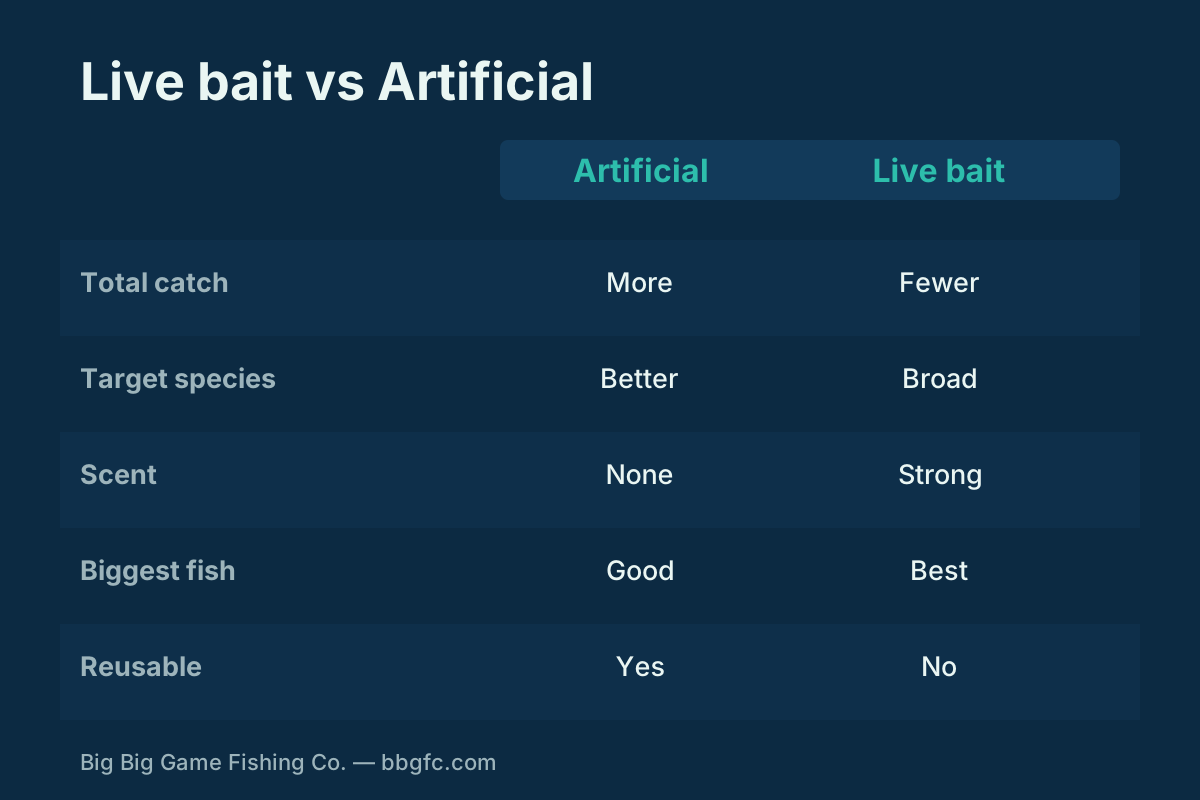
About 90% of pros lean artificial, but the honest answer is situational: on a tough bite for a big saltwater gamefish, live bait's scent can be the difference. Keep both tools and let conditions decide.
Fishing hook size chart
Hook sizes use two inverse scales. From #32 (tiny) to #1, the number gets smaller as the hook gets bigger. Above #1 the scale flips to "aughts" — 1/0 to 20/0 — where bigger numbers mean bigger hooks.
| Size range | Scale | Typical use |
|---|---|---|
| #32–#6 | Number (inverse) | Trout flies, panfish, small baits |
| #4–#1 | Number (inverse) | Panfish to bass live bait |
| 1/0–5/0 | Aught | Bass soft plastics, catfish, inshore |
| 6/0–20/0 | Aught | Sharks, tuna, big offshore game |
The pivot point is size 1: just below it is 1/0. Remember that and any hook chart makes sense. Match the hook to your bait and target — and pair it with the right line from our reels & line guide.
Tackle box essentials
A beginner tackle box doesn't need to be huge. A handful of proven lures, an assortment of hooks, and basic terminal tackle cover almost every freshwater situation.
Add sinkers, swivels, and bobbers, and you can fish almost anywhere. As you specialize, the child guides below go deep on rigs, knots, and species-specific tackle.
Which lure right now?
Explore our lure & tackle guides
Deep dives on every lure family, rig, knot, and tackle category go live as we publish them.
Methodology
Lure types, when-to-use guidance, and retrieves are compiled from established angling authorities (Take Me Fishing, Wired2Fish, Outdoor Life) and cross-checked for agreement. The live-bait-vs-artificial comparison and the 90% pro-preference figure are drawn from angler analyses and presented as estimates. Hook sizing follows the standard number/aught scales (Academy, Eagle Claw). Lure choice is situational — treat this as a starting framework. Maintained as an evergreen reference.
Frequently asked questions
What are the main types of fishing lures?
When should I use a crankbait vs a jig?
What is the best all-round lure for beginners?
Does live bait or artificial catch more fish?
How do fishing hook sizes work?
What size hook should I use?
What lures work best in muddy or stained water?
What should be in a beginner's tackle box?
Sources
- Take Me Fishing. "Bass Fishing Lures." takemefishing.org. Accessed Sept 19, 2026.
- Wired2Fish. "Types of Fishing Lures." wired2fish.com. Accessed Sept 19, 2026.
- SaltStrong. "Live Bait vs Artificial." saltstrong.com. Accessed Sept 19, 2026.
- White Fish Bay Camp. "Live Bait vs Artificial Lures." whitefishbaycamp.com. Accessed Sept 19, 2026.
- Academy. "Fishing Hook Size Chart." academy.com. Accessed Sept 19, 2026.