 Big Big GameFishing Co.
Bass Fishing: Largemouth vs Smallmouth, Techniques & Gear (2026)
Key takeaways
- ID at a glance. Largemouth: mouth past the eye, horizontal stripe. Smallmouth: mouth within the eye, vertical bars, bronze. (FishUSA)
- 22-4 vs 11-15. Largemouth grow far bigger — 22 lb 4 oz record vs 11 lb 15 oz for smallmouth. (IGFA / Outdoor Life)
- Habitat splits them. Largemouth love warm, shallow, weedy cover; smallmouth prefer cool, clear, rocky water. (FishUSA)
- Tactics differ. Flip and pitch cover for largemouth; finesse — drop shot, Ned rig — for smallmouth. (Outdoor Life)
- #1 gamefish. Over half of ~60M US anglers prefer bass; the typical bass angler spends $2,300+ a year. (Westernbass)
- Big business. Bass drive ~$936M in annual boat sales inside a ~$125B sportfishing economy. (ASA / Westernbass)
Largemouth vs smallmouth: quick ID
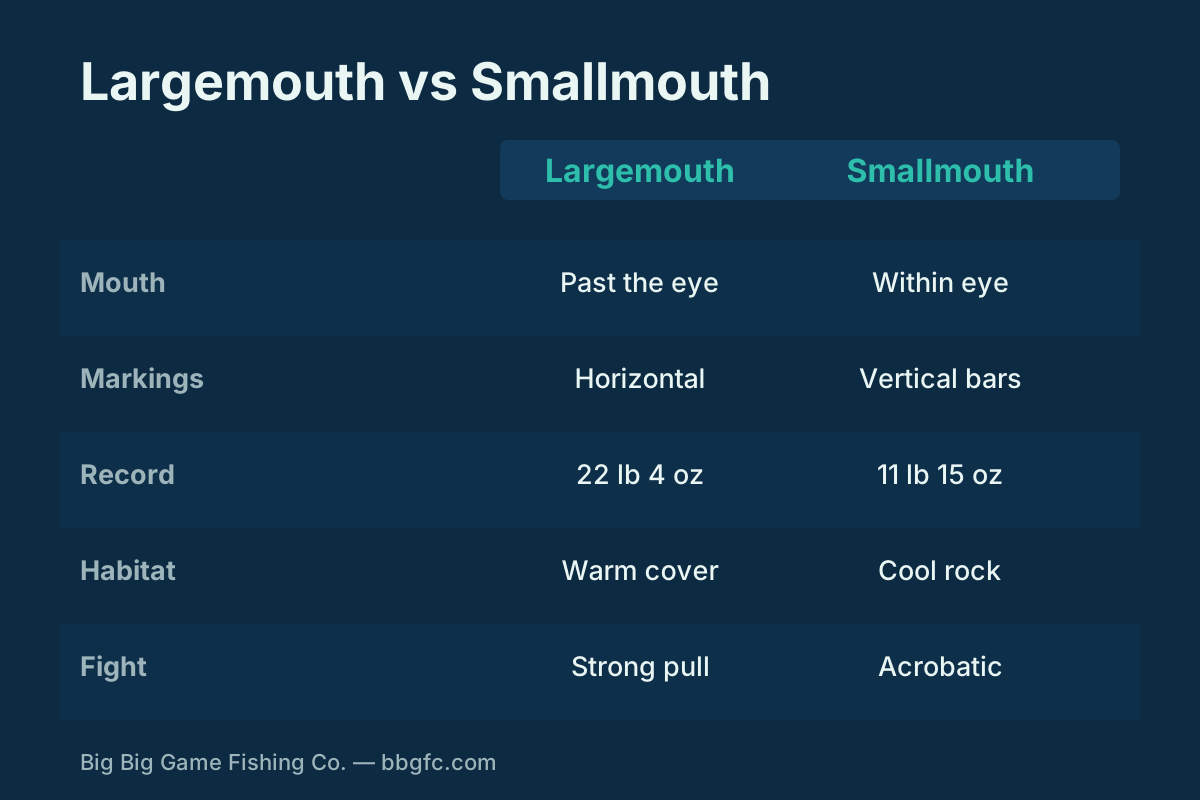
The fastest tell is the mouth: a largemouth's jaw extends past its eye, a smallmouth's ends within the eye line. Largemouth wear a horizontal stripe; smallmouth show vertical bars and a bronze cast.
| Trait | Largemouth | Smallmouth |
|---|---|---|
| Mouth | Past the eye | Within the eye |
| Markings | Horizontal stripe | Vertical bars, bronze |
| World record | 22 lb 4 oz | 11 lb 15 oz |
| Fight | Strong pull, tires fast | Acrobatic, longer fight |
Both are black bass and often share water, but they reward different approaches. For the wider family, see our freshwater species hub, and for record-class fish, our records & culture hub.
Habitat & behavior
Largemouth are ambush predators of warm, shallow, weedy water; smallmouth are roaming hunters of cool, clear, rocky lakes and rivers. Where you fish tells you which you'll catch.
Water temperature is the great divider: largemouth's tolerance for warmth gives them a longer growing season in southern lakes, while smallmouth dominate northern, glacial, and highland reservoirs.
How to catch each
Match the tactic to the fish: power techniques into cover for largemouth, finesse presentations in open clear water for smallmouth.
| Species | Go-to tactics | Best lures |
|---|---|---|
| Largemouth | Flip & pitch into grass, docks, brush | Jigs, Texas-rigged plastics, spinnerbaits, frogs |
| Smallmouth | Finesse in clear water; cover water to find them | Drop shot, Ned rig, tubes, hair jigs |
Whichever you chase, the lure families and rigs are covered in our lures & tackle hub, and the retrieves in our techniques hub. When in doubt, a soft plastic worked slowly catches both.
Bass gear basics
One versatile setup covers most bass fishing: a 6'6"–7' medium to medium-heavy rod, a 2500–3000 spinning reel or a baitcaster, and 10–15 lb line (or 30 lb braid with a fluoro leader).
| Component | Bass starting point |
|---|---|
| Rod | 6'6"–7' medium / medium-heavy, fast |
| Reel | 2500–3000 spinning or baitcaster |
| Line | 10–15 lb mono/fluoro or 30 lb braid |
| Core lures | Soft plastic, jig, spinnerbait, crankbait |
Dial in the exact rod in our rods guide and the reel-and-line pairing in our reels & line guide. Finesse smallmouth work leans spinning; heavy-cover largemouth work leans baitcaster.
Bass fishing by the numbers
Bass isn't just popular — it's an economic engine. Here's the scale of America's favorite freshwater pursuit.
| Metric | Value | Source |
|---|---|---|
| Freshwater anglers (2025) | 46 million | ASA 2026 |
| Prefer bass | >50% of anglers | Westernbass |
| Annual bass tackle spend | $1.02 billion | Westernbass |
| Annual bass boat spend | $936 million | Westernbass |
| Typical bass angler spend | $2,300+/yr | Westernbass |
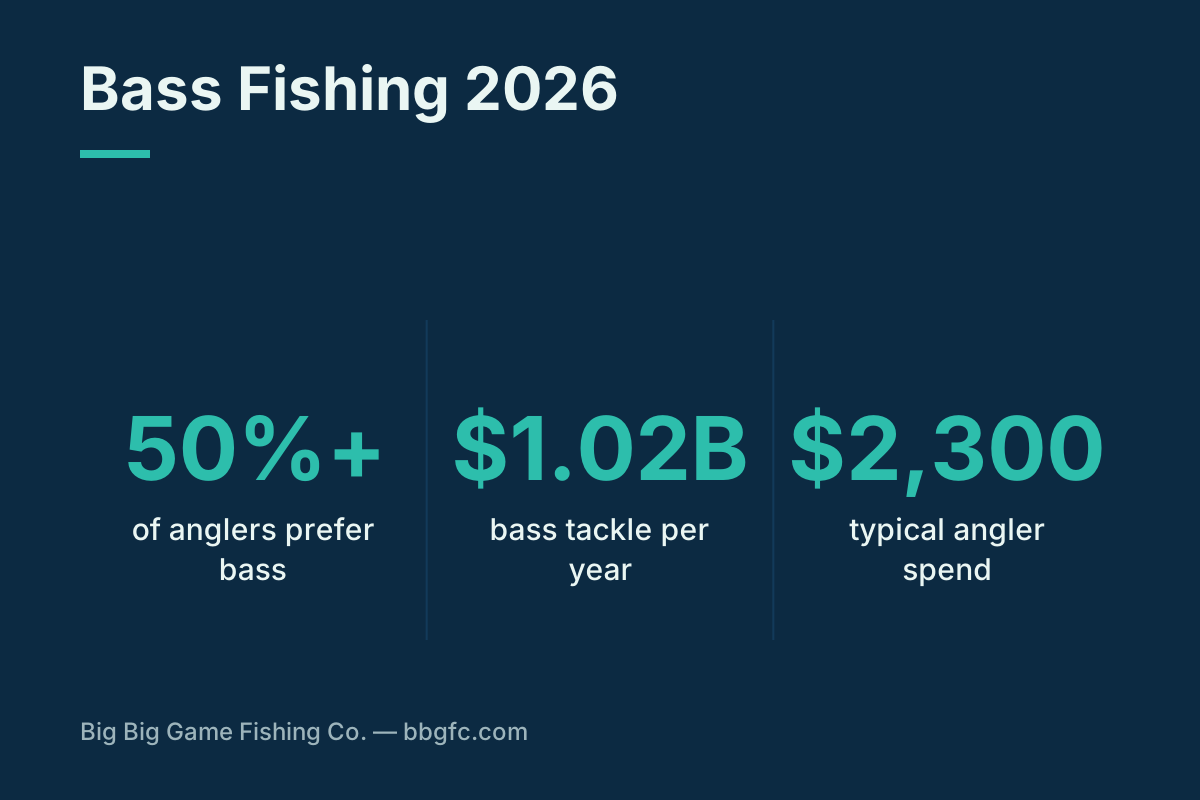
The typical dedicated bass angler is about 42, owns roughly 14 rod-and-reel combos and a bass boat — a level of investment that sustains a tournament and tackle industry worth billions.
Largemouth or smallmouth?
Explore our bass fishing guides
Deep dives on species, lures, techniques, and rigs go live as we publish them.
Methodology
Species identification, habitat, and tactics are compiled from established angling authorities (FishUSA, Outdoor Life, FishingBooker) and cross-checked for agreement. Participation and economic figures come from the ASA's 2026 reporting and widely cited sportfishing-industry statistics, presented as industry estimates. Bass behavior is seasonal and regional; treat tactics as a framework. Maintained as an evergreen reference.
Frequently asked questions
What is the difference between largemouth and smallmouth bass?
How do you catch largemouth bass?
How do you catch smallmouth bass?
Which fights harder, largemouth or smallmouth?
Why is bass fishing so popular?
What gear do I need for bass fishing?
How much does the average bass angler spend?
How big is bass fishing's economic impact?
Sources
- FishUSA. "Largemouth vs. Smallmouth Bass." fishusa.com. Accessed Sept 19, 2026.
- Outdoor Life. "Largemouth Bass vs Smallmouth." outdoorlife.com. Accessed Sept 19, 2026.
- Westernbass. "Fishing Is BIG Business." westernbass.com. Accessed Sept 19, 2026.
- American Sportfishing Association. "Reports and Trends." asafishing.org. Accessed Sept 19, 2026.