 Big Big GameFishing Co.
Fishing Techniques & Styles: Casting, Trolling, Jigging, Fly & More (2026)
Key takeaways
- Casting is the base. Every technique builds on delivering line and lure to a target. (FishingBooker)
- Trolling covers water. The most versatile method — bait behind a moving boat, fresh or salt. (Guidesly)
- Jigging is vertical. Drop and work a lure to imitate a wounded baitfish. (Guidesly)
- Bottom fishing is easiest. Bait on the bottom for panfish, catfish, and carp. (Guidesly)
- Fly is the most technical. Cast the line's weight to deliver a fly; 7.9M fly anglers in 2025. (Fly Fisher Pro)
- Fly vs spin = tools. Spin is forgiving and efficient; fly excels in clear moving water. (River Run)
The core techniques
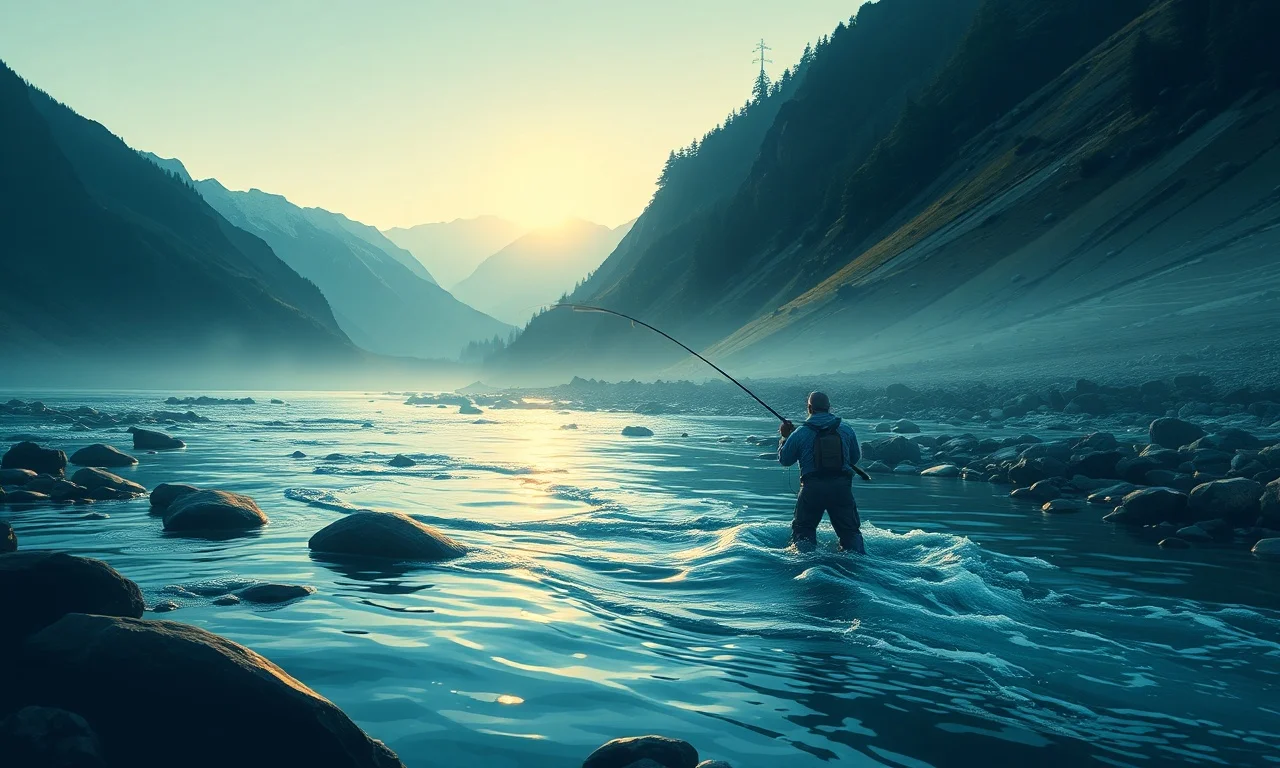
Five techniques cover almost all fishing. Master these and you can adapt to nearly any water or species.
| Technique | How it works | Best for |
|---|---|---|
| Casting | Use rod flex to throw line & lure | The foundation; all species |
| Trolling | Drag lure/bait behind a moving boat | Covering water; pelagics, walleye |
| Jigging | Work a lure vertically up and down | Tuna, walleye, bottom fish |
| Bottom fishing | Bait near the bottom, let it soak | Catfish, panfish, carp; beginners |
| Fly fishing | Cast the line's weight to deliver a fly | Trout in clear moving water |
Each technique pairs with specific gear — match yours using our rods and reels & line guides, and the baits in the lures & tackle hub.
Fly vs spin fishing
The classic debate isn't about which is better — it's about the right tool for the water. Spin fishing is forgiving and efficient; fly fishing rewards practice with unmatched drift control.
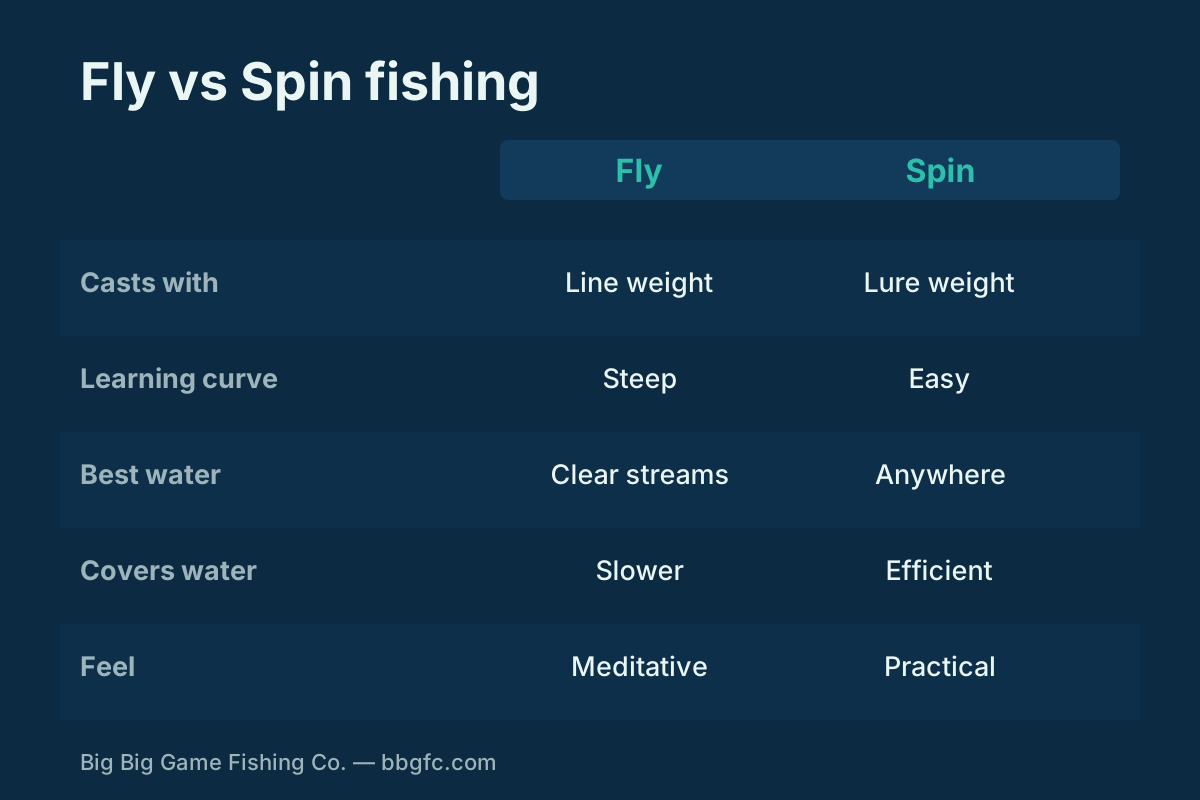
Spin fishing uses the lure's weight to cast, making it the easier, more efficient start and better for covering water or fishing deep. Fly fishing casts the line's weight to present a nearly weightless fly, excelling for selective trout in clear, moving water. Many anglers do both.
Specialized styles
Beyond the core five, several styles unlock specific waters and seasons.
| Style | Where / when |
|---|---|
| Surf fishing | From the beach into the surf — stripers, drum |
| Ice fishing | Through the ice in winter — walleye, panfish, pike |
| Sight / flats fishing | Spotting fish in clear shallows — bonefish, redfish |
| Inshore fishing | Bays and flats — snook, trout, redfish |
| Deep sea fishing | Offshore trolling and jigging — tuna, marlin |
These styles overlap the core techniques — surf and inshore are mostly casting, deep sea is trolling and jigging. Pick the water in our charters & places hub and the species in the species hub.
Which technique when
Match the method to the water and target — here's the quick logic most anglers fish by.
Covering open water to find fish? Troll. Fish stacked on structure or bottom? Jig or bottom fish. Selective trout in a clear stream? Fly fish. The technique should follow the fish, not your ego.
Techniques by the numbers
Fly fishing keeps a devoted following even as spin fishing dominates by volume.
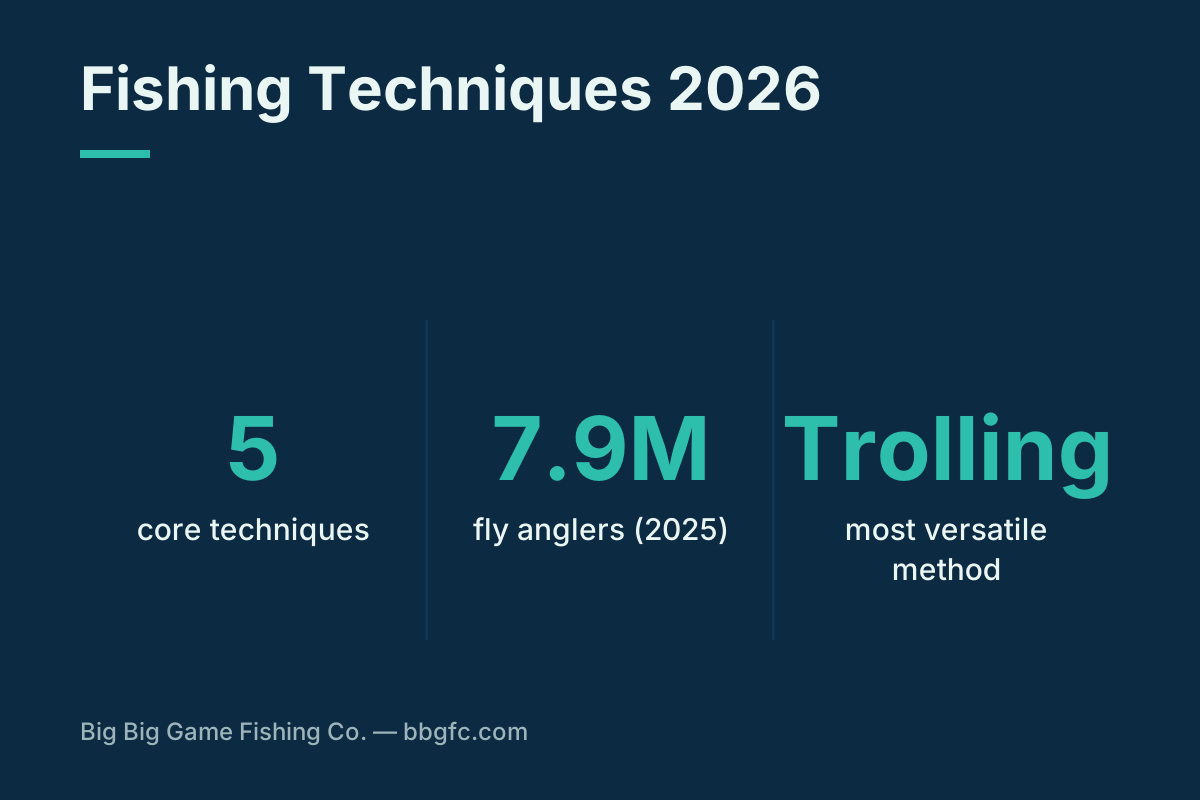
Fly fishing counted 7.9 million U.S. participants in 2025 — about a 3% participation rate and nearly 2 million more than a decade ago — while trolling remains the most versatile method across fresh and salt water.
Find a technique
Explore our technique guides
Technique and style guides go live as we publish them.
Methodology
Technique explanations and comparisons are compiled from established angling references (FishingBooker, Guidesly, River Run Angling, Kings River Life) and cross-checked for agreement. Fly-fishing participation figures come from 2026 industry statistics and the ASA report. Technique choice is situational — treat this as a framework. Maintained as an evergreen reference.
Frequently asked questions
What are the main fishing techniques?
What is the easiest fishing technique for beginners?
What is trolling in fishing?
What is jigging?
Fly fishing vs spin fishing — which should I learn?
How popular is fly fishing?
What technique is best for saltwater?
Do I need different gear for each technique?
Sources
- FishingBooker. "Fishing Techniques: The Complete Guide (2026)." fishingbooker.com. Accessed Sept 20, 2026.
- Guidesly. "Fishing Techniques You Need to Know." guidesly.com. Accessed Sept 20, 2026.
- River Run Angling. "Fly Fishing vs Spin Fishing." riverrunangling.com. Accessed Sept 20, 2026.
- Fly Fisher Pro. "2026 Fly Fishing Industry Statistics." flyfisherpro.com. Accessed Sept 20, 2026.