 Big Big GameFishing Co.
Saltwater Fish Identification: Families & How to ID Your Catch (2026)
Key takeaways
- Start with the family. Body shape, tail, mouth, and markings place most catches into 6 core families. (Take Me Fishing)
- Snapper = streamlined. Canine teeth, forked tail, red/pink/yellow, 2–3 ft (Lutjanidae). (FishingBooker)
- Grouper = heavy-bodied. Big-mouthed ambush predators, rounded tails, mottled (Serranidae). (American Oceans)
- Drum tells. Underslung mouth, chin barbels; red drum wears a black tail spot (Sciaenidae). (SC DNR)
- Jacks have scutes. Compressed body, deeply forked tail, hard tail base (Carangidae). (species guides)
- Snapper vs grouper is the #1 mix-up: streamlined & forked vs heavy & round-tailed. (American Oceans)
The core saltwater fish families
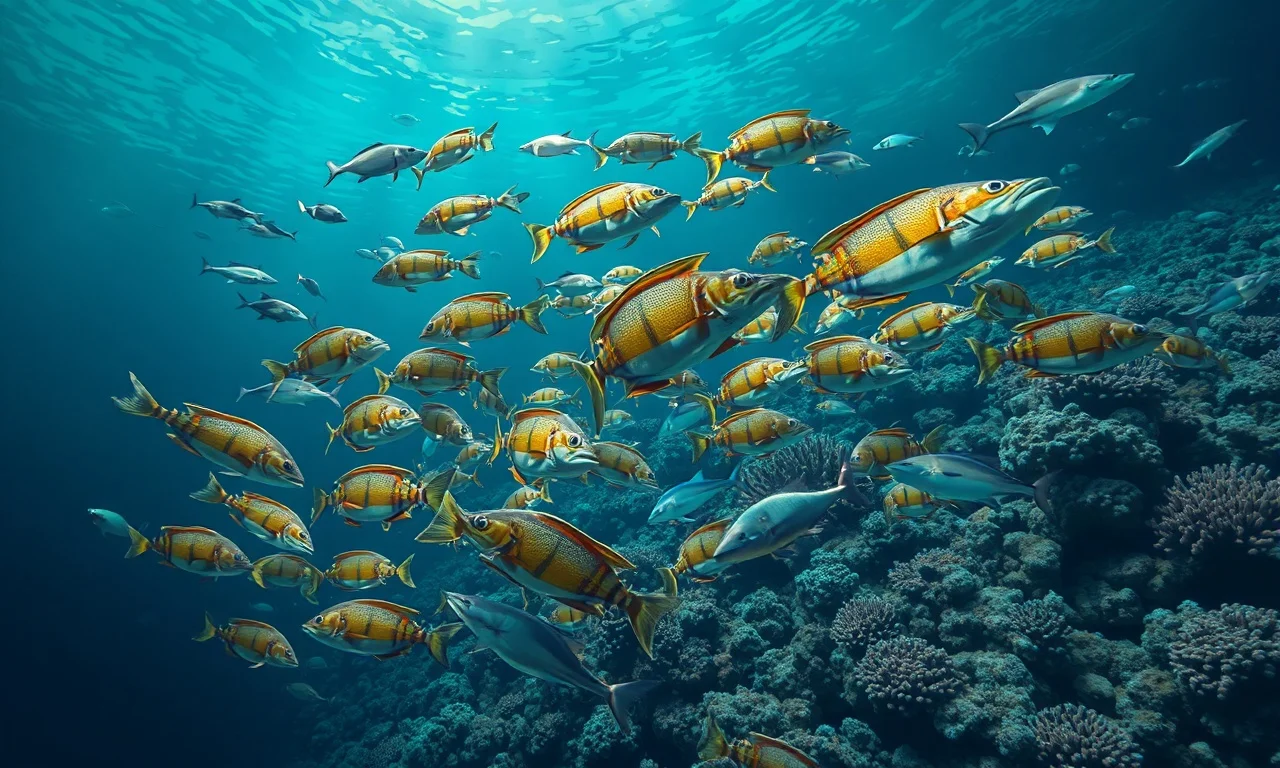
Most saltwater catches belong to a handful of families. Recognize the family from body shape, tail, mouth, and markings, and you're most of the way to a species.
| Family | Key tells |
|---|---|
| Snapper (Lutjanidae) | Streamlined, canine teeth, forked tail, red/pink/yellow |
| Grouper (Serranidae) | Heavy body, big mouth, rounded tail, mottled pattern |
| Jack (Carangidae) | Compressed body, deeply forked tail, scutes on tail base |
| Drum (Sciaenidae) | Underslung mouth, chin barbels; red drum = tail spot |
| Mackerel (Scombridae) | Torpedo body, finlets before the tail, fast pelagics |
| Flatfish (flounder) | Flat body, both eyes on one side, bottom-dwelling |
These families cover most inshore, reef, and coastal catches. The headline gamefish behind many of them — tuna, marlin, redfish — get the full treatment in our saltwater gamefish hub.
Snapper vs grouper: the #1 mix-up
These two reef staples are constantly confused. Snapper are smaller and streamlined with sharp canine teeth and forked tails; grouper are larger, heavy-bodied ambush predators with big mouths and rounded tails.
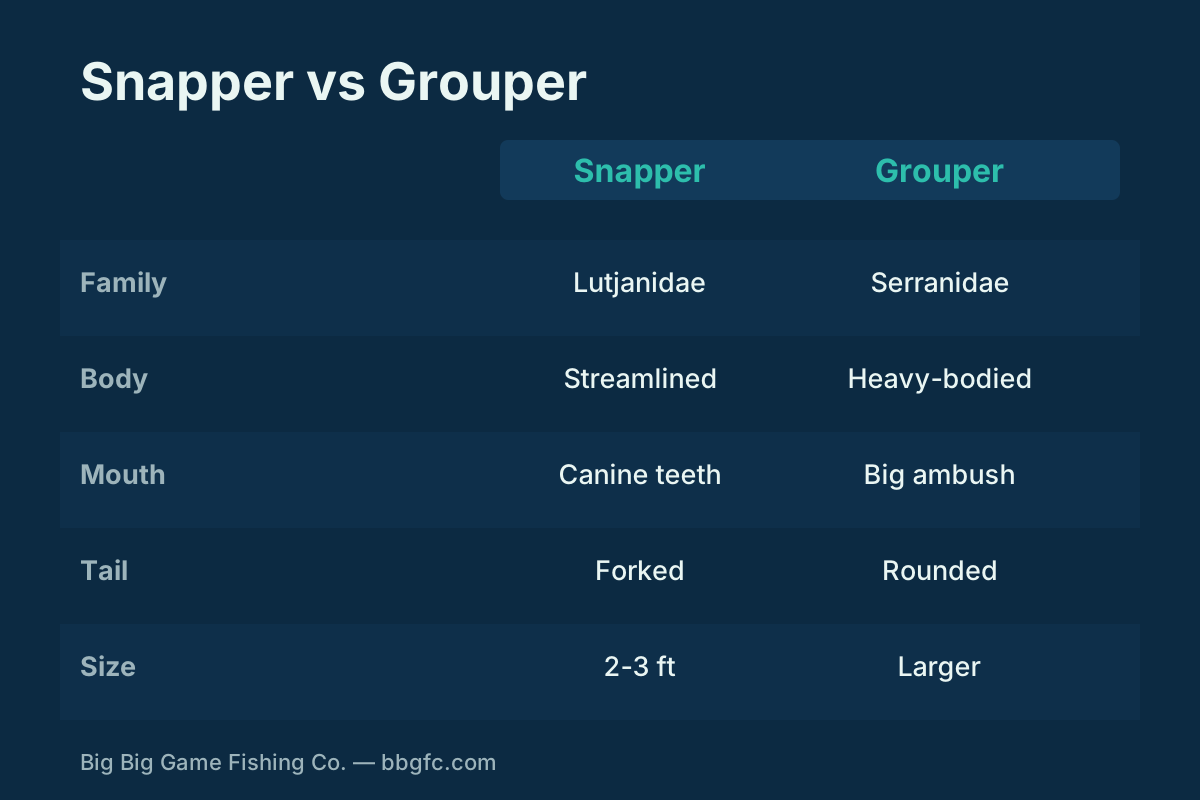
A quick rule: if it's streamlined with a forked tail and canine teeth, think snapper; if it's a heavy, big-mouthed fish with a rounded tail, think grouper. Both are reef and wreck fish targeted by bottom fishing.
Drums & jacks
Drums and jacks dominate inshore and nearshore catches, and each family has clear tells.
| Fish | How to ID it |
|---|---|
| Red drum (redfish) | Copper body, one or more black spots at the tail base |
| Black drum | Vertical bars, chin barbels, deep body |
| Spotted seatrout | Round black spots over silver flanks (a drum, not a trout) |
| Amberjack | Dark band through the eye, forked tail, scutes |
| Permit / pompano | Deep compressed body; permit deeper with longer fins |
Redfish in particular is a flagship inshore target — see its tactics in the gamefish hub and match tackle in our rods and reels guides.
Other groups you'll meet
Beyond the reef and inshore families, anglers regularly run into sharks and rays, coastal pelagics, flatfish, cold-water species, and forage baitfish.
Coastal pelagics (Spanish and king mackerel) show torpedo bodies and finlets; flounder are unmistakable flatfish with both eyes on one side; and forage baitfish (menhaden, mullet, sardines) are what most gamefish are actually eating.
Why correct ID matters
Getting the species right isn't academic — size and bag limits are set per species, so a misidentified fish can mean an accidental violation.
Correct ID protects both you and the fishery. When in doubt, photograph the fish and confirm against a current regional guide and the rules in our licenses & regulations hub before keeping it.
Identify by family
Explore our saltwater species guides
Family-by-family ID guides go live as we publish them.
Methodology
Family characteristics and ID tells are compiled from established references (Take Me Fishing, FishingBooker, American Oceans, Britannica) and state resources (SC DNR), cross-checked for agreement. Species counts reflect regional guide coverage and vary by area. Always confirm exact species and current size/bag limits with local authorities. Maintained as an evergreen reference.
Frequently asked questions
How do I identify a saltwater fish?
What is the difference between snapper and grouper?
How do you tell drum species apart?
How do you identify a jack?
What are the main saltwater fish families to know?
How many saltwater fish species will I encounter?
Are sharks and rays fish?
Why does correct fish ID matter?
Sources
- Take Me Fishing. "Common Saltwater Fish Species." takemefishing.org. Accessed Sept 19, 2026.
- FishingBooker. "Snapper Fish Species (2026)." fishingbooker.com. Accessed Sept 19, 2026.
- American Oceans. "Grouper vs Snapper." americanoceans.org. Accessed Sept 19, 2026.
- South Carolina DNR. "Saltwater Fish Identification Guide." dnr.sc.gov. Accessed Sept 19, 2026.