 Big Big GameFishing Co.
Cooking & Eating Fish: Best-Tasting Species, Cleaning & Health (2026)
Key takeaways
- Walleye is king. The #1 best-tasting freshwater fish — mild, sweet, buttery. (Cast & Spear)
- Salt favorites. Pompano (rich, buttery) and grouper (mild, firm) lead the ocean list. (AquaMarine)
- Kill the fishy taste. Trim the dark lateral-line muscle, especially on striper and bluefish. (Cast & Spear)
- Keep it simple. Seasoned flour, butter, hot pan, a squeeze of lemon. (Cast & Spear)
- Eat 2–3×/week. 8–12 oz of fish weekly for omega-3s and vitamin D. (FDA/AHA)
- Mind mercury. Favor salmon, cod, trout; avoid shark, swordfish, king mackerel. (FDA/EPA)
The best-tasting fish to eat
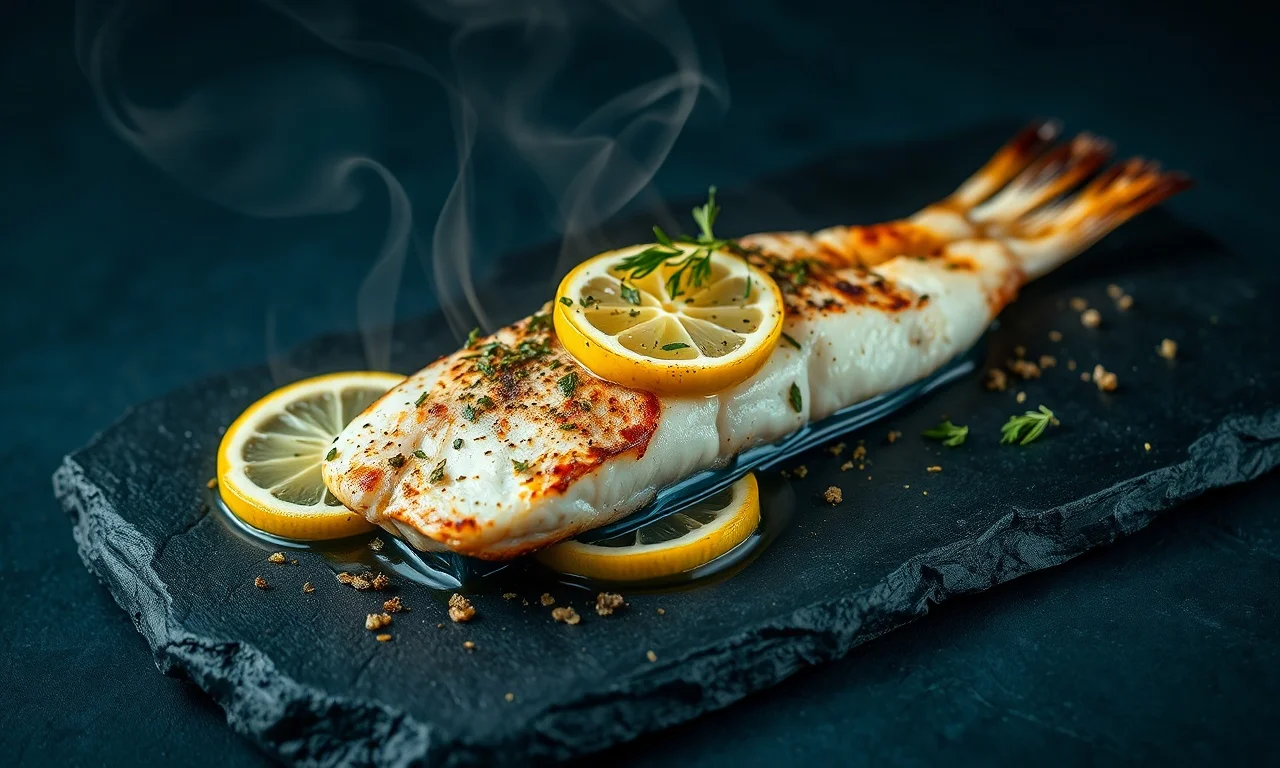
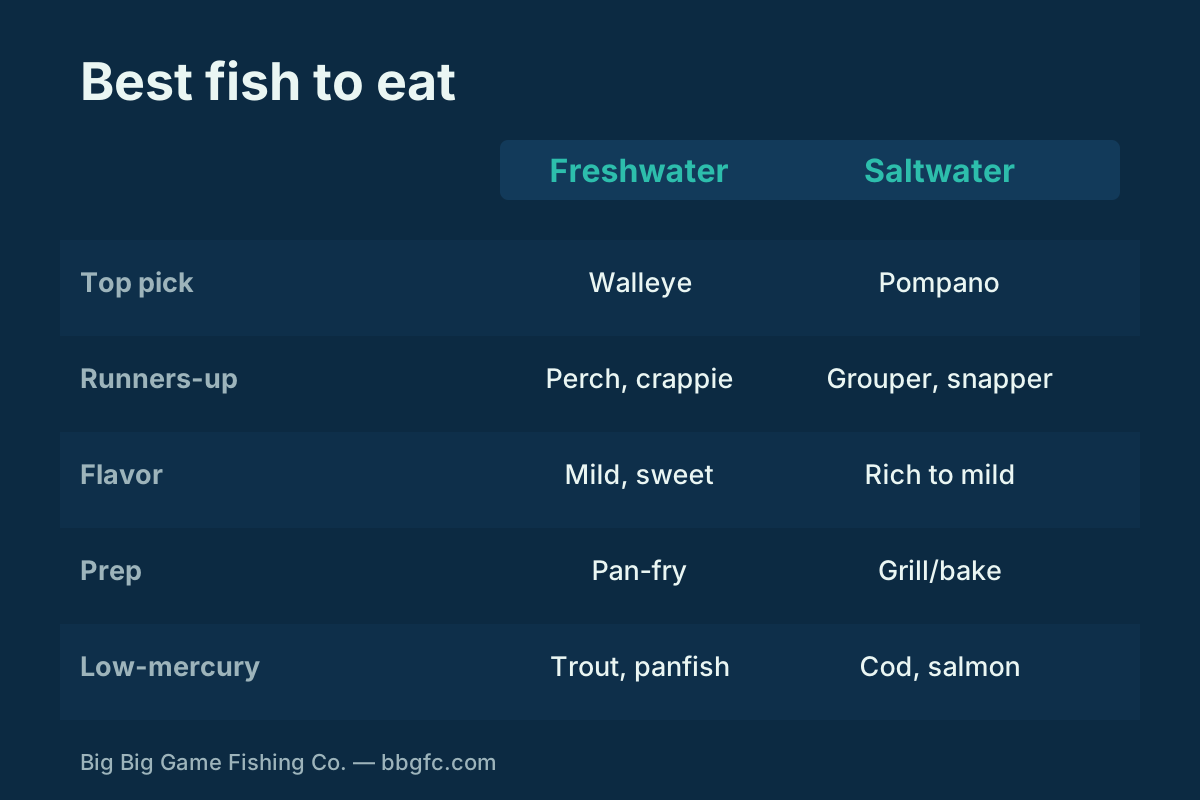
Walleye tops nearly every freshwater list; pompano and grouper lead the saltwater rankings. Cold, clean water and fresh handling matter as much as the species.
| Fish | Water | Flavor |
|---|---|---|
| Walleye | Freshwater | Mild, sweet, buttery — the gold standard |
| Yellow Perch | Freshwater | Sweet, delicate, walleye-like |
| Crappie / Bluegill | Freshwater | Light, flaky, not fishy |
| Pompano | Saltwater | Rich, buttery, silky — a delicacy |
| Grouper | Saltwater | Mild, firm, flaky |
| Snapper | Saltwater | Clean, slightly sweet, versatile |
Match your keeper to the size and bag limits for your water — and ID it correctly using our species hubs before it hits the cooler.
Cleaning & filleting
Good eating starts on the water: bleed and ice your catch, then fillet cleanly and trim the strong-flavored dark meat.
| Step | How |
|---|---|
| Bleed & ice | Keeps flesh firm and flavor clean |
| Fillet | Cut behind the gills, run along the backbone, remove ribs |
| Y-bones (walleye) | A quick V-cut removes them cleanly |
| Trim dark meat | Cut the lateral-line muscle for a milder fillet |
That dark, reddish strip along the midline holds the strongest "fishy" flavor — removing it on striped bass, bluefish, and mackerel makes a dramatic difference in taste.
How to cook fish
Fresh fish needs little. The classic pan-fry works for almost any fillet, and simple methods beat fussy ones.
Grill or bake firmer fish like grouper and snapper; reserve delicate panfish for the pan or a light fry. Don't overcook — fish is done when it flakes and turns opaque, usually at 145°F internal.
Health benefits & mercury
Fish is one of the healthiest proteins you can eat — but choose lower-mercury species, especially for sensitive groups.
| Low-mercury (favor) | High-mercury (limit) |
|---|---|
| Salmon, cod, trout | Shark |
| Sardines, herring | Swordfish |
| Pollock, panfish | King mackerel, tilefish |
Pregnant and breastfeeding women and young children should avoid the high-mercury fish and stick to the low-mercury list. Always check your state's local fish-consumption advisories too.
Eating fish by the numbers
The guidance is simple and consistent across health authorities.
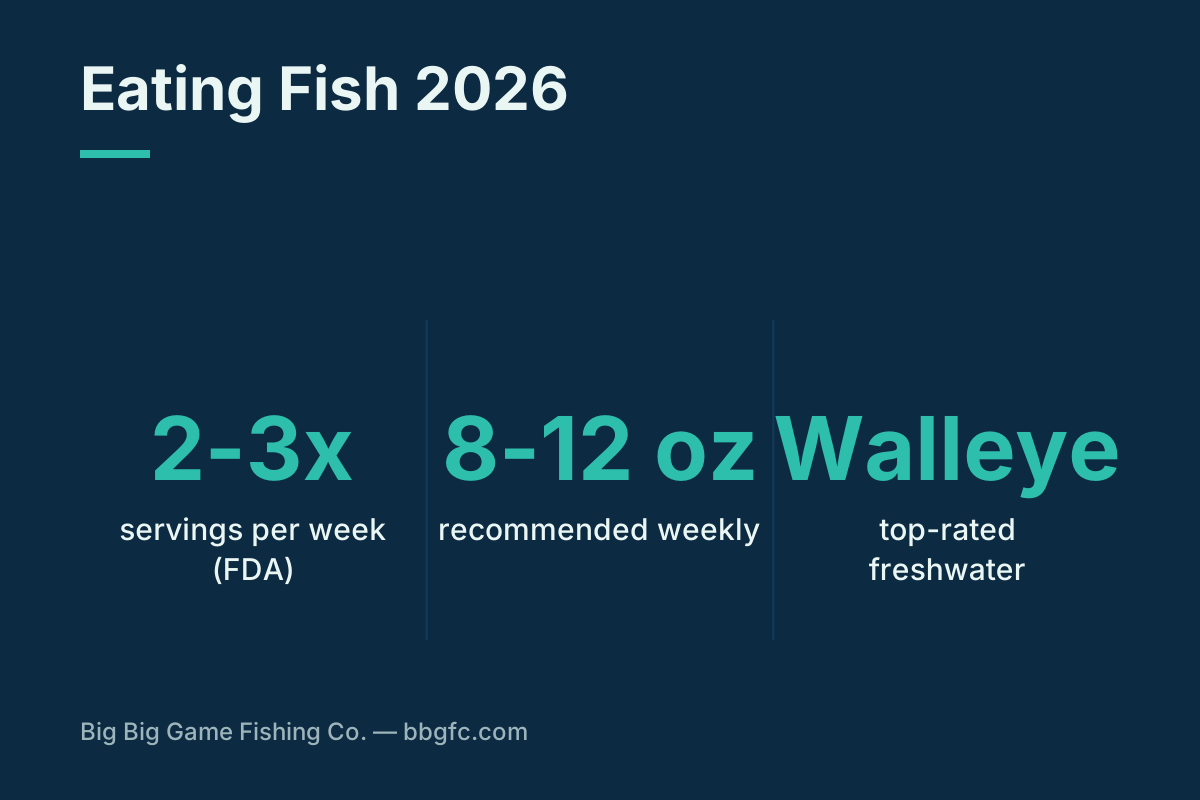
Aim for 2–3 servings — about 8–12 ounces — of a variety of fish each week. Walleye tops the freshwater taste rankings, and your own fresh, well-handled catch beats almost anything from a counter.
Find fish to eat
Explore our cooking & eating guides
Recipes and how-tos go live as we publish them.
Methodology
Taste rankings, cleaning, and cooking guidance are compiled from established angling and cooking references (Cast & Spear, AquaMarine Power, Hook and Skillet) and cross-checked for agreement. Health and mercury guidance comes from the FDA/EPA and American Heart Association. Always follow local consumption advisories. Maintained as an evergreen reference.
Frequently asked questions
What is the best-tasting freshwater fish?
What is the best-tasting saltwater fish?
How do I make fish taste less 'fishy'?
What is the easiest way to cook fish?
How often should I eat fish?
Is it safe to eat the fish I catch?
Which fish are low in mercury?
How do I clean and fillet a fish?
Sources
- Cast & Spear. "9 Best Tasting Freshwater Fish." castandspear.com. Accessed Sept 20, 2026.
- AquaMarine Power. "Best Tasting Saltwater Fish (2026)." aquamarinepower.com. Accessed Sept 20, 2026.
- American Heart Association. "Fish and Omega-3 Fatty Acids." heart.org. Accessed Sept 20, 2026.
- FDA. "Advice About Eating Fish." fda.gov. Accessed Sept 20, 2026.