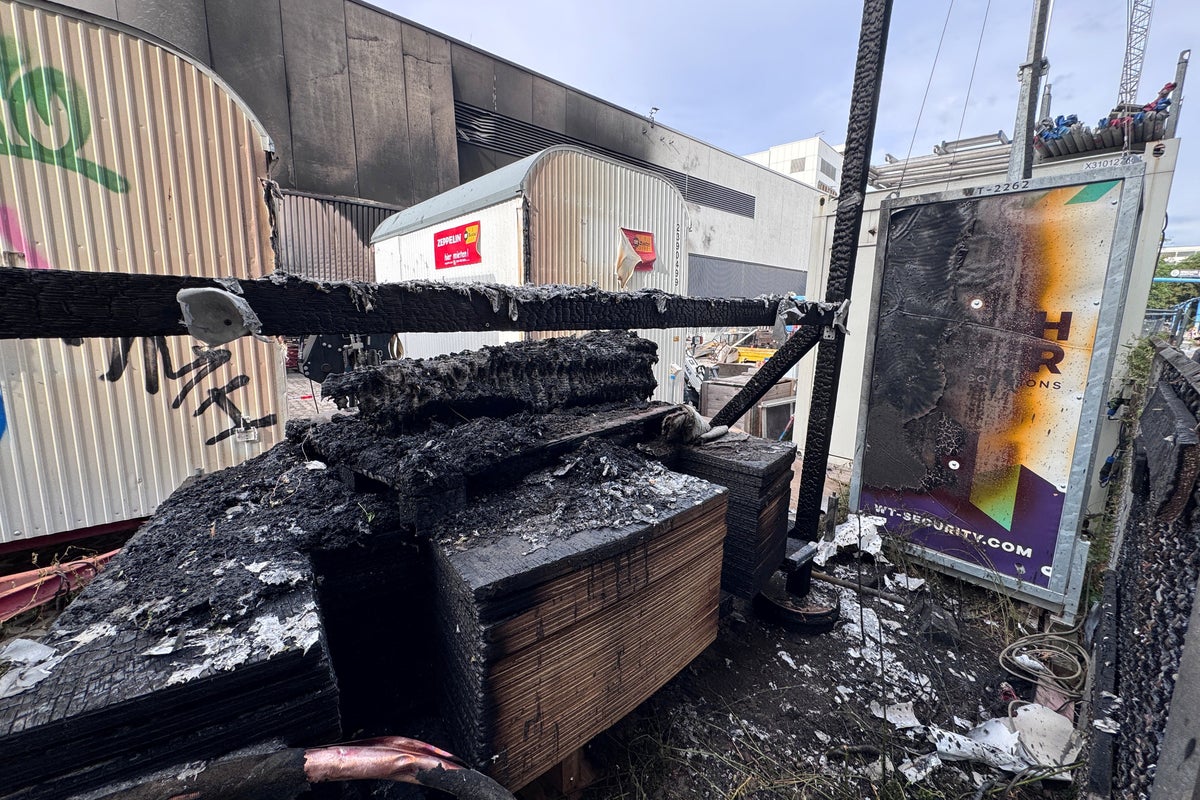
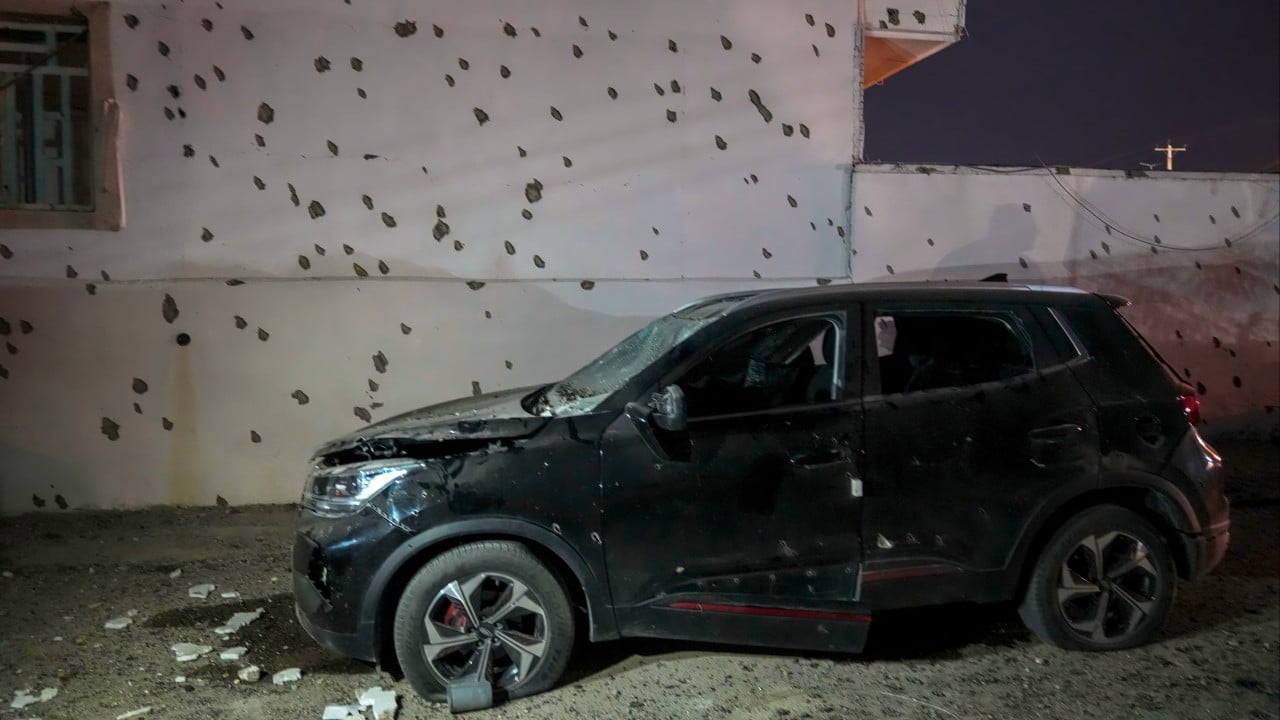
Peace negotiations sound great in press releases. On the ground in Kyiv and Moscow, reality looks a lot different.
When U.S. special envoy Steve Witkoff and Jared Kushner wrapped up their high-stakes shuttle diplomacy in September 2026, Washington officials talked up "meaningful discussions." But anyone looking for an immediate end to the 4.5-year conflict walked away disappointed. The temporary pause on capital city strikes lasted precisely as long as the flights out of airspace, and reality quickly set back in with deadly airstrikes.
If you want to understand why Washington's latest diplomatic push keeps stalling, you have to look past the optimistic soundbites and examine the massive, unyielding gaps between what Russia demands and what Ukraine will accept.
What Actually Happened Behind Closed Doors
The itinerary itself was striking. Witkoff and Kushner spent over three hours locked in talks with Vladimir Putin in Moscow before flying straight to Kyiv to meet with Volodymyr Zelenskyy and national security advisers from the UK, Germany, and France.
Donald Trump insisted his team was carrying an "idea for peace." Yet, Kremlin aide Yuri Ushakov and Ukrainian officials painted a picture of two sides miles apart. Moscow spent considerable time pushing economic grievances and laying out maximalist territorial demands. Meanwhile, Ukrainian leadership made it clear that giving up sovereign territory remains a total non-starter.
Senior insiders whispered that a large chunk of the actual agenda wasn't even about drawing borders. It was about surviving the impending winter months.
The Core Stumbling Blocks Everyone Ignores
People always ask why these peace missions fail to secure a quick signature. The answer comes down to fundamental disagreements that a couple of days of mediation can't magically erase.
- Territorial Integrity: Ukraine refuses to cede its sovereign land to end the fighting. Russia insists on locking in control of occupied regions. There's no middle ground there yet.
- Economic Incentives vs. Security: The U.S. side has repeatedly tried to pivot the conversation toward postwar economic development and joint business projects. Kyiv wants actual security guarantees that stop the next invasion before talking about commercial investments.
- Distrust at Every Level: After years of broken ceasefires and relentless bombardment, neither side trusts the other's promises. A temporary pause on capital strikes is a courtesy gesture, not a treaty.
What Comes Next for the Diplomatic Push
Don't expect a sudden peace treaty just because high-profile American envoys are logging frequent flyer miles. The most tangible, immediate result of this diplomatic round is an agreement to resume trilateral talks involving Russia, Ukraine, and the United States.
Past trilateral formats didn't magically rewrite geopolitical maps overnight, but they did keep communication lines open and occasionally delivered on smaller humanitarian issues like prisoner exchanges.
Right now, both Moscow and Kyiv are playing a complex game of optics. They want to show Washington they are willing to talk to stay in Trump's good graces, while quietly preparing for a brutal winter campaign of energy grid targeting and frontline attrition.
Watch the actual ground movements, not the press briefings out of Washington. The real indicator of progress won't be a polished statement from a mediator. It will be when one side actually budges on territorial concessions—and right now, neither is blinking.