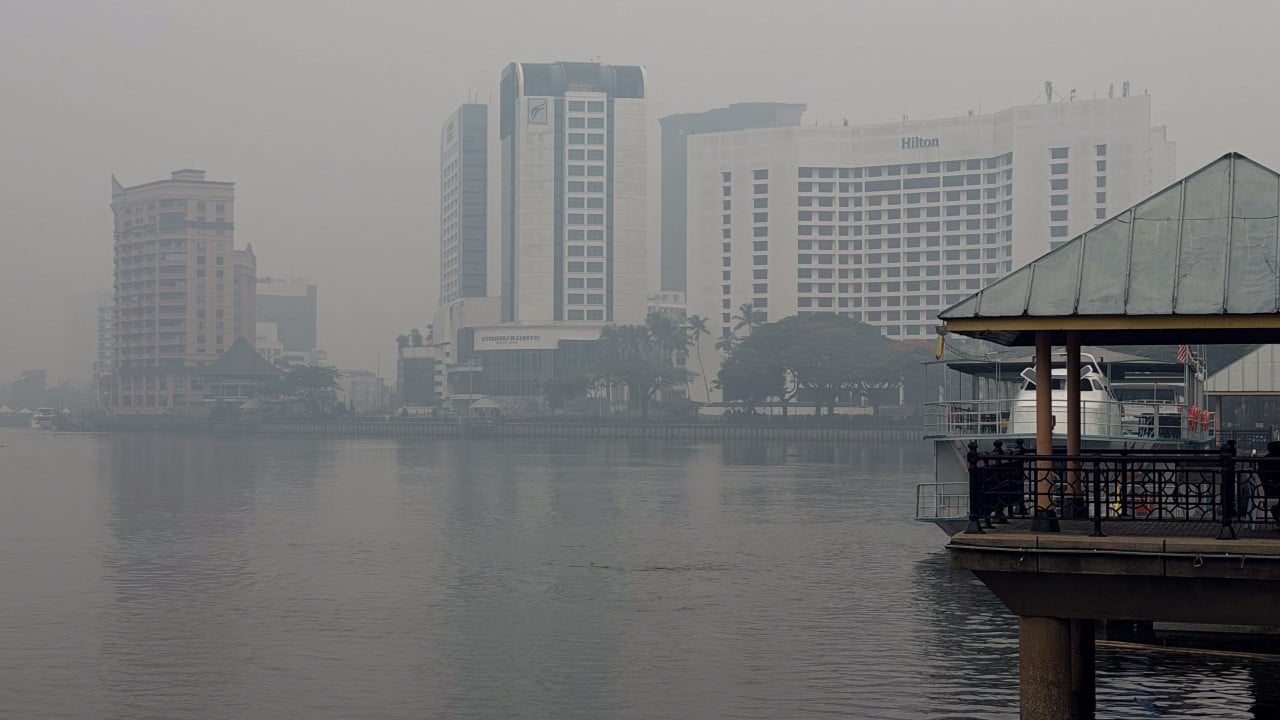
When the air quality index in Serian breached an alarming 519, Malaysia didn't hesitate to declare a state of emergency. That number is way past the hazardous threshold of 300, plunging parts of Borneo into a choking shroud of smoke driven straight from neighboring Indonesian wildfires. But just as quickly as the emergency status came down with the royal consent of King Sultan Ibrahim following advice from Prime Minister Anwar Ibrahim and Sarawak Premier Abang Johari Openg, officials are rushing to clarify one crucial reality: the crisis is far from over.
If you think a lifted emergency means you can throw away your N95 masks and resume outdoor jogging without a care, you're making a massive mistake. Let's look at what actually changed on the ground, why the risk persists, and what you need to know if you're living or traveling through Malaysian Borneo right now.
The Numbers Behind the Serian Emergency Lift
Air pollution index readings in Serian dropped from their horrifying peak of 519 down to 222 after rainfall brought temporary relief to the district. Because those numbers finally slipped back below the critical 500 threshold required to sustain emergency powers, the federal and state governments felt comfortable revoking the strict mandates.
Dropping below 500 sounds like a massive win. Honestly, it's just a shift from apocalyptic to very unhealthy. An API reading of 222 is still well into the red zone of danger. Breathing air at that density day in and day out will wreck your respiratory system. It causes severe irritation to your eyes, nose, and throat, while aggravating underlying conditions like asthma and chronic bronchitis.
The Prime Minister's Office made it clear that while administrative emergency protocols were terminated, districts like Serian and Samarahan remain blanketed in lingering smoke.
Why Transboundary Haze Keeps Returning to Borneo
This isn't a freak accident or a one-off weather anomaly. Every dry season, land and forest fires blazing across Indonesia's Kalimantan region send dense plumes drifting across national borders. Wind currents act as invisible conveyor belts, dropping massive walls of toxic particle pollution directly onto Sarawak.
The recurring nature of this transboundary haze exposes an ongoing regional challenge. Neighboring nations share an ecosystem, but managing land clearing, slash-and-burn agriculture, and peatland preservation requires cross-border cooperation that often moves too slowly when fires are already burning out of control. Cloud-seeding operations and diplomatic talks help, but they remain reactive measures against a predictable annual threat.
Practical Steps to Protect Yourself Right Now
If you're wondering how to handle the lingering pollution risks while local authorities monitor the atmosphere, keep these survival rules in mind:
- Check the API daily: Don't rely on how the sky looks outside your window. Early morning fog can easily be mistaken for harmless mist when it's actually trapped particulate matter. Check official environmental monitoring apps before stepping outdoors.
- Keep proper masks handy: Simple cloth masks won't block fine particulate matter (PM2.5). Keep certified N95 or KN95 respirators ready if you have to commute or work outside.
- Seal indoor spaces: Keep windows and doors tightly shut during peak pollution hours. Run air purifiers equipped with HEPA filters inside your home or office to maintain a clean breathing environment.
- Limit strenuous physical activity: When air quality sits at very unhealthy levels, heavy exercise forces you to inhale deeper and faster, pulling toxic pollutants straight into your lung tissue. Save the outdoor workouts for when clean air returns.
The emergency decree in Sarawak might be history, but the smoke still lingers in the air. Stay alert and protect your lungs.