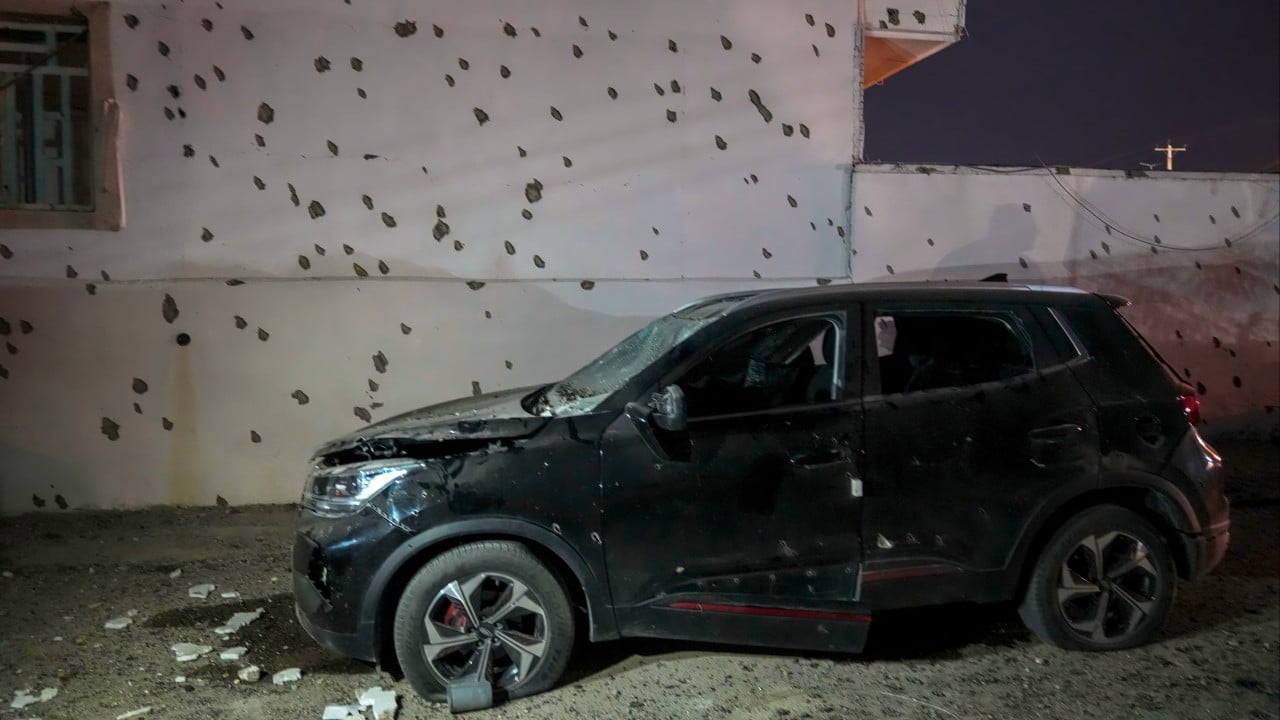
War doesn't start with a formal announcement on television. It starts with a flash, a deafening roar, and the sound of your world falling apart in seconds. When the first wave of strikes hit Iran, civilians in towns like Lamerd didn't get an evacuation warning. They got tungsten fragments shredding through roofs, homes, and human bodies.
If you're trying to make sense of what actually happened on that brutal opening day, official military briefings won't give you the full picture. You have to look at the ground level, where families are still picking up the pieces and wondering how a quiet afternoon turned into a massacre.
The Reality of the Opening Strikes
When missiles tore through southern Iranian cities, the immediate aftermath wasn't just about destroyed infrastructure. It was about ordinary people caught completely off guard. Open-source visual investigations and local accounts point to high-precision munitions dispersing deadly shrapnel over civilian areas.
Thirteen-year-old Mohammad Reza Barfar was playing football—focused entirely on a free kick—when the sky tore open. Seconds later, the normalcy of his childhood vanished. That’s the brutal reality of modern aerospace warfare. Precision-guided does not mean zero civilian collateral. When advanced weapons hit populated areas, the human toll is immediate and catastrophic.
Why the Official Narratives Fall Short
Governments love clean language. They talk about "targeted defense assets," "neutralizing capabilities," and "calibrated responses." But ask anyone living through the conflict, and those words sound like a bad joke.
- The Denial Gap: Military commands often issue blanket denials or classify operations, leaving families with zero official accountability for lost loved ones.
- The Munitions Trail: Forensic groups and open-source intelligence analysts track strike patterns to match specific military hardware, often contradicting official statements from Washington or regional commands.
- The Human Cost: While strategists debate geostrategies in air-conditioned rooms, civilians bury children and search rubble for missing relatives.
What Most People Get Wrong About the Escalation
People assume modern conflicts are surgical operations executed with video-game precision. They aren't. They are messy, violent, and devastatingly destructive to civilian populations who have zero say in geopolitical posturing.
When strikes hit civilian centers—turning celebrations like weddings or everyday routines into disaster zones—the ripple effects tear through society for generations. You can't sanitize the carnage with a press release.
If you want to understand where this conflict is heading, stop listening exclusively to defense analysts. Listen to the survivors who lived through the first day of hell and refuse to let their stories be buried by political spin.