Donald Trump stepped up to the White House podium last night promising a massive, game-changing revelation on election integrity. He teased the address for days, hyping up newly declassified intelligence that would supposedly expose how foreign powers and broken voting machines compromised the American electoral process.
What we actually got was a 25-minute rehashing of familiar grievances, old conspiracy theories, and a hard push for new voting restrictions ahead of the midterms. For an alternative perspective, check out: this related article.
If you tuned in expecting definitive proof that an election was stolen, you probably walked away disappointed. The highly anticipated documents dropped by the administration didn't show manipulated votes or altered outcomes. Instead, they revealed a collection of known vulnerabilities, public voter data acquisition, and warnings that election experts say have already been thoroughly investigated and addressed.
The China Data Drama and What It Actually Means
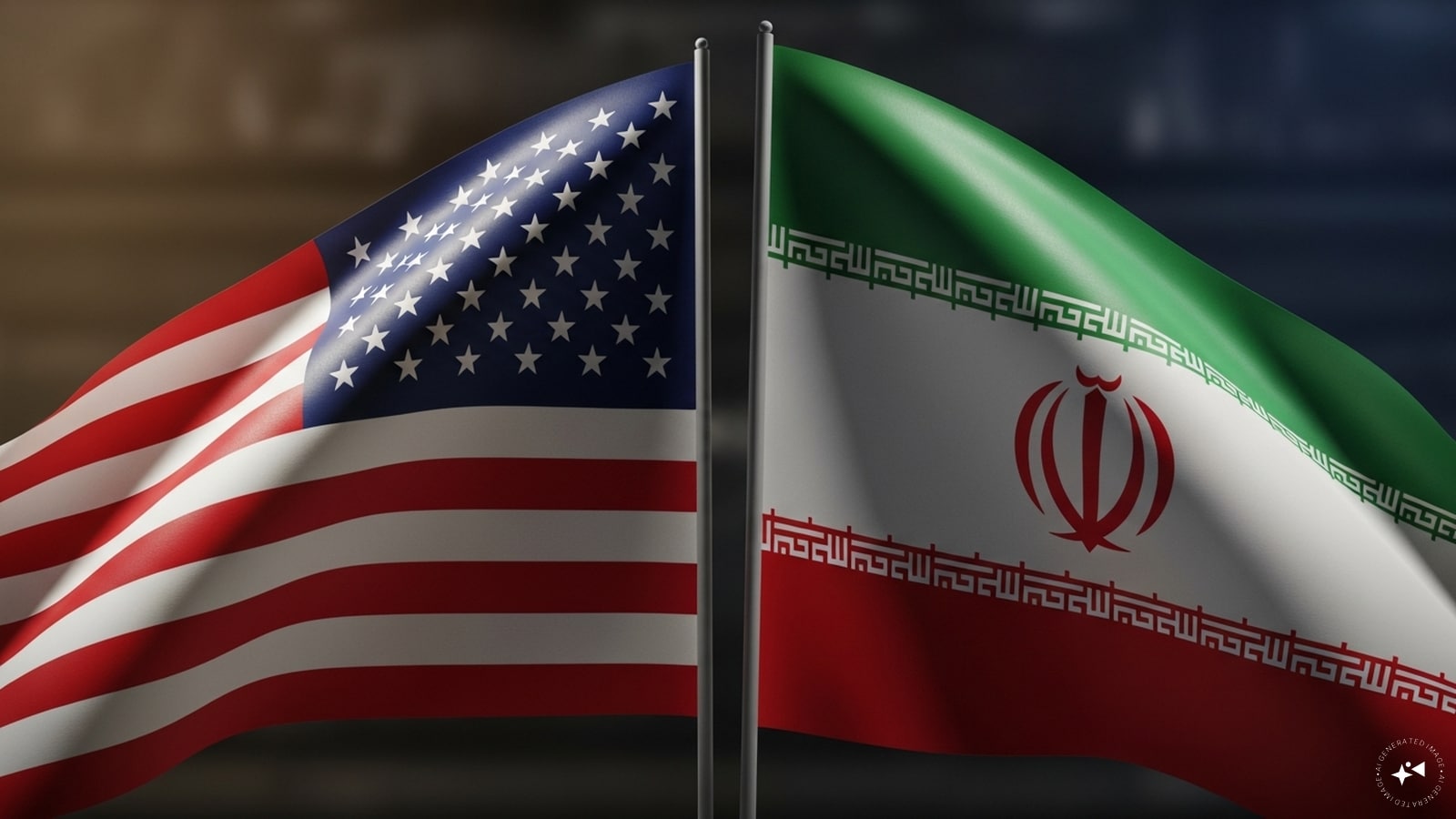
The core of Trump's speech focused heavily on the People's Republic of China. He announced that his administration is actively notifying governors and senators that China allegedly accessed sensitive voter data. It sounds terrifying on the surface. But when you look at the mechanics of how American elections work, the panic starts to fizzle out. Similar coverage on this trend has been shared by The Guardian.
Most voter registration data is already public record. Political campaigns, marketing firms, and anyone with a few hundred dollars can legally buy these lists from state governments. The fact that a foreign entity managed to scrape or acquire this information isn't a breach of the actual voting infrastructure.
David Becker, the executive director of the Center for Election Innovation & Research, pointed out that using commercial data to hunt for fraud creates a massive wave of false positives. It includes perfectly eligible voters who might just have a mismatched address or a typo in their file.
More importantly, U.S. intelligence agencies have consistently stated that while foreign adversaries like China and Russia frequently attempt to influence voter perception through propaganda, no foreign power has ever successfully altered a single physical vote or ballot count.
The Voting Machine Reality Check
Trump also leveled heavy criticism at voting machines and ballot-counting systems, claiming they are dangerously exposed to hacking and exploitation. He went so far as to call the current setup catastrophically short of standard safety measures.
The problem with this claim is that it completely ignores how decentralized the American voting system is.
We don't have one single, national election system that a hacker can infiltrate. Americans cast their ballots across more than 10,000 independent jurisdictions, each running its own hardware, software, and localized security protocols.
- No internet connection: Voting machines and tabulators are not connected to the internet. You can't hack them from a remote server in Beijing or Moscow.
- Paper trails: The vast majority of Americans now vote using paper ballots or machines that generate a verifiable paper audit trail. If a machine glitches or behaves suspiciously, officials can simply count the physical paper.
- Rigorous testing: Before any machine is deployed, it undergoes strict bipartisan logic and accuracy testing to ensure it counts votes exactly as intended.
The Cybersecurity and Infrastructure Security Agency, alongside officials from both major political parties, confirmed that the previous cycles showed zero evidence of malicious activity affecting the integrity of the vote counts.
The Push for the SAVE America Act
So, what was the real point of the prime time address if there wasn't any new evidence? The answer lies in federal policy. Trump used the massive television audience to demand that Congress immediately pass the SAVE America Act.
This specific piece of legislation would implement strict federal mandates, including requiring voters to provide in-person proof of U.S. citizenship, like a birth certificate or passport, just to register to vote in federal elections. It would also mandate a photo ID at the polling place.
Critics and election administrators argue the bill is a solution in search of a problem. Under current law, it's already illegal for noncitizens to vote in federal elections, and violators face severe penalties, including deportation. Opponents warn that requiring physical passports or birth certificates would disenfranchise millions of eligible, low-income American citizens who don't easily have access to those documents.
Moving Past the Rhetoric
The White House created a dedicated website to host the newly declassified files, but the documents lack critical context. They mostly consist of years-old intelligence analysis, correspondence, and investigative fragments that don't point to any widespread voter fraud or machine manipulation.
If you want to understand the actual health of our election system, look to your local officials rather than sweeping national speeches.
Get involved in the process yourself. You can sign up to be a local poll worker for the upcoming midterms, attend public logic and accuracy tests hosted by your county election office, or simply check your own voter registration status early to ensure your information is entirely up to date. The system is decentralized, run by your neighbors, and far more secure than the prime time rhetoric suggests.