A routine morning call turns into a firefight in seconds. That is the raw, terrifying reality of modern policing that hit Columbia, South Carolina, on a Saturday morning. Most people think danger only lurks in high-stakes drug busts or high-speed pursuits. They are wrong. The deadliest moments often arrive disguised as domestic dispute complaints in quiet neighborhood parks.
When a woman called emergency dispatch at 9:30 AM to report a restraining order violation, nobody knew how fast the situation would spiral. Officers Christopher DeLong and David Dymock walked into a nightmare that day. Let's look at what actually happened, why routine responses demand an entire mindset shift, and what this tragedy tells us about the invisible weight carried by local departments.
The Anatomy of a South Carolina Park Shootout
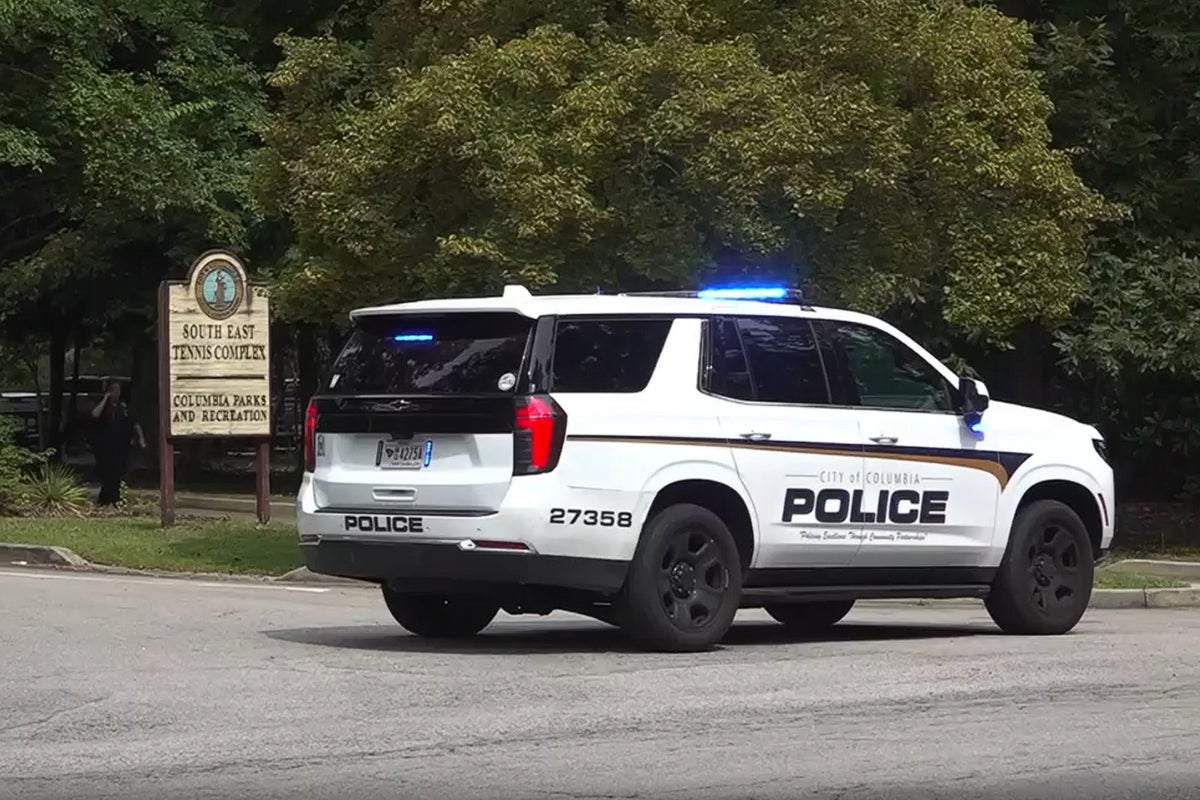
The timeline of the incident in Columbia reveals just how quickly things deteriorate. Officer Christopher DeLong responded to a home where a 33-year-old man had allegedly been destroying property. The suspect had already fled before DeLong arrived. The homeowner provided a clear description of the vehicle and the individual.
DeLong left the residence. Within an hour, he spotted a vehicle and a person matching that exact description near a local park. He initiated a contact. Backup arrived quickly in the form of Officer David Dymock.
Then came the radio transmission every police family dreads. Dymock called in that officers were hit.
The suspect, identified later as Adam Tyler Dowdy, possessed a long criminal history spanning multiple states. He had cycled through various charges over the years, including drug possession, probation violations, and contempt of court. In a matter of minutes at that park, a routine investigation transformed into a fatal exchange of gunfire. Both DeLong and Dowdy died. Dymock sustained injuries that required emergency medical intervention and hospital care.
Moving Beyond the Clichés of Routine Policing
We hear endless commentary about police training, safety protocols, and community response units. But civilian analysts miss the fundamental truth of day-to-day law enforcement. There is no such thing as a routine call.
When an officer responds to a domestic dispute or a property violation, they are stepping into an unpredictable emotional storm. They carry no crystal ball. They do not know if the person standing twenty feet away has a cross-state rap sheet, an active warrant, or a total disregard for human life.
- The Variable Factor: A simple description match in a public park can conceal an armed suspect prepared to fire rather than return to jail.
- The Backup Delay: Even with rapid response times, seconds stretch into eternity when shots ring out in an open outdoor space.
- The Human Cost: Beyond the headlines lie young families facing sudden, permanent devastation. DeLong left behind a wife and two young children.
Police Chief W.H. "Skip" Holbrook addressed reporters with visible grief, noting that the department must lean on one another during an unimaginable crisis. But grief does not fix the underlying structural dangers officers face every single shift.
What the Public Misunderstands About Domestic and Restraining Order Calls
People often wonder why an officer doesn't simply wait for a massive tactical team for a property destruction complaint. The answer is simple logistics and public expectation. If police waited for SWAT units for every restraining order violation or property disturbance, response times would stretch into hours. Victims would remain unprotected.
Officers like DeLong accept that everyday risk. They step into the gap alone or with a single partner. They trust a vehicle description, approach a suspicious person on foot, and gamble their lives on a split-second assessment.
When that gamble goes wrong, communities express shock. They ask how a man with multi-state arrests managed to slip through the cracks of the justice system only to confront an officer in a public park. That question points directly toward systemic failures in inter-state criminal tracking and probation enforcement.
Dealing with the Aftermath and Moving Forward
The South Carolina Law Enforcement Division took over the active investigation immediately following the shooting. Autopsy reports, ballistics tests, and body camera footage will eventually piece together every microsecond of the firefight. Yet no report will bring back a 29-year-old officer who had only spent two years on the force.
If you want to understand the true cost of public safety, look past the political debates and look at the hospital processions. Watch the local departments rally around survivors like Officer Dymock, who fought his way to stable condition while mourning a fallen colleague.
Support your local law enforcement agencies by demanding better interstate communication for habitual offenders, clearer tracking of active protection orders, and realistic public safety funding that prioritizes mental health crisis response alongside tactical preparedness. Do not wait for the next tragedy in a local park to start paying attention to the hazards officers face before lunch every single day.