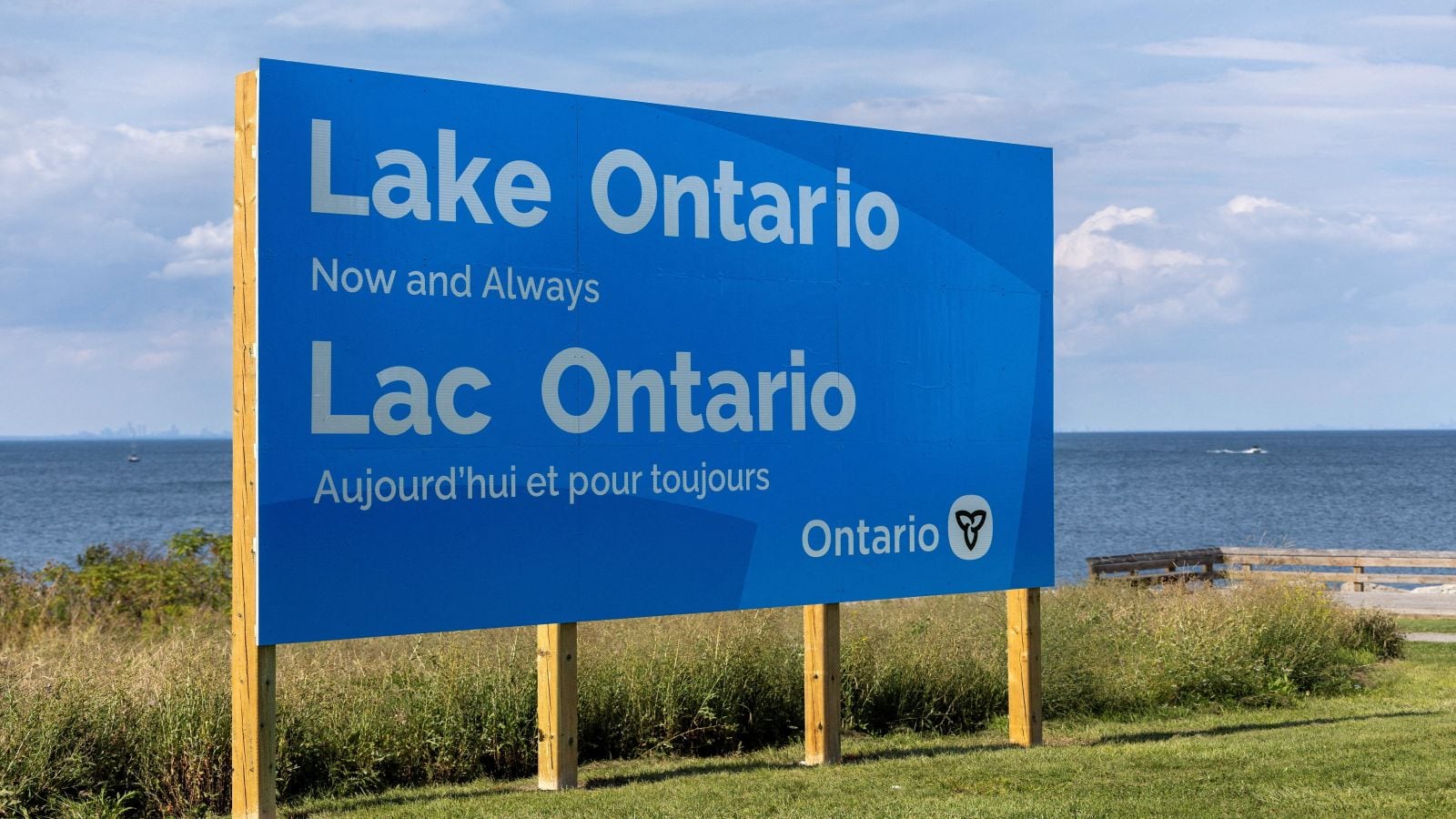
If you think signing an executive order changes how geography works, you're mistaken. U.S. President Donald Trump recently decided that Lake Ontario should be called "Lake America." Canada didn't blink. Prime Minister Mark Carney and Ontario Premier Doug Ford made it crystal clear that the shared body of water will remain Lake Ontario, no matter what Washington paper-pushers stamp on a map.
This isn't just about a name change. It's a symptom of escalating trade tensions, broken negotiations, and petty political posturing. But how are everyday people reacting to this unilateral stunt? And why does history make the whole thing look even more ridiculous?
Why the Renaming Order Falls Flat
Executive orders don't carry magic powers across international borders. Trump's decree holds water exclusively inside the United States. In Canada, it's treated as background noise or a punchline.
Think about the absurdity. You share a massive, binational lake with a sovereign neighbor, and you simply declare a new title because trade talks stalled out over tariffs. That's not diplomacy. That's a toddler throwing a tantrum with a cartography pen.
Even inside the U.S., the stunt crashed hard. An Ipsos/Reuters poll showed that a paltry 14 percent of surveyed Americans supported the renaming move. When 86 percent of your own country thinks an executive order is pointless, you've missed the mark.
History Laughs at the Decree
Let's look at the actual roots of the name. Lake Ontario was explicitly recognized by its traditional name in the 1794 Canandaigua Treaty. That historic agreement was signed by the first U.S. president, George Washington, alongside the Six Nations following the American Revolution.
Retired law professor Ben Davis put it best when he called Trump's order entirely beneath the dignity of the American presidency. If a 230-year-old name was good enough for George Washington, it's certainly good enough for modern political theater. Ignoring centuries of diplomacy for a quick news cycle is a bad look.
What Americans Living in Canada Are Saying
If you want an honest assessment of this executive order, ask the million-plus Americans living north of the border. Many of them escaped U.S. political fatigue and view stunts like this as profoundly embarrassing.
Chris Palermo, a transplant from Long Island living in Hamilton with his Canadian wife, dismissed the move as a knee-jerk reaction after failed negotiations. He noted that support for outlandish political stunts is burning out fast, especially as everyday citizens grapple with high living costs and tense trade disputes.
Others took it even further. Chris Kubinski, a London, Ontario resident who moved from the U.S. as a child, finally decided to renounce his U.S. citizenship entirely following recent annexation rhetoric and political hostility. Hearing threats about Canada becoming the 51st state was the final straw. Watching the lake renaming happen afterward felt par for the course—bizarre, childish, and entirely expected from an administration obsessed with personal branding.
Moving Past Political Stunts
Geographical names belong to history, treaties, and shared ecosystems, not to temporary political grievances. Canada isn't changing its maps, and citizens on both sides of the border are rolling their eyes at the decree.
If you're tracking cross-border relations, ignore the impulsive executive orders. Pay attention to trade realities, local communities, and actual diplomacy instead. Stunts fade away, but Lake Ontario remains right where it has always been.