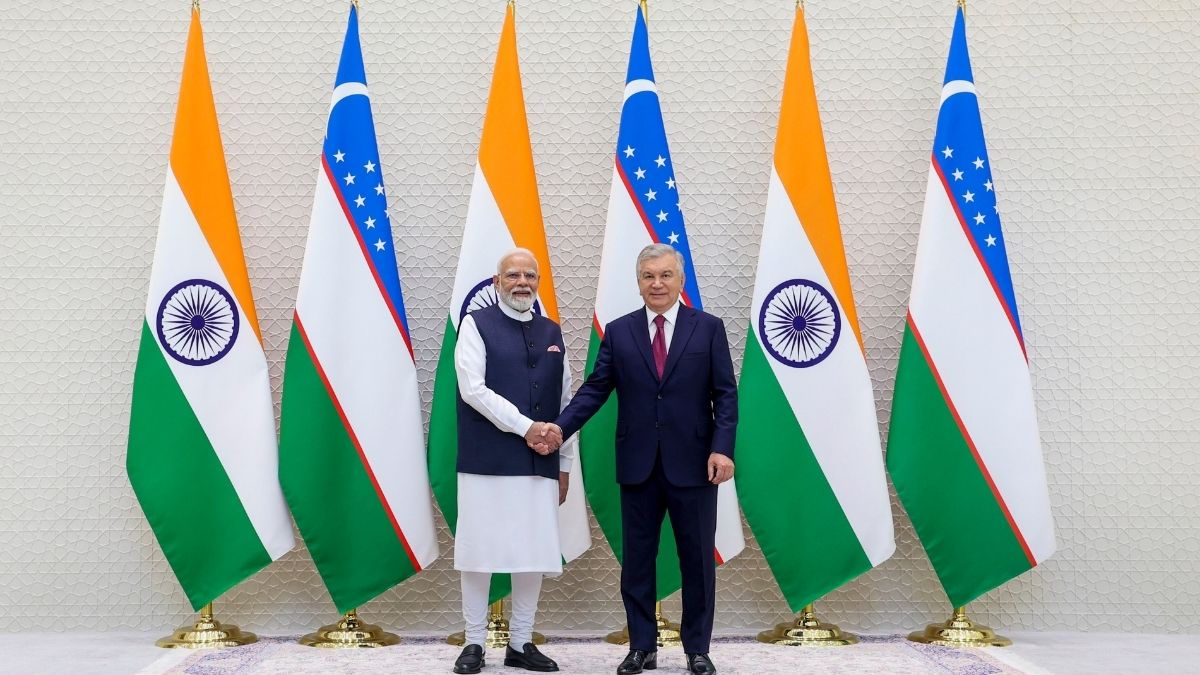
Energy security doesn't happen by accident. Prime Minister Narendra Modi's trip to Tashkent wasn't just another diplomatic photo-op; it was a calculated push to lock down India's long-term nuclear fuel supply. India and Uzbekistan elevated their ties to a Comprehensive Strategic Partnership, anchored by a long-term uranium supply agreement signed with Uzbek President Shavkat Mirziyoyev at the Kuksaroy Presidential Palace.
If you want to understand why New Delhi is aggressively securing yellowcake contracts right now, look at the math. India wants to hit a massive 100 gigawatts of nuclear capacity by 2047. That is an enormous leap from current output. To hit that target, reactors need a steady, uninterrupted diet of natural uranium ore. Relying on a single supplier or volatile spot markets is a fast track to disaster.
The Uranium Puzzle and Why Central Asia Matters
India's Pressurised Heavy Water Reactors run on natural uranium. While domestic mines exist, they don't cover the scale of New Delhi's ambitions. Enter Central Asia. Uzbekistan ranks among the top five global producers of natural uranium.
Before this deal, India already sourced uranium from countries like Kazakhstan, France, Russia, and Canada. Adding a formalized, long-term arrangement with Tashkent creates a vital redundancy. Geopolitics is messy. Supply chains break. Shipping lanes get choked. Having multiple, diversified suppliers means a regional conflict or a sudden export restriction in one country won't bring India's power grid to a halt.
Building a strategic uranium reserve is the hidden safety net here. Post-1974 international sanctions taught New Delhi hard lessons about energy isolation. Modern energy planning requires stockpiles. This agreement helps build that buffer.
Beyond Fuel: The Broader Geopolitical Board
Energy deals are rarely just about commodities. They are diplomatic pressure points. China's footprint across Central Asia through infrastructure projects and economic investments has expanded rapidly over the last decade. India needs a counterweight.
By deepening cooperation in trade, digital connectivity, defense, and energy, New Delhi is carving out a permanent seat at the table in landlocked, resource-rich Eurasia. Uzbekistan views India as a stabilizing, non-hegemonic partner. That mutual trust was underscored when President Mirziyoyev conferred the prestigious 'Oliy Darajali Do'stlik' Order upon Modi during the visit. Modi dedicated the honor to the enduring friendship between the two nations, invoking the word "Dostlik" to describe the deep cultural resonance shared by ordinary citizens in both countries.
Economic ties are expanding past heavy industry too. Officials highlighted urban development milestones, drawing parallels between Uzbekistan's ambitious New Tashkent development and India's high-tech financial hub, GIFT City in Gujarat. When economic corridors align with raw material supplies, bilateral partnerships move past mere rhetoric.
What This Means for the Future of Nuclear Power
Critics often point out that scaling nuclear energy takes decades of planning, heavy regulatory clearance, and billions in capital. That is true. But infrastructure built today dictates economic survival in 2040 and beyond.
If you're watching global energy markets, keep your eyes on how these long-term bilateral fuel contracts reshape state-backed energy trading. Spot market volatility hurts developing economies the most. Long-term locked-in pricing shields India's nuclear expansion plans from sudden price spikes.
India's nuclear ambitions are no longer just a blueprint. They have the fuel to run on.