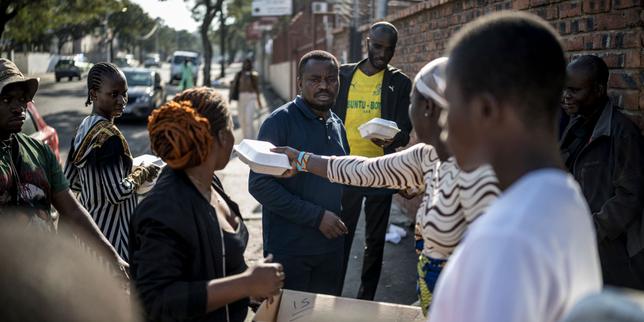
Thousands of families are packing whatever they can carry into the back of trucks and buses in Johannesburg right now. They aren't leaving because they want to. They're fleeing for their lives. An unofficial, citizen-led South Africa anti-immigrant ultimatum has set June 30 as a hard deadline for undocumented foreigners to get out. The fear of what happens when that clock strikes zero has already driven more than 25,000 people to pack up and exit the country.
This isn't a government policy. It's the result of grassroots vigilante groups taking the law into their own hands, and the fallout is devastating.
If you think this is just another minor border dispute, you're dead wrong. The security forces just confirmed that massive repatriation efforts are underway, with governments like Malawi, Zimbabwe, Mozambique, Ghana, and Nigeria scrambling to pull their people out before the violence boils over. It's a chaotic, terrifying mess that highlights a much deeper systemic failure inside South Africa.
The Reality Behind the June 30 Deadline
What exactly is driving this sudden exodus? A group known as March and March, alongside other localized anti-immigrant factions, issued an ultimatum demanding all undocumented foreign nationals leave South Africa by June 30. They threatened widespread demonstrations and direct action if their demands weren't met.
The state didn't sanction this deadline. The government explicitly hasn't validated it. Yet, the threat is real enough that thousands are sleeping rough at transport hubs, terrified of what tomorrow brings.
Vigilante groups have filled a vacuum left by weak state enforcement. For years, communities have complained about undocumented immigration, linking it to high crime rates and a lack of jobs. Instead of fixed policy changes, the response has mutated into citizen-led intimidation campaigns. In places like the Tembelihle informal settlement near Johannesburg, community meetings meant to defuse the tension have instead exposed massive fractures. Some residents plead for peace while others cheer for forced expulsions. Hours after one such meeting, a Malawian resident was stabbed nearby. Locals called it opportunistic crime, but when fear runs this high, everything is connected.
Why Blaming Immigrants Is a Cover Up for Deeper Issues
South Africa has some of the highest unemployment rates in the world. The economy is stagnant. Local infrastructure is crumbling under the weight of corruption and mismanagement. Instead of holding politicians accountable, it's always easier to point fingers at the guy running the local corner shop or the laborer working for sub-minimum wage.
The narrative that foreign nationals are the sole reason for South Africa's economic misery is a dangerous myth. It ignores the structural failures that have plagued the country for decades. When citizen groups claim they're just cleaning up the streets, they're ignoring how global economics and regional instability work. People cross borders because their home economies have collapsed. Zimbabweans, Mozambicans, and Malawians didn't wake up one day and decide to live in overcrowded settlements in Johannesburg just for fun. They did it to survive.
Turning these vulnerable populations into scapegoats doesn't build schools. It doesn't fix the power grid. It just creates a climate of terror where nobody wins.
The Human Cost of the Repatriation Wave
More than 25,000 people have already been repatriated in recent weeks. Think about that number for a second. That's 25,000 lives uprooted in a matter of days.
Foreign embassies are working overtime to coordinate bus fleets and temporary shelters. The Malawian and Zimbabwean governments are trying to manage an influx of returning citizens who have absolutely nothing left to go back to. Many of these people lived in South Africa for years, built small businesses, and raised children who have never even seen their parents' home countries.
The scene at bus terminals is heartbreaking. People are selling off their household appliances for pennies just to pay for a ticket home. Those who can't afford the fare are left stranded, hiding in their homes, waiting to see if the threats of violence are carried out. This isn't an orderly immigration enforcement action. It's a panicked flight from expected bloodshed.
What the Authorities Are Getting Wrong
The South African government's response has been painfully inadequate. By failing to firmly crack down on vigilante threats early on, the authorities allowed these informal groups to dictate national security timelines. Security forces are now stuck reacting to a crisis instead of preventing it.
When a state allows private citizens to set immigration deadlines, it loses its monopoly on authority. The police claim they're prepared to handle any unrest, but past waves of xenophobic violence in 2008 and 2015 show that once the spark is lit, it's incredibly difficult to put out.
Instead of issuing vague statements calling for calm, leadership needs to address the unlawful intimidation directly. Arresting people for making violent threats shouldn't be debatable. It's the bare minimum required to maintain order.
The Misconceptions Driving the Crisis
People often assume that anti-immigrant sentiment is a unified movement across South Africa. That's a mistake. The country is deeply split on this issue. Plenty of South Africans are actively organizing to protect their foreign neighbors, setting up community watch groups and trying to counter the xenophobic rhetoric.
Another massive misconception is that removing undocumented workers will suddenly open up thousands of high-paying jobs for locals. The math just doesn't work out that way. Most informal sector jobs held by migrants exist precisely because of exploitation—low wages and zero labor protections. Eliminating those workers doesn't magically turn those positions into sustainable, middle-class careers. It often just causes those micro-economies to collapse entirely, hurting the local supply chains that South African landlords and shop owners rely on.
What Needs to Happen Next
The immediate priority has to be physical safety. If you are a foreign national currently living in a high-tension area, your safety comes first. Do not try to ride out a dangerous situation alone if your local community leaders are warning of incoming trouble.
- Stay connected: Keep in direct contact with your local community structures, embassies, or refugee support networks.
- Secure your documents: Ensure all your legal identification, passports, and permits are packed and easily accessible.
- Avoid high-risk gatherings: Stay away from areas where protests or mass meetings are scheduled around the June 30 timeline.
- Report intimidation: Use verified emergency channels to report direct threats before they escalate into physical altercations.
Long term, South Africa has to fix its broken immigration system while simultaneously prosecuting vigilante behavior. You can't run a stable country when mobs get to decide who stays and who goes. It's time for real accountability from political leaders who have used anti-immigrant rhetoric to shield themselves from their own policy failures. The current exodus isn't a victory for South Africa. It's a tragedy that will leave deep scars across the entire continent.