Don't believe the headlines telling you global shipping is back to normal. It isn't.
While ship tracking data briefly showed a massive surge of tankers rushing through the Strait of Hormuz last week, that relief didn't last. The fragile interim peace agreement signed by the United States and Iran on June 17, 2026, is hitting a massive wall of reality. Ship captains aren't celebrating; they're dodging drones, avoiding sea mines, and playing a dangerous game of geopolitical roulette. For another look, read: this related article.
If you want to understand why your gas prices are hovering at painful highs, you have to look at the total mess unfolding in this narrow 21-mile-wide waterway.
The Illusion of a Reopened Choke Point
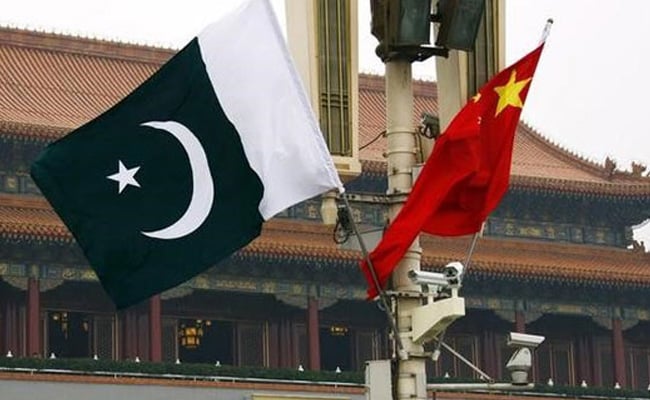
Just days ago, things looked incredibly promising. On Wednesday, June 24, shipping activity peaked with 78 vessels crossing the strait in a single day—including five massive supertankers carrying up to two million barrels of crude oil each. For a moment, the world breathed a sigh of relief. The energy markets assumed the Pakistan-brokered truce was holding. Related coverage regarding this has been provided by TIME.
Then came Thursday, June 25.
An Iranian drone slammed directly into a commercial cargo vessel traveling along the southern route near Oman. The response was swift and violent. US Central Command (CENTCOM) launched heavy retaliatory airstrikes against Iranian surveillance infrastructure, air defense sites, and minelaying capabilities. Iran quickly shot back, firing missiles and drones at American military facilities in Bahrain and Kuwait over the weekend.
The immediate result? Shipping volumes cratered. By Sunday, June 28, ship tracking firm Kpler recorded just 12 to 22 vessels making the journey. That is a ghost town compared to the pre-war average of 130 to 140 ship transits per day. Takaya Soga, CEO of Japan’s NYK Line, warned that the waterway will likely operate at less than half its normal capacity for months, even if the politicians keep talking.
The Trap Inside the Text
Why did a peace deal fall apart in less than two weeks? It comes down to a classic case of diplomatic double-talk. Both Washington and Tehran signed a memorandum of understanding (MOU) to halt the war that began back on February 28, but they read completely different rules from the exact same page.
- The US Position: American officials insist the agreement guaranteed a 60-day window where the strait would completely reopen to international commerce without interference or illegal transit fees from Iran.
- The Iranian Position: Tehran points to vague language in the text stating Iran "will make arrangements using its best efforts for the safe passage of commercial vessels." They claim this phrase gives them total authority to dictate exactly how, when, and where ships can move.
Iran is using this loophole to aggressively assert control over the global economy's most vital energy artery. They've set up a brand-new bureaucratic entity called the Persian Gulf Strait Authority. If a ship wants to pass safely, Iran demands it sail through a northern corridor hugging the Iranian coastline, submit comprehensive data on its crew, cargo, and destination, and in some cases, pay a hefty toll.
This leaves maritime operators in an impossible position. The Islamic Revolutionary Guard Corps (IRGC)—the group running this vetting process—is legally classified as a terrorist organization by the US and the European Union. If a shipping company pays them a toll to guarantee safe passage, they run a massive risk of violating Western sanctions.
Running Dark and Navigating Chaos
Because of this compliance nightmare, the maritime industry has fractured into dangerous, improvised routing strategies. Data from MarineTraffic over the weekend revealed a wild, lawless split in how captains are handling the crossing:
- 39 ships took the southern route along the Omani coast, relying on a US military overwatch operation utilizing drones and aircraft for protection.
- 37 ships capitulated to Tehran's demands, moving north directly through Iranian-controlled waters under the supervision of the IRGC.
- 23 ships completely shut off their AIS location transponders and ran dark through the night, hoping to slip through unnoticed by either side.
- 9 ships braved the old pre-war central lanes, despite the known presence of unexploded sea mines laid earlier this year.
To make matters worse, the UN's International Maritime Organization (IMO) completely suspended its humanitarian evacuation program intended to rescue stranded crews. The safety guarantees just aren't there. Right now, about 60 IRGC speedboats are patrolling in aggressive swarms right next to the US-backed southern shipping lane. It's a powder keg waiting for a match.
What Happens Next
High-level diplomatic teams are heading to Doha, Qatar, this week to try and patch up the leaking hull of this peace agreement. Donald Trump's special envoy Steve Witkoff and adviser Jared Kushner are scheduled for technical-level talks, while an Iranian delegation will be in the same city. However, Iranian officials have already stated there will be no direct, face-to-face meetings between US and Iranian representatives.
Expect market volatility to stay high. Until the US and Iran iron out a explicit, ironclad definition of what "safe passage" actually means, shipowners will remain terrified of sending their billion-dollar assets through the strait.
If you are managing supply chains or tracking energy markets, do not rely on official joint statements claiming peace is at hand. Watch the automated ship tracking data instead. Look for the daily transit numbers out of Musandam. If those daily numbers stay below 50, the crisis is still very much alive, and the global energy supply remains on life support. Keep your logistics chains flexible and prepare for extended delays on any cargo originating from the Persian Gulf.