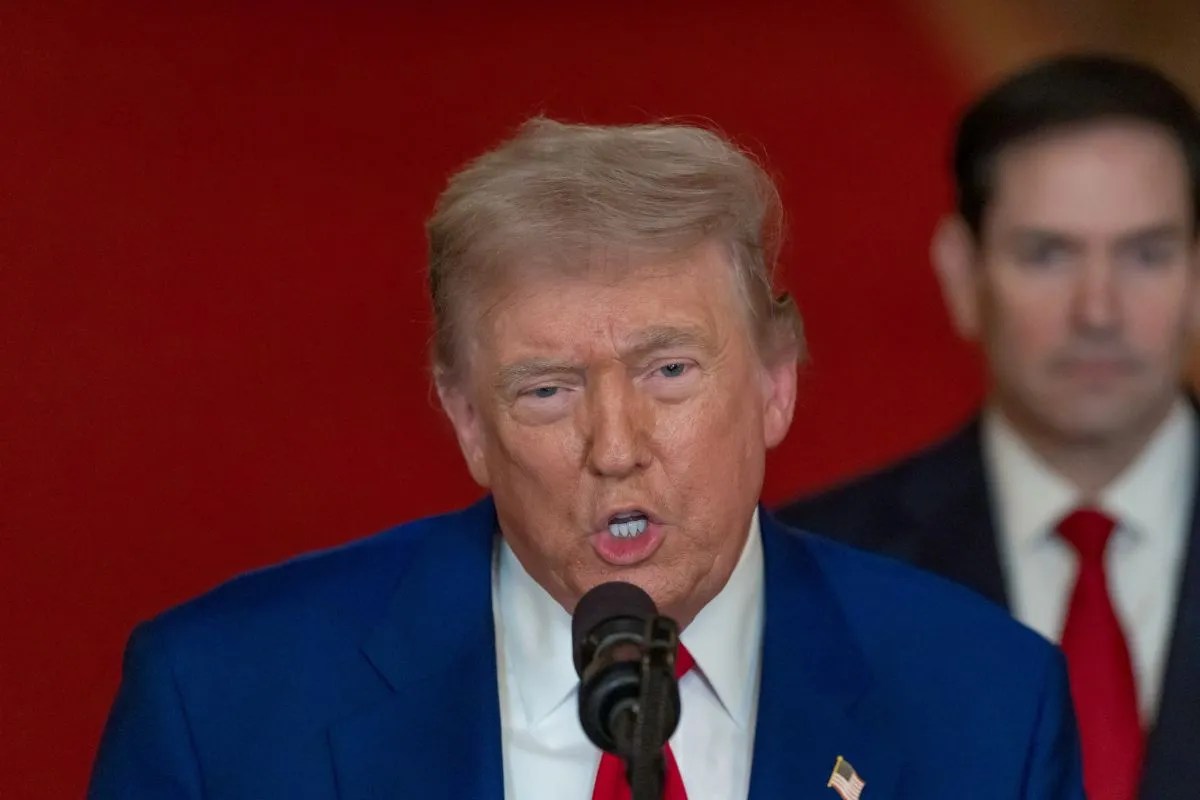
When Washington weighs heavy military action in the Middle East, Riyadh holds its breath. The recent diplomatic scramble between Saudi Crown Prince Mohammed bin Salman and US President Donald Trump reveals a stark reality. Saudi Arabia isn't cheering for an open-ended war next door. They are terrified of it.
The Real Reason Saudi Arabia Wants De-escalation Now
You've probably heard analysts claim that regional rivals love watching Tehran burn. That theory falls apart the moment you look at actual infrastructure maps. Riyadh knows that any massive American strike on Iranian energy facilities or power grids will trigger immediate retaliation. Tehran has made it painfully clear that Gulf oil installations and Israeli assets are primary targets if a broader war ignites. Learn more on a connected topic: this related article.
Saudi Arabia spent years pivoting toward economic diversification under Vision 2030. Mega-projects like Neom and bustling tourism hubs cannot survive smoke billowing from burning refineries. When MBS picked up the phone to urge Trump toward a diplomatic truce, it wasn't out of sudden fondness for Tehran. It was pure self-preservation.
Behind Closed Doors in Washington and Riyadh
Diplomacy in the Middle East rarely happens in the open. Earlier, Saudi Defense Minister Prince Khalid bin Salman flew to Washington for high-stakes talks with Vice President JD Vance and Trump's inner circle. The message from Riyadh was unambiguous. While the kingdom joined targeted actions against Iranian-backed proxies in Iraq, an all-out assault on mainland Iran crosses a dangerous line. More analysis by BBC News highlights similar perspectives on the subject.
Intelligence reports highlighting potential Iranian counter-strikes on Gulf energy pipelines changed the calculus. A closed Strait of Hormuz and crippled oil exports spell economic disaster for the entire peninsula. MBS made sure the White House understood the collateral damage before any final strike orders dropped.
What Comes Next for the Region
Trump's subsequent announcements about exploring a diplomatic off-ramp and shaping a truce outline show that the message landed. But make no mistake. The underlying friction points haven't vanished. Regional mediators continue scrambling behind the scenes to reopen maritime trade routes and salvage shaky ceasefires.
Watch the Strait of Hormuz closely over the coming weeks. If shipping traffic normalizes and diplomatic channels stay open, Riyadh's emergency lobbying worked. If talks collapse, expect the Gulf states to bunker down faster than ever.