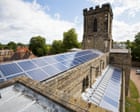
British electricity is getting cleaner, and you can thank a massive wave of rooftop solar panels for a big chunk of it. July data proves solar power is no longer a cute science experiment. It is a heavy hitter on the national grid.
Solar farms and home rooftop setups cranked out a record-breaking 14.4% of Britain's total electricity mix last month. If you are wondering how that happened, look no further than your own neighborhood. People are sick of high energy bills, and they are putting panels on their roofs faster than ever.
The Numbers Behind the Boom
Let us look at what actually happened in the energy sector. According to the National Energy System Operator (NESO), July's solar output smashed the previous record of 12.4% set just back in May. Compare that to the same month last year, when solar only accounted for 9.6% of generation. That is roughly a 50% jump in a single year.
Cloudless skies and extra sunshine hours definitely helped. But weather is only half the story. The real driver is a massive influx of hardware. Official figures tracked 142,536 new solar installations across Great Britain in the first six months of the year alone. That makes it the busiest six-month stretch for solar installations since 2011.
Why Everyone is Suddenly Going Solar
If you talk to homeowners who recently made the switch, the motivation usually comes down to one thing: escaping volatile energy bills. Years of painful price shocks tied to fossil fuels have changed consumer behavior.
Energy providers and industry trackers report that smaller household systems now make up slightly less than a third of the country's total solar capacity. People want control. Generating your own electricity means you aren't completely at the mercy of global oil and gas markets.
The timing couldn't be better. During the scorching summer heatwaves, that extra solar generation did heavy lifting by powering air conditioning units and fans. Think tanks like Ember noted that a typical UK home with rooftop solar could power roughly five hours of air conditioning daily during peak heat spikes.
Ground-Mount Farms vs. Your Roof
While residential rooftops get a lot of attention, large-scale utility farms are also scaling up rapidly. Mega-projects like the 373-megawatt Cleve Hill installation in Kent show how utility companies are changing the landscape. Even bigger projects, like the planned 800-megawatt Springwell solar farm in Lincolnshire, are already moving through the pipeline for future deployment.
Critics sometimes complain about land use for solar farms, but the economic reality is hard to ignore. Homegrown renewables offer a layer of energy security that traditional power plants struggle to match.
Government officials are backing the trend, pointing out that local generation protects families from international supply crises. When the sun shines on British roofs, energy imports drop.
What You Should Do Next
If you are sitting on the fence about installing solar panels, the market has shifted from a luxury upgrade to a practical financial asset.
Look into your local council rules, check quotes from multiple installers, and evaluate whether adding battery storage makes sense for your property usage profile. The second solar boom is moving fast, and waiting too long simply means paying more to the grid while your roof sits empty.