We rely on air traffic controllers to keep the skies from turning into absolute chaos. When two controllers at New York's LaGuardia Airport decided to slip away about an hour before their shifts ended on the night of a fatal runway disaster, it wasn't just a minor rule infraction. It exposed a systemic rot in how aviation staffing and oversight are managed under pressure.
Government officials revealed that these two individuals left the tower early on March 22, abandoning their posts during an unusual rush of delayed flights and an unfolding tarmac emergency. This left only two controllers to handle an overwhelming volume of arrivals and coordinate emergency ground responses. That absence stripped the tower of the precise backup required when things go sideways. Recently making waves lately: Why The Bhote Koshi River Flash Floods Demand Immediate Attention.
Let's look at why this incident is shaking up aviation safety norms and what it tells us about the hidden cracks in our infrastructure.
The Routine Habit of the Early Shove
Leaving early when an approved break falls at the tail end of a shift isn't a secret isolated incident. Inside the industry, it's known as an "early shove." It's an open secret that happens nationwide. Additional insights on this are covered by NBC News.
When you get paid for eight hours, you're expected to stay for eight hours. Seven and a half doesn't cut it, especially in a profession where margins for error are razor-thin. Yet, old-timers and retired officials note that this practice has quietly persisted for years without aggressive pushback from management.
Transportation Secretary Sean Duffy labeled it outright timecard fraud, pointing out that while the vast majority of air traffic controllers are patriots who work their full shifts, a rule-bending minority creates dangerous vulnerabilities for everyone else. When people sneak out early, they dump extra workload onto their colleagues who are already dealing with extreme fatigue and staffing shortages.
What Happened on the Tarmac That Night
The staffing shortage in the tower didn't happen in a vacuum. LaGuardia was dealing with a massive backlog caused by weather delays, doubling the typical volume of arrivals and departures after 10 p.m.
At the exact same time, controllers had to juggle a separate ground emergency involving a United Airlines jet where a strong chemical odor was sickening flight attendants. This forced the tower to coordinate a massive convoy of emergency vehicles, including multiple fire trucks, a police car, and a stair truck.
According to preliminary National Transportation Safety Board reports, a controller cleared a fire truck to cross a runway while warning lights acting as stop signs were still lit. The truck lacked a transponder, which meant the tower's surface monitoring system couldn't reliably track its position or flag a potential conflict with landing aircraft.
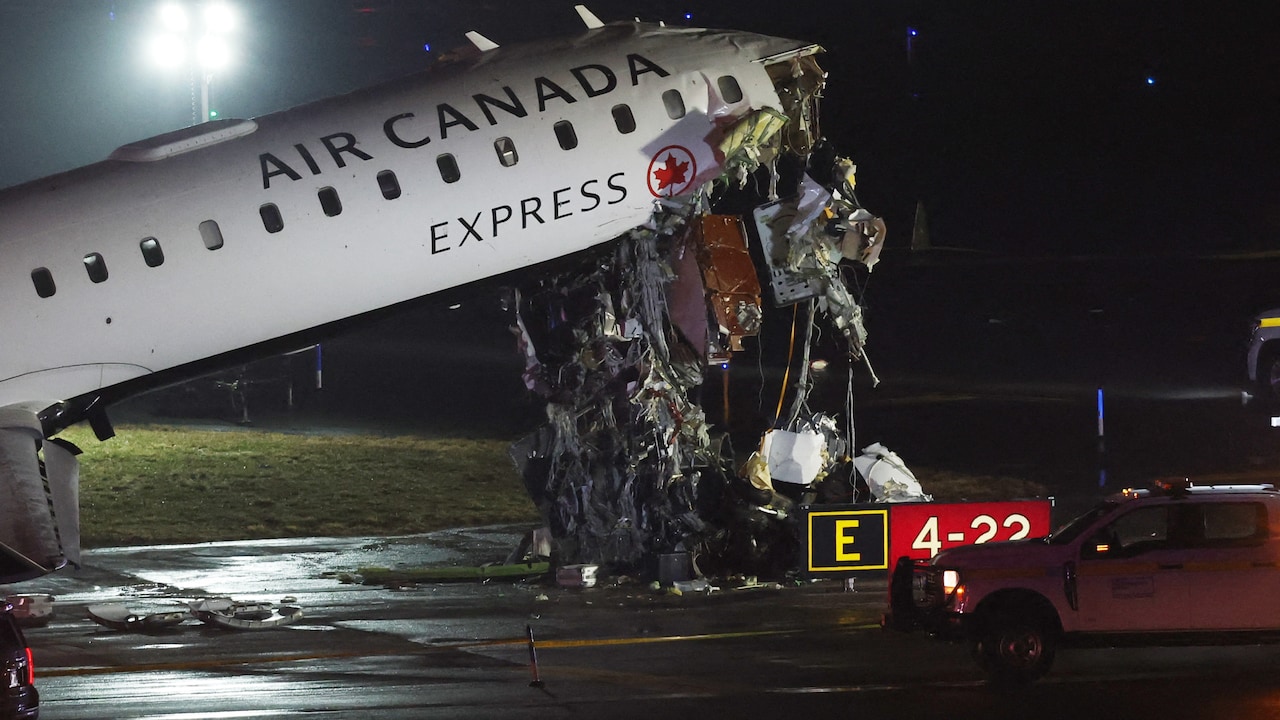
An Air Canada Express regional jet carrying 76 people touched down right into the path of that convoy. The collision killed both pilots, Antoine Forest and Mackenzie Gunther, and injured dozens more. It marked the first fatal crash at LaGuardia in 34 years.
The Staffing Crisis Behind the Tower Glass
You can't talk about aviation safety without addressing the chronic shortage of air traffic controllers across the United States. The Federal Aviation Administration has been scrambling to recruit and retain staff, leaving towers severely under-resourced.
When towers operate near minimum staffing levels, any unexpected absence, delay, or local emergency puts an incredible psychological and operational strain on the people left behind. Controllers work grueling overtime shifts, often stringing together six-day workweeks. Burnout isn't a risk anymore; it's a baseline reality.
While leaving early doesn't automatically mean a crash would have been avoided had those two extra controllers been present, their absence removed a vital layer of redundancy. Redundancy is the entire point of having multiple people on duty during peak hours. When you strip away backup layers, you remove the safety net that catches human mistakes before they turn catastrophic.
The Push for Accountability
The FAA is pursuing disciplinary action against the two controllers, ranging from formal suspensions to outright termination. Meanwhile, the National Air Traffic Controllers Association is locked in tense discussions with agency leadership as they negotiate a new contract.
Fixing this isn't simply a matter of punishing a couple of rule-breakers. It requires a complete overhaul of workplace culture, scheduling transparency, and fatigue management. If management looks the other way on early departures because everyone is overworked, the system will continue to break down at the worst possible moments.
True accountability means enforcing strict time and attendance rules while fixing the underlying staffing shortages that drive workers to the brink of exhaustion in the first place. Until the agency addresses the root causes of burnout, minor shortcuts will keep turning into major disasters.