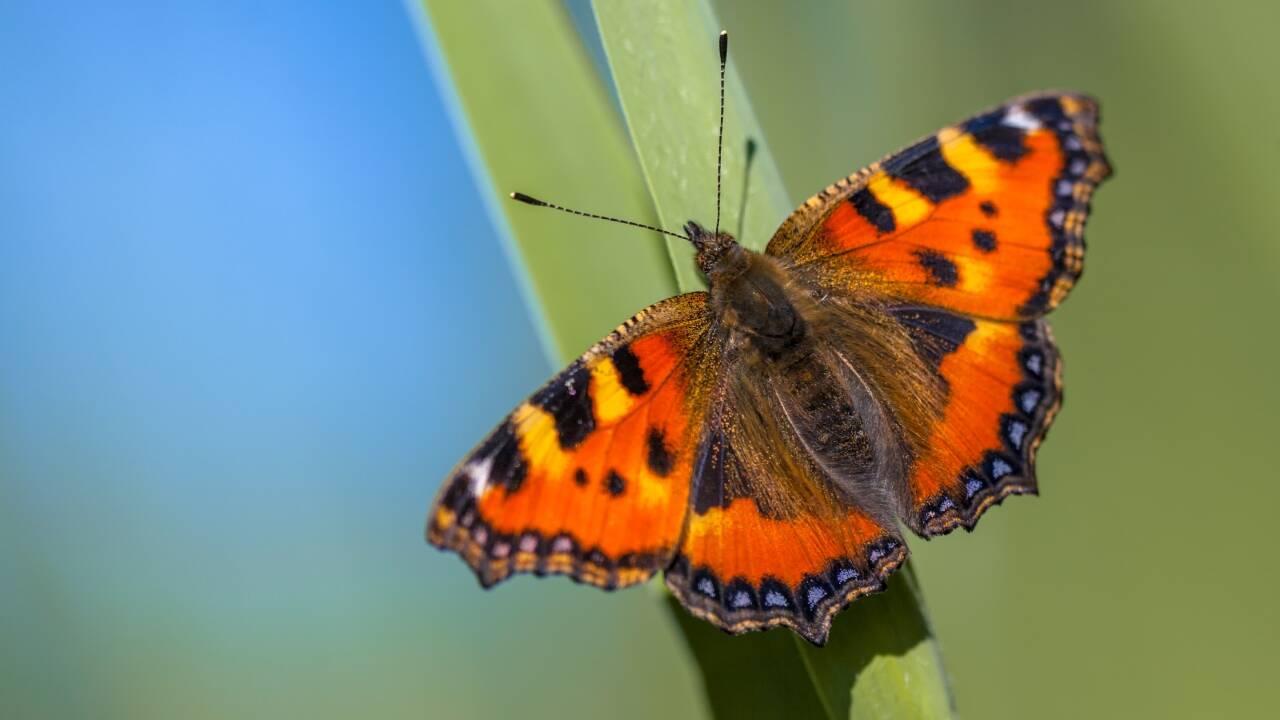
If you walked through a British garden this summer, you probably noticed them. Fields and backyards came alive with a fluttering blur of color, marking one of the most vibrant insect seasons in over a decade. Over 100,000 volunteers fanned out across the country with clipboards and notebooks, tallying a staggering 1.4 million common butterflies and day-flying moths.
It was officially clocked as the second-best butterfly season in sixteen years, trailing only behind the monumental counts of 2019. Migratory painted ladies stole the spotlight with an eye-watering 335% population jump compared to the previous year. Holly blues and gatekeepers also smashed local records.
Adult butterflies love dry, scorching heatwaves. They had plenty of them. But conservation scientists aren't celebrating. Beneath the Instagram-friendly photos of meadows packed with nectar-seekers lies a grim reality check for next year.
The Trap of a Scorching Summer
We tend to measure nature by what we can easily see. When sunshine floods the countryside and crowds of brilliant insects fill our view, we assume the ecosystem is thriving. That logic fails miserably when it comes to lepidoptera.
Adult butterflies use warm weather to fly, feed, and mate aggressively. Give them a five-heatwave summer and they will multiply fast. But their offspring live a totally different life. Caterpillars require lush, hydrated host plants, tender grasses, and thriving wildflowers to survive.
Those plants withered away under severe drought conditions.
Richard Fox, head of science at Butterfly Conservation, pointed out the core disconnect. A banner year for adult flying insects doesn't automatically mean a healthy, sustainable population going forward. The extreme weather that made fields look picturesque for humans starved the upcoming generation of caterpillars.
Winners, Losers, and Out-of-Bounds Weather
Not every species shared in the temporary glory. While migratory powerhouses like painted ladies rode favorable winds, stationary, moisture-loving residents took a beating. Speckled woods, green-veined whites, and ringlets saw steep drops during the national counts—down 44%, 54%, and 39% respectively compared to long-term baselines.
British wildlife is moving into uncharted territory. Matthew Oates, an independent naturalist who has kept meticulous diaries since 1964, argues that we are completely out of our historical comfort zone. Past droughts—like the famous, catastrophic crashes of 1976—were devastating because they followed already dry cycles. This season had the cushion of a wet winter and a soggy June, which might have saved some foodplants from total collapse.
Even so, experts agree that current summers are beginning to mimic southern Europe rather than traditional British temperate norms. When weather extremes become the baseline, historical field knowledge stops working.
What You Can Do in Your Own Backyard
You don't have to sit back and watch local populations crash. If you maintain a garden or green space, you can actively bridge the gap for vulnerable caterpillars and stressed insects.
- Stop over-manicuring: Leave patches of native grass and wild margins uncut. Caterpillars need shelter and unmanaged food sources close to the ground.
- Plant drought-resilient nectar sources: Focus on perennial wildflowers that hold up against dry spells instead of fragile annuals that die off at the first sign of heat.
- Provide safe water stations: Place shallow dishes with clean pebbles and water in shady spots so exhausted flying insects can drink safely without drowning.
- Participate locally: Join national recording schemes like the Big Butterfly Count. Real citizen data helps scientists track localized survival rates much faster than institutional surveys alone.
The sudden explosion of wings this year bought us a magnificent spectacle. Keeping those colors around next summer will require a lot more help from the ground up.