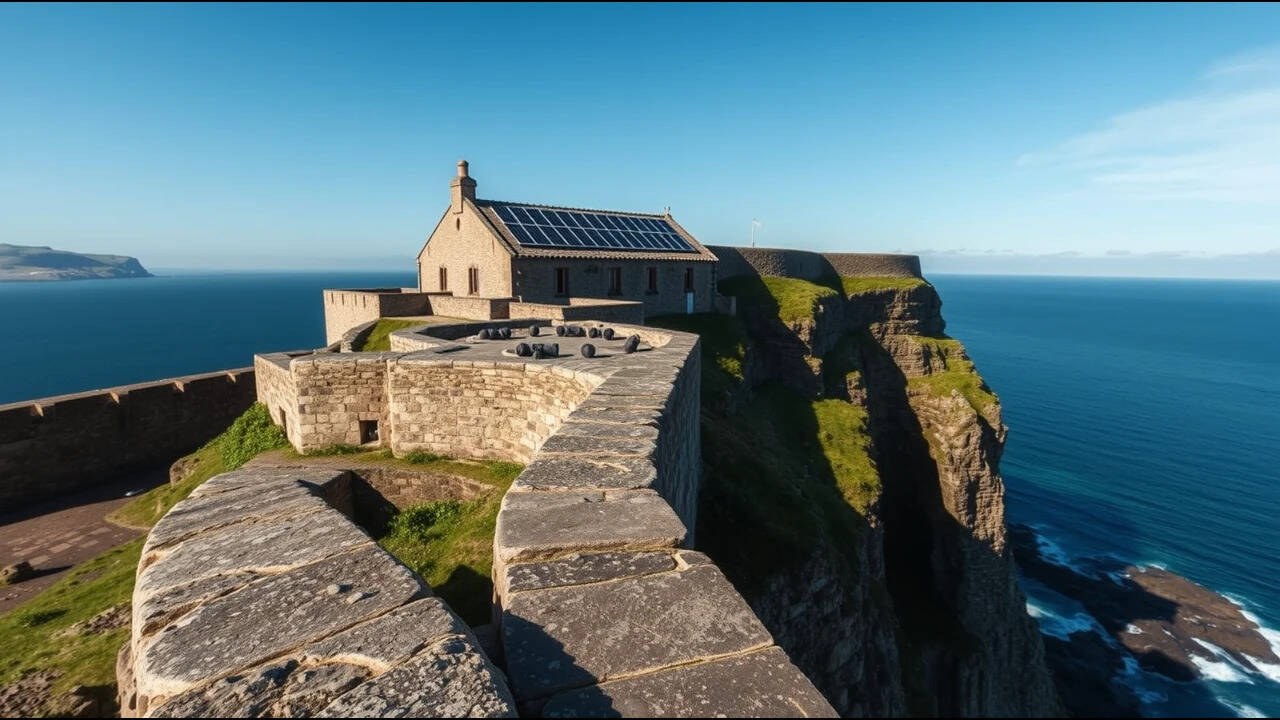
Brown rats don't belong on remote Atlantic islands. Yet, for centuries, that anomaly defined St Agnes and Gugh in the Isles of Scilly. Ever since an 18th-century shipwreck spilled invasive rodents onto pristine shores, the ecosystem paid a heavy price. Native burrow-nesting seabirds faced relentless predation, driving populations down to the brink of local extinction.
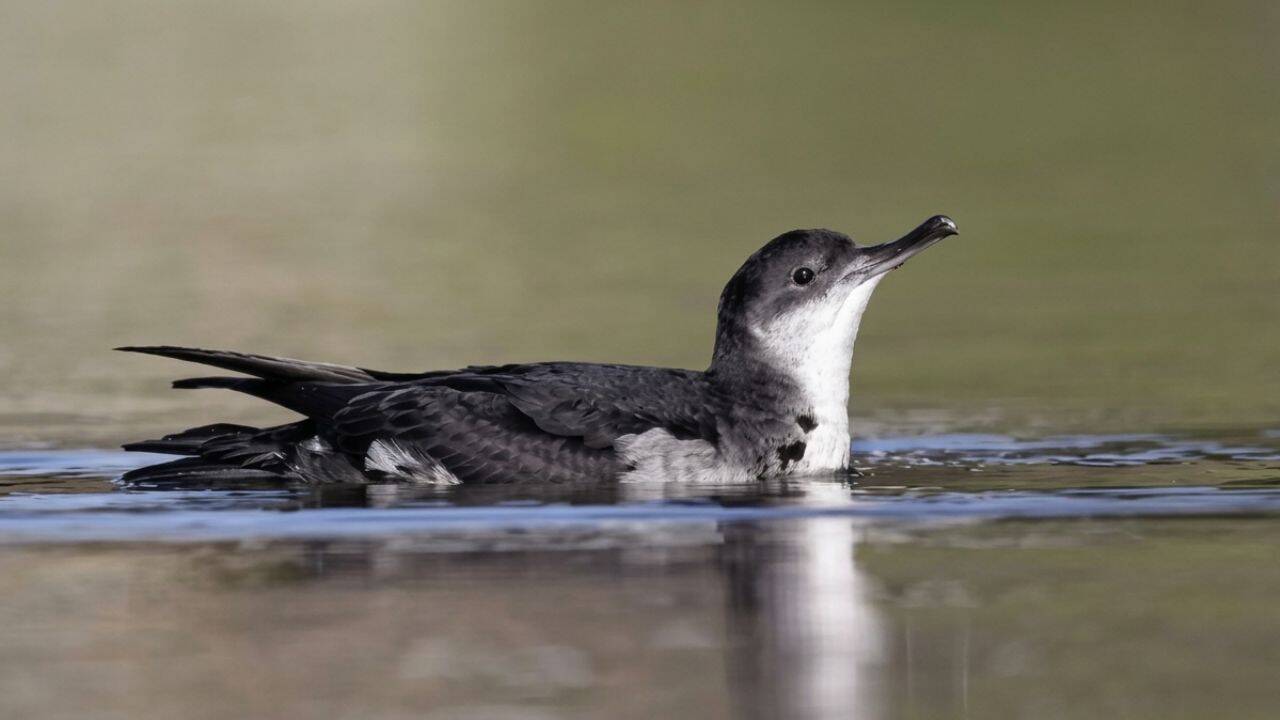
Then came the radical cleanup. In late 2013, a coalition of conservationists, wildlife specialists from Wildlife Management International Ltd, and local residents launched an intensive eradication campaign. Twelve years later, the results shatter expectations. Manx shearwater breeding sites have surged from a meager 22 pairs to a record 225 apparently occupied sites.
If you want to understand how ecological restoration actually works when governments and communities stop messing around, look right here.
The Cost of Ignoring Invasive Species
Islands are fragile arks. When ground predators like rats gain a foothold, ground-nesting species stand zero chance. Manx shearwaters and European storm petrels lay a single egg inside vulnerable earthen burrows. To a hungry brown rat, those burrows look like an all-you-can-eat buffet.
For generations, seabird numbers across the Isles of Scilly plummeted. The UK holds a massive share of the global population for these exact bird species, making local declines an international conservation crisis. Simply trying to manage or reduce rat numbers doesn't work. Half-measures fail because rodents breed too fast. Total eradication remains the only viable choice.
The Isles of Scilly Seabird Recovery Project understood this harsh reality. They skipped the wishful thinking and targeted total elimination.
Inside the 2013 Operation
Executing an island-wide rodent eradication is an exercise in logistical brutality. In November 2013, teams deployed bait stations across every inch of St Agnes and Gugh. They monitored progress daily, tracking consumption rates and hunting for the final pockets of rodent activity.
It wasn't a casual weekend cleanup. It required meticulous planning, heavy community buy-in, and strict biosecurity protocols to ensure no animals slipped through the cracks. By the end of that winter, the last active signs of rats vanished. Official rat-free status followed in 2017, backed by continuous surveillance and even specialized biosecurity detection dogs sniffing out potential threats years down the line.
When you remove the apex predator, nature bounces back with ferocious speed.
The Surprising Rebound of Manx Shearwaters
Recovery didn't take decades to show up. Within the first two years following the eradication, conservationists recorded dozens of seabird chicks successfully hatching for the first time in living memory.
Fast forward to the latest monitoring data, and the numbers tell an incredible story. Manx shearwater breeding sites skyrocketed to 225. Other species caught a break too. Lesser black-backed gull colonies climbed to 491 pairs, hitting their highest point since 2014. Kittiwakes showed modest increases, proving that systemic ecological health spreads across multiple niches once the primary threat disappears.
Of course, challenges persist. Recent surveys noted occasional pressures from other sources, such as cat predation on storm petrels and minor biosecurity scares like accidental mouse incursions via imported chicken feed. Ecosystem management never truly ends; it just shifts from emergency rescue to maintenance.
What Comes Next for Island Conservation
The blueprint proven on St Agnes and Gugh is now changing the playbook for adjacent lands. Conservation planners are actively scaling up similar operations across St Martin's, Tresco, Bryher, and roughly twenty-one nearby uninhabited islands. Because these landmasses sit close together, success demands synchronized, simultaneous action across the entire cluster.
If you are tracking modern environmental victories, stop looking at high-tech carbon capture pipe dreams. Look at ground-level biology. Eradicating invasive pests works. Give wildlife a clean slate, and they will fill it.