Gas prices are climbing, and voters are furious. When oil crosses $100 a barrel, political loyalties get tested in real-time. You're seeing economic anxiety cut right through party lines, creating a massive headache for the administration as midterms approach.
Let's look at what's actually happening on the ground. Recent polling data from Navigator Research shows that roughly 87% of Americans notice gas prices going up. Even more telling? Over 60% of respondents point the finger directly at Donald Trump and congressional Republicans for the surge. When energy costs spike, political rhetoric about energy independence usually follows, but voters living through high fuel costs at the pump care more about their wallets than talking points. You might also find this connected article interesting: Why The Detention Of Tunisia's Flotilla Activists Exposes A Much Bigger Battle.
The Geopolitical Catalyst Behind the Pain
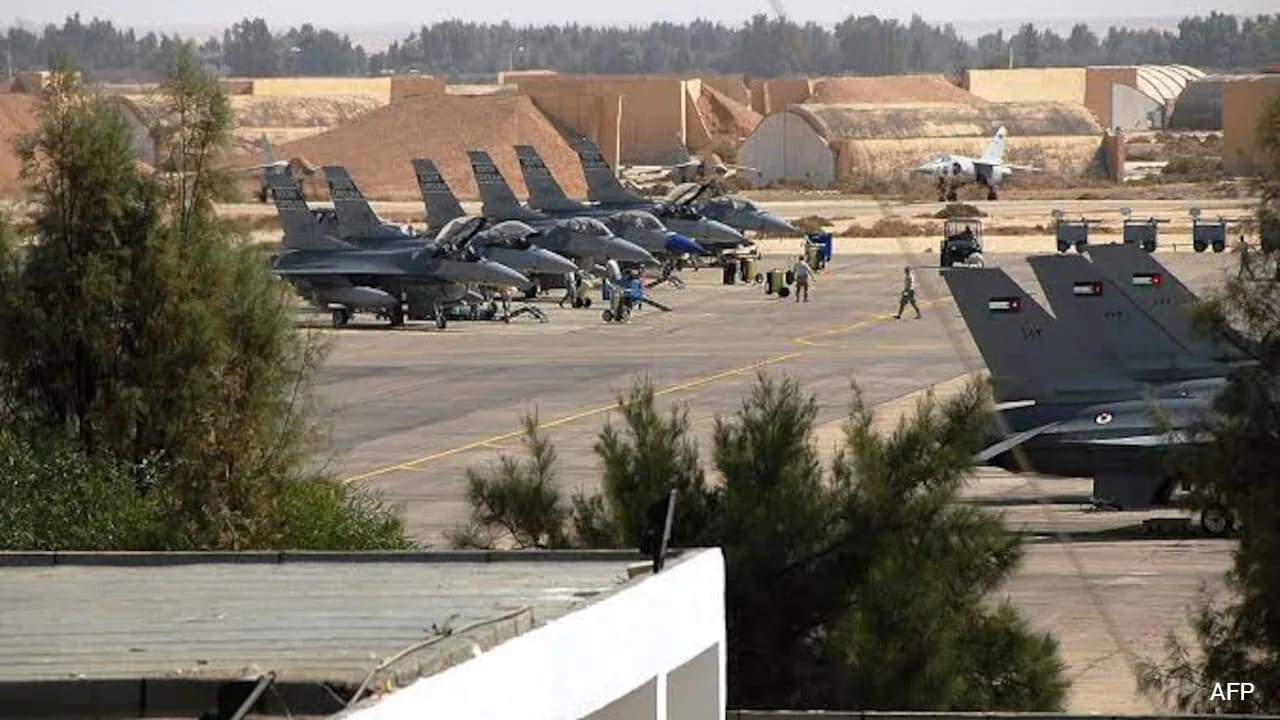
You can't talk about soaring energy costs without looking at the international conflicts driving them. The ongoing war with Iran and renewed regional disruptions in the Gulf have severely strained global oil supplies. When tanker attacks occur and critical trade routes like the Strait of Hormuz face blockades, crude prices react instantly. Brent crude recently touched triple digits, and consumers bear the brunt of that volatility immediately.
President Trump has argued that conflicts like the Iran war will resolve swiftly following elections, but voters aren't feeling any relief right now. Over 70% of surveyed citizens explicitly blame ongoing military engagement for driving up fuel prices, overshadowing other domestic factors or corporate price gouging narratives. As highlighted in latest articles by Al Jazeera, the implications are notable.
Fractures Inside the Republican Party
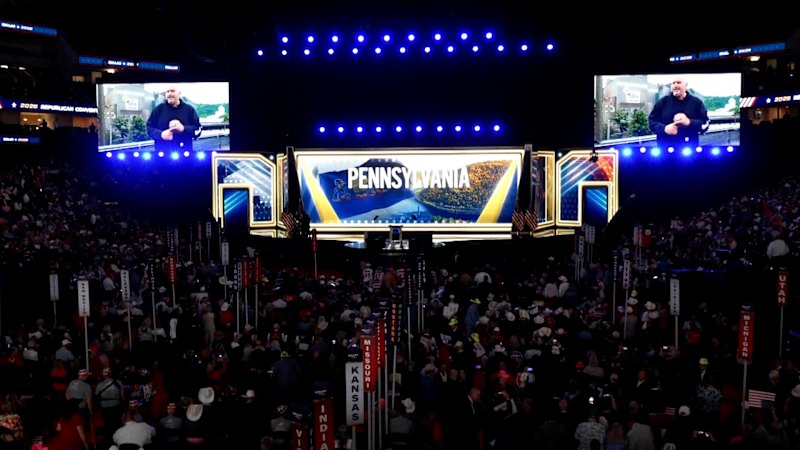
Walk around a major Republican gathering—like the recent midterms convention in Texas—and you'll hear conflicting views. Sarah Smith and other reporters on the ground note that while staunch loyalists defend administration policies, independent voters and moderate or non-MAGA Republicans express deep frustration.
Republican women and suburban independents show particular resistance to the administration's handling of the economy. They are asking hard questions about whether aggressive foreign policy moves are worth the inflationary pressure at home. When inflation hits everyday necessities, political friction is inevitable.
What This Means for the Midterms
Elections are won and lost on kitchen table economics. If voters believe the ruling party has mishandled energy costs, they punish them at the ballot box. Right now, public opinion is split, but the momentum leans toward voter dissatisfaction. Roughly 35% of voters trust Democrats more on gas prices, while only about 31% lean toward Trump and the GOP, leaving a large chunk of the electorate completely disillusioned.
Stop expecting simplistic answers to complex energy crises. Parties on both sides try to spin supply shocks to their advantage, but the average driver cares only about the total on the pump. Watch how candidates address foreign conflicts and domestic production over the coming months; it will decide who wins control of Congress.