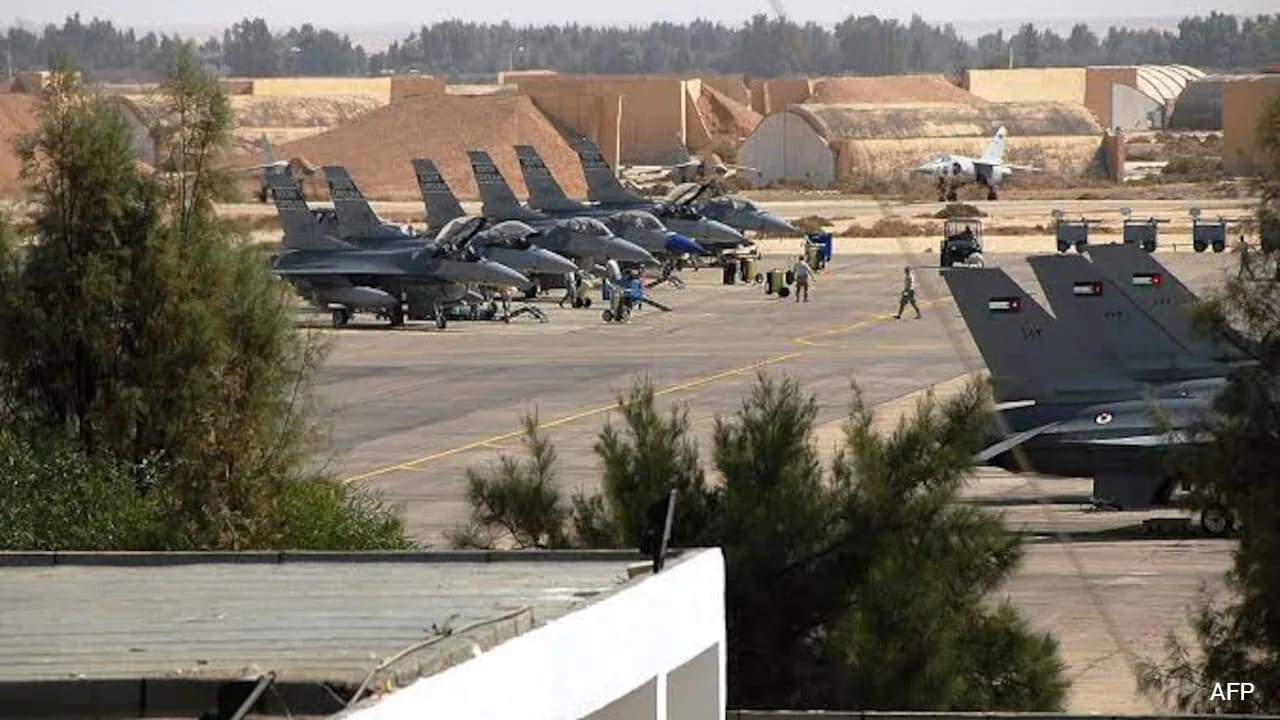
War doesn't stay contained. When Iranian missiles slammed into Muwaffaq Salti Air Base in Jordan, they didn't just rattle the desert sand. They punched a hole right through the Pentagon's myth of absolute regional deterrence.
Several US warplanes were left damaged or destroyed in the strike. An A-10 Thunderbolt, famously known as the Warthog, took a direct hit that left it missing an entire wing. Roughly eight F-15 fighter jets sustained light damage during the barrage before maintenance crews managed to patch them up and clear them for service.
People want to know how a heavily guarded installation let this happen. The short answer is sheer volume. American forces in Jordan scrambled to launch more than 30 Patriot interceptor missiles to shield the perimeter. Jordanian air defense networks also reported tracking and neutralizing multiple incoming ballistic projectiles, but the sheer scale of the saturation strike meant hits were inevitable.
Why Jordan Became a Target
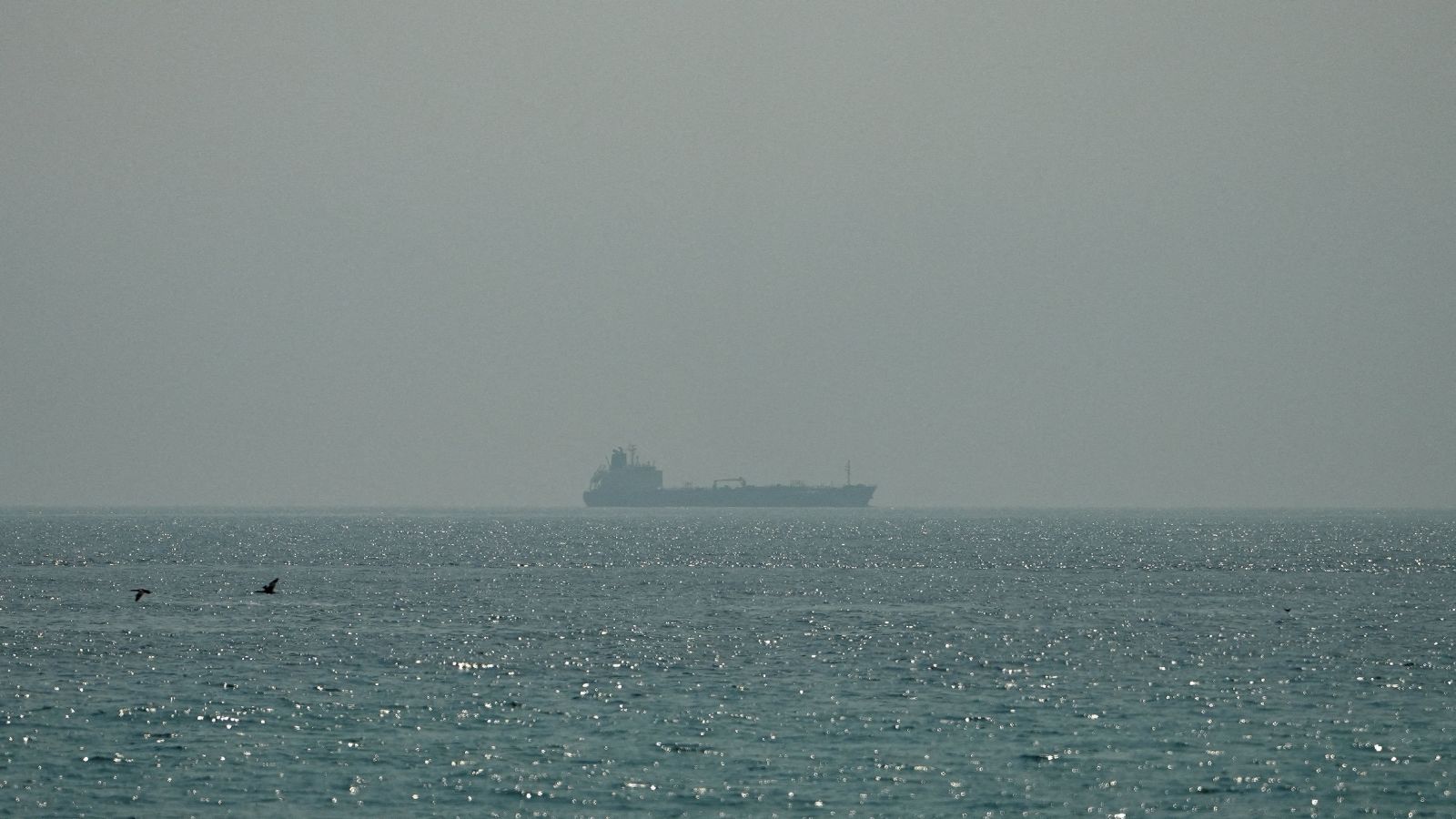
Muwaffaq Salti Air Base isn't just another dusty landing strip. It functions as a critical operational hub for American air power across the Middle East. When Washington authorized strikes that sank five Iranian oil tankers following an attack on a US Navy warship, Tehran didn't just absorb the blow and move on.
The Islamic Revolutionary Guard Corps fired back hard. They launched coordinated attacks targeting multiple vessels in the strategic Strait of Hormuz alongside ballistic strikes aimed squarely at regional American footprints.
Tehran called the Jordan strike a punitive operation. They aren't hiding their objectives either. Iranian officials laid out a laundry list of terms to halt hostilities. They want the US to stop threatening actions, force an Israeli army withdrawal from Lebanon, lift blockades, release billions in frozen assets, and keep hands off their domestic missile and nuclear research programs.
The Political Fallout Back Home
President Donald Trump insists the conflict will wrap up right after the upcoming midterm elections in November. He claims Tehran is desperate and running out of steam. White House strategists are betting big on a quick political resolution to soothe anxious voters worried about fuel prices and military overreach.
Behind closed doors, military advisors are telling a completely different story. Pentagon insiders leaked to the press that the confrontation could drag on for years. You cannot sink tankers, take direct missile hits on premier air bases, and expect a tidy exit strategy in a few weeks.
Polls show the administration's party facing tough headwinds in Congress. Voters are exhausted by endless escalations. Yet on the ground in the Middle East, the cycle of retaliation keeps spinning faster. Every intercepted missile costs millions. Every damaged Warthog reminds planners that modern air defense is a numbers game where defense wins matches, but inventory eventually runs dry.
Keep your eyes on the Strait of Hormuz shipping lanes and air base telemetry reports over the coming weeks. That is where the real war is being fought.