The rules of engagement in the Gulf are rewriting themselves in real-time. When American forces targeted and sank Iranian crude oil tankers, it wasn't just another localized skirmish. It marked a massive escalation in a shadow war that has finally broken out into the open.
US Central Command made it clear. If Tehran shoots at American warships, Washington intends to hit back by destroying the financial lifeblood backing the Islamic Revolutionary Guard Corps. Learn more on a similar subject: this related article.
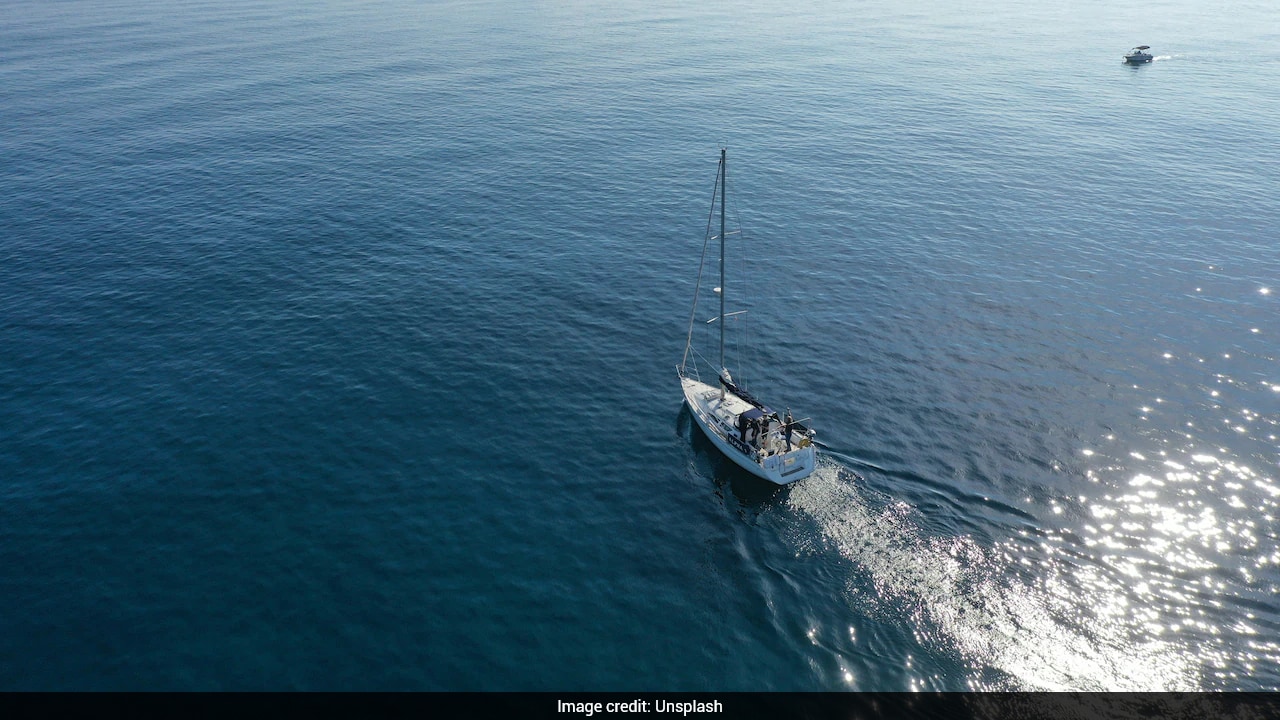
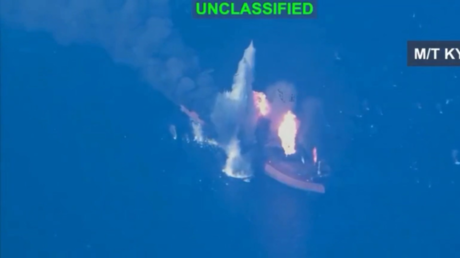
Let's look at what actually happened. The M/T Kylo went down in the Gulf of Oman. CENTCOM released drone footage showing the half-submerged vessel smoking after the strike. The US military stated the vessel wasn't carrying oil at the moment of impact and that the crew abandoned ship safely. But the symbolic and economic weight of the action is heavy. Admiral Brad Cooper laid out the math for the public. Shoot at two US ships, and three of yours go down.
The Escalation Spiral
This didn't happen in a vacuum. Washington launched strikes on Iran earlier in the week. Tehran responded by firing ballistic missiles and drones at American assets, including an aircraft carrier and a guided-missile destroyer in the region. More reporting by USA Today delves into related perspectives on this issue.
Both sides are telling very different stories about those engagements. The Pentagon insists the Iranian missile attacks failed completely and caused no damage or injuries to American personnel. Meanwhile, Iranian outlets and military commands claim their ballistic strikes forced US warships to retreat from the area.
Truth gets messy in modern conflicts. But one fact remains undisputed. Commercial shipping lanes in the Gulf of Oman and the Strait of Hormuz are turning into a literal war zone.
Going After the Shadow Network
Why target tankers instead of just military installations? The answer comes down to economics.
Washington describes these commercial vessels as part of a multibillion-dollar shadow network financing the IRGC. Hitting the tankers aims to choke off revenue streams rather than just engaging in tit-for-tat naval artillery battles.
Tehran isn't backing down, though. Khatam al-Anbiya Central Headquarters warned that Washington will face severe retaliation against its own military vessels if the blockade on Iranian ports continues. The IRGC claimed it retaliated by striking multiple vessels trespassing in regional waters, keeping the cycle of provocation spinning faster.
What Happens Next to Global Energy
You can't mess with oil transit choke points without the rest of the world feeling the shockwaves. The Strait of Hormuz handles a massive chunk of global petroleum traffic. When tankers start sinking and carriers trade missile fire, insurance rates for shipping skyrocket instantly. Energy markets hate uncertainty.
Iran has previously threatened to target energy infrastructure belonging to US allies in the Gulf if its own facilities on Kharg Island face destruction or seizure. If those threats turn into action, gasoline prices everywhere are going to spike.
Keep a close eye on shipping insurance rates and carrier movements in the Middle East over the coming weeks. That is where the real economic impact of these strikes will show up first. Markets are reacting to every statement from CENTCOM and Tehran, and volatility is here to stay.