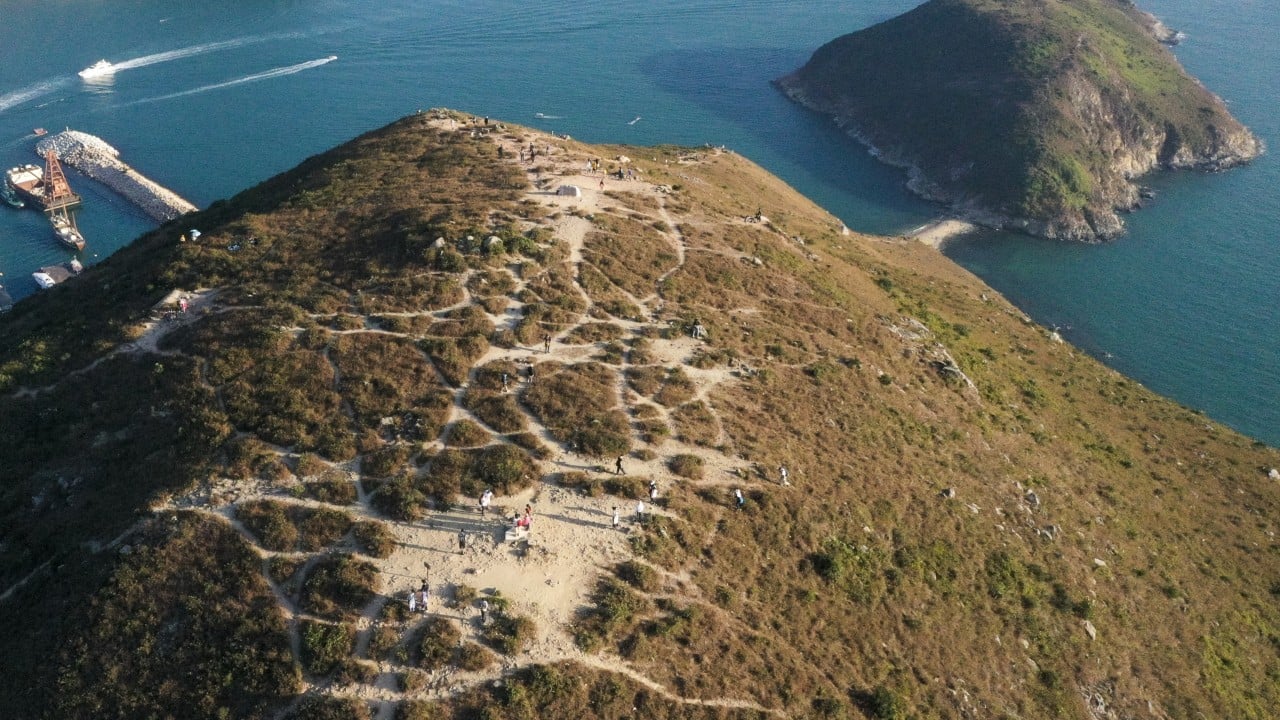
A Sunday morning hike on Ap Lei Chau's Yuk Kwai Shan turned tragic when a 72-year-old man collapsed on the steep terrain. Known popularly as Mount Johnston, the scenic spot offers sweeping sea views that draw crowds of outdoor enthusiasts. But those views come with a steep physical cost that many underestimate.
Police received a distress call from a passer-by at 9:13 AM regarding the hiker, surnamed Kwok, who had gone unconscious on the trail. A Government Flying Service helicopter scrambled to the scene, airlifting the unconscious man—who had sustained scratches to his head and feet—to Pamela Youde Nethersole Eastern Hospital in Chai Wan. Despite emergency response efforts, he was later pronounced dead.
Incidents like this expose a dangerous disconnect between the aesthetic appeal of Hong Kong’s social media-famous trails and their actual hazard levels.
The Reality Behind Hong Kong's Urban Peak Trails
Yuk Kwai Shan looks deceptively manageable from a distance. Rising sharply above Ap Lei Chau, it lures hikers with the promise of a quick climb and breathtaking coastal panoramas.
The reality on the ground is entirely different.
- Steep Inclines: The terrain features brutal, unpaved upward and downward slopes that require physical strength and proper footing.
- Minimal Infrastructure: Unlike manicured park walks, these informal or rugged routes lack standard handrails, proper stone steps, and frequent resting points.
- Zero Shade: Exposed ridges leave climbers entirely vulnerable to heat and sun exposure, accelerating dehydration and fatigue.
When older hikers or casual weekend warriors tackle these spots without accounting for the intense physical toll, disaster strikes.
Why Scenic Spots Turn Fatal
People look at a short distance on a map and assume short means easy. That mistake lands emergency rescue teams on mountain slopes week after week.
Mount Johnston requires scaling aggressive inclines where a single misstep on loose gravel can send someone tumbling. For older adults, the sudden cardiovascular spike of a vertical climb places immense stress on the heart. If underlying conditions go unnoticed or unmanaged, the exertion can trigger sudden cardiac events.
Emergency responders frequently face grueling extraction tasks because these spots lack vehicle access. Ground medics often have to hike in on foot before aviation units can safely hoist a patient out via helicopter. Every minute lost during transit drops survival rates for cardiac and trauma incidents drastically.
How to Protect Yourself on Rugged Trails
You don't have to quit hiking, but you do need to respect your limits and the terrain.
Start by auditing your route choices. If a trail review mentions steep ropes, loose dirt, or technical climbing sections, treat it as high-risk. Check weather warnings before leaving your home, especially during high-humidity or high-temperature months.
Carry an emergency communication device, stay hydrated long before you feel thirsty, and turn back the moment exhaustion sets in. A view isn't worth your life. Know when to walk away from a peak.


