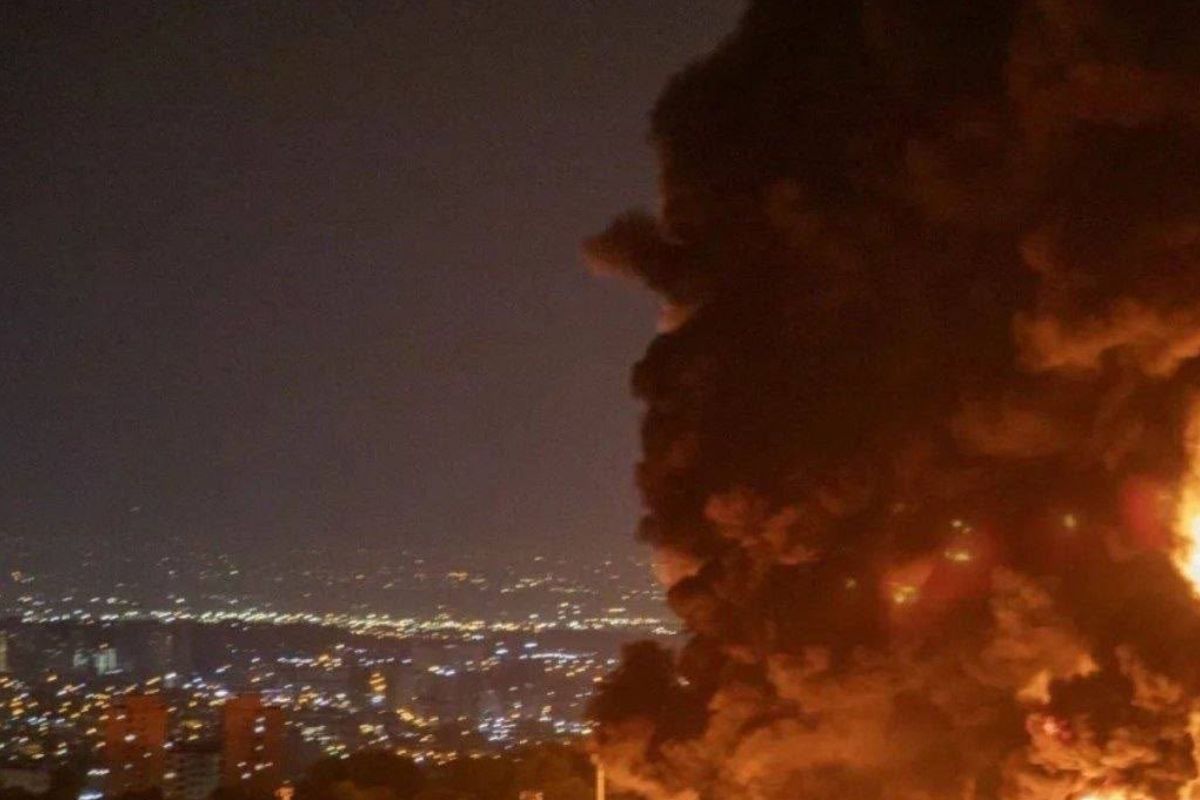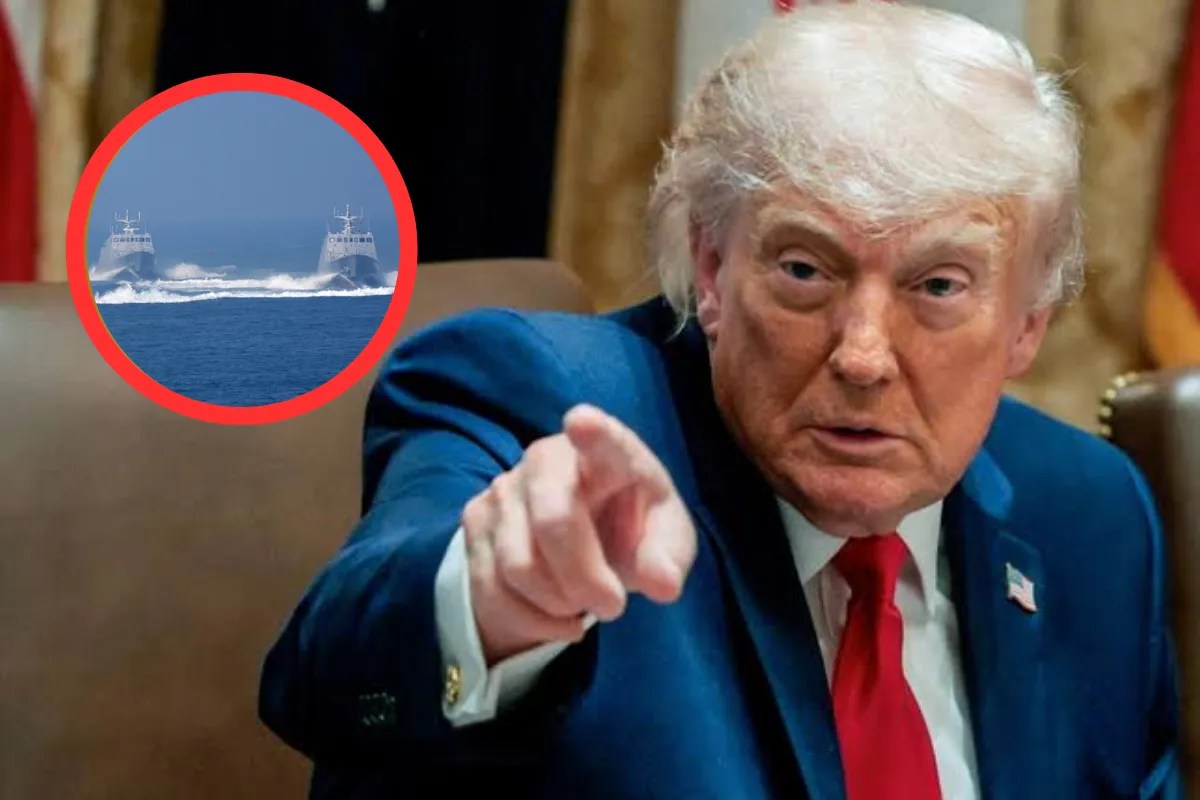
The fragile peace deal between Washington and Tehran didn't even make it past the summer. When Donald Trump stood next to NATO Secretary General Mark Rutte in Ankara and declared the hard-fought memorandum of understanding completely finished, it wasn't a sudden twist. It was the predictable death of an agreement built on sand. Over the last 48 hours, US Central Command launched a massive bombing campaign, hitting more than 170 military sites across five Iranian provinces. Air raid sirens are screaming across the Persian Gulf as Tehran fires back at American bases in Bahrain, Kuwait, and Qatar.
We are right back where we started. The short-lived interim truce is dead, and the region is sliding toward a broader war.
If you're wondering how a signed peace agreement unraveled so fast, you have to look past the immediate finger-pointing. The mainstream media is focusing entirely on the tactical triggers: the recent drone strikes, the tanker attacks in the Strait of Hormuz, and Trump's typical bombastic rhetoric. But those are just symptoms. The real problem is structural. Neither side ever trusted the other to keep their promises, and the underlying leverage that drove them to the negotiating table in the first place is exactly what tore the deal apart.
The Two Nights That Broke the Peace
The scale of the current military escalation is staggering. This isn't a minor border skirmish or a symbolic show of force. According to statements from Central Command, the US military pounded 170 targets over two consecutive nights. The targets included Islamic Revolutionary Guard Corps naval assets, coastal radar stations, air defense batteries, and anti-ship missile sites.
The immediate justification from Washington was an Iranian operation against commercial shipping. The US accused Tehran of attacking three commercial vessels transiting the crucial southern shipping channel of the Strait of Hormuz: the Marshall Islands-flagged Al Rekayyat, the Saudi-flagged Wedyan, and the Liberian-flagged Cyprus Prosperity.
The response from the White House was swift and brutal. Washington immediately revoked the temporary general license that allowed Iran to sell limited quantities of oil, choking off the country's main economic lifeline. Then came the Tomahawk cruise missiles and precision airstrikes. The Iranian health ministry reported that the bombing runs hit five coastal and eastern provinces, leaving 14 dead and nearly 80 wounded.
Tehran didn't take the hits sitting down. Hours after the initial American strikes, Iran launched a wave of retaliatory drones and ballistic missiles targeting Western military installations across the Gulf. Air defenses in Bahrain, home to the US Navy's Fifth Fleet, went active to intercept incoming threats. Sirens also wailed at bases in Kuwait and Qatar. The Iranian military explicitly claimed it targeted a Patriot missile system in Kuwait, a satellite tracking site in Qatar, and fuel storage facilities in Bahrain.
The Fatal Flaws in the Memorandum of Understanding
To understand why this collapse happened, you have to look at the sheer fragility of the Pakistan-brokered memorandum of understanding signed back in mid-June. On paper, it was supposed to create a pathway toward permanent peace after the devastating conflict that broke out earlier in the year. In reality, it was a collection of vague promises that neither government intended to fully honor.
From the moment the ink dried, the deal suffered from three fatal structural design flaws.
Unrealistic Regional Expectations
The agreement tied the bilateral truce to a wider cessation of hostilities across the region, specifically demanding an end to the war in Lebanon. But Washington couldn't control its regional allies. Israeli operations continued inside Lebanese territory, and Israeli troops maintained their positions. From Tehran's perspective, the US breached the first major clause of the agreement on day one.
The Illusion of Sanctions Relief
The truce required Washington to release billions of dollars in frozen Iranian assets and maintain oil export waivers. But the administration drug its feet. Fearing political blowback at home, American negotiators hesitated to release the cash. Iranian policymakers quickly realized that promises of future economic relief from a volatile US administration are essentially worthless.
The Battle for Routing Control in Hormuz
This is the hidden detail most analysts ignore. Iran never intended to permanently block the Strait of Hormuz. Instead, Tehran tried to force international shipping out of the US-backed southern shipping channel and into a newly designated northern route controlled entirely by the Iranian navy. When the US moved to block this routing shift, the entire security framework shattered.
Why Washington Miscalculates Iranian Leverage
The fundamental mistake American strategists make is treating the current Iranian regime like it has nothing left to lose. They assume that years of crushing economic sanctions and direct military strikes have left Tehran desperate for a deal at any cost. That is a dangerous misreading of the situation.
Iran actually holds massive leverage over the global economy right now, and their leadership knows it. The global energy market is incredibly tight. The US Strategic Petroleum Reserve is heavily depleted after months of geopolitical volatility. Global oil inventories are running remarkably low because shipping volumes through the Persian Gulf have remained depressed for most of the year.
Because of this, the global economy has almost no cushion to absorb a prolonged shutdown of the world's most critical energy chokepoint. The moment the US started bombing southern Iranian ports like Bandar Abbas, oil prices shot up across the globe. Tehran knows that every missile they fire toward a shipping lane or an American base drives up inflation in the West. For an American administration facing deep domestic political pressures, an extended energy shock is a nightmare scenario.
The Iranian leadership views their ability to disrupt global trade as their only real shield against forced regime change. Expecting them to permanently give up that leverage in exchange for a few temporary sanctions waivers is completely unrealistic. A deal built entirely on the promise of future American good behavior was never going to last.
The Escalation Trap and What Comes Next
We are now stuck in an escalation loop where neither leader can afford to back down without looking weak. Trump faces intense pressure to maintain his tough-on-terror posture, especially after calling the Iranian leadership scum on international television at the NATO summit. He has already used his personal social media channels to warn that if Iran strikes again, the next round of American bombing will be far worse.
Meanwhile, the political reality inside Iran makes compromise impossible. The country is in the middle of a massive national mourning period following the death of Supreme Leader Ali Khamenei, whose burial process in Mashhad has drawn millions of people into the streets. The government cannot look submissive to Western military pressure during a moment of intense nationalist fervor. Their chief negotiator, Mohammad Ghalibaf, made it clear: if you strike Iranian territory, you are going to get hit back immediately.
For international businesses, shipping conglomerates, and energy markets, the immediate future looks incredibly bleak. The diplomatic track is effectively frozen, despite vague statements from both sides claiming they still want to talk.
If you are trying to navigate the fallout of this security breakdown, you need to abandon the hope of a quick diplomatic fix. The region is settling into a protracted war of attrition. You should expect ongoing disruptions to maritime traffic throughout the Gulf, consistently higher shipping insurance premiums, and volatile energy prices for the foreseeable future. The illusion of a peaceful resolution is gone. Now, it is just a matter of how far both sides are willing to go before the economic damage becomes too high to bear.