Winter in Ukraine used to be about cold snaps and heating bills. Now it’s about survival. Russia has changed its approach to the conflict, and the strategy is clear. They aren't just targeting the front lines anymore. They’re aiming for the water taps and the radiators in your apartment.
It’s a calculated move. If you can’t keep people warm, you can’t keep them in the city. If you don’t have water, the logistics of daily life become impossible. I’ve watched the reports coming out of Kyiv and Kharkiv for years, and this shift toward destroying municipal infrastructure is the most dangerous phase yet. It’s not just about electricity production; it’s about breaking the ability of a society to function when the temperature drops below zero.
The new reality of energy warfare
The strategy here is simple arithmetic. By hitting the remaining power plants and heating networks, Russia forces the population into a corner. You don’t need to hit every building if you destroy the district heating plant that serves thousands of them. In cities like Kharkiv, where the power grid is already hanging by a thread, a single successful strike on a substation can leave hundreds of thousands without light or heat during a blizzard.
Most people don’t realize how integrated these systems are. You lose power, you lose the pumps that move water to the top floor of your apartment block. Then the sewers stop working. Then the cold sets in. It’s a cascading failure. The destruction of larger thermal power plants has been steady, but the targeting of "peaking" plants—those meant to provide extra power during high-demand periods—is the real kicker. They are shrinking the margin for error to zero.
Surviving the deep freeze
If you’re on the ground, you don’t wait for the government to fix the grid. You prepare. This isn't just theory. Look at the shift in consumer behavior across major Ukrainian cities. Hardware stores are sold out of portable gas stoves, heavy-duty thermal underwear, and modular power banks. People are installing small-scale solar panels on balconies, even if they only generate enough to charge a phone or run a single LED light.
The reliance on decentralized power is the only thing keeping the lights on in some neighborhoods. We’re seeing a massive move toward "point of use" solutions. If the central plant dies, the community survives on whatever they bought six months ago. It’s gritty. It’s exhausting. But it’s the only way to manage.
Why the grid is struggling to hold on
Repairing a power plant isn't like fixing a car. You need specialized components, massive turbines, and transformers that take months to manufacture. Even if the money is there, the supply chain isn't. When a strike hits, crews work around the clock. I’ve seen the footage of engineers working in freezing rain, under the threat of follow-up strikes. They are the unsung heroes of this conflict.
Yet, there is a limit to how many times you can patch a transformer. At some point, you run out of spare parts. The international community has sent equipment, sure. But catching up to the pace of destruction is a losing game. The grid is effectively being forced into a state of permanent improvisation. It’s a miracle it works at all.
Understanding the human cost
The humanitarian impact of this strategy is often overlooked in favor of military analysis. When heating fails, the elderly and the vulnerable are the first to suffer. Schools, hospitals, and shelters become unlivable. This leads to internal displacement, which puts massive pressure on the cities that still have power. It’s a cycle of misery.
You have to look at the numbers of displaced people to understand the scale. When the heat goes out in a district, people leave. They move further west or head toward the border. This empties out urban centers, leaving behind only those who have nowhere else to go. It’s not a military victory, but it is a way to destabilize an entire region.
Practical steps for those in the line of fire
If you are currently managing through this or helping someone who is, you have to prioritize. Don't waste energy on things that don't keep you alive.
- Prioritize heat retention. You can live without light, but you can’t live without heat. Focus on insulating one room. Hang blankets over windows and doors. The goal is to create a "heat pocket" where body heat and a small heater can actually make a difference.
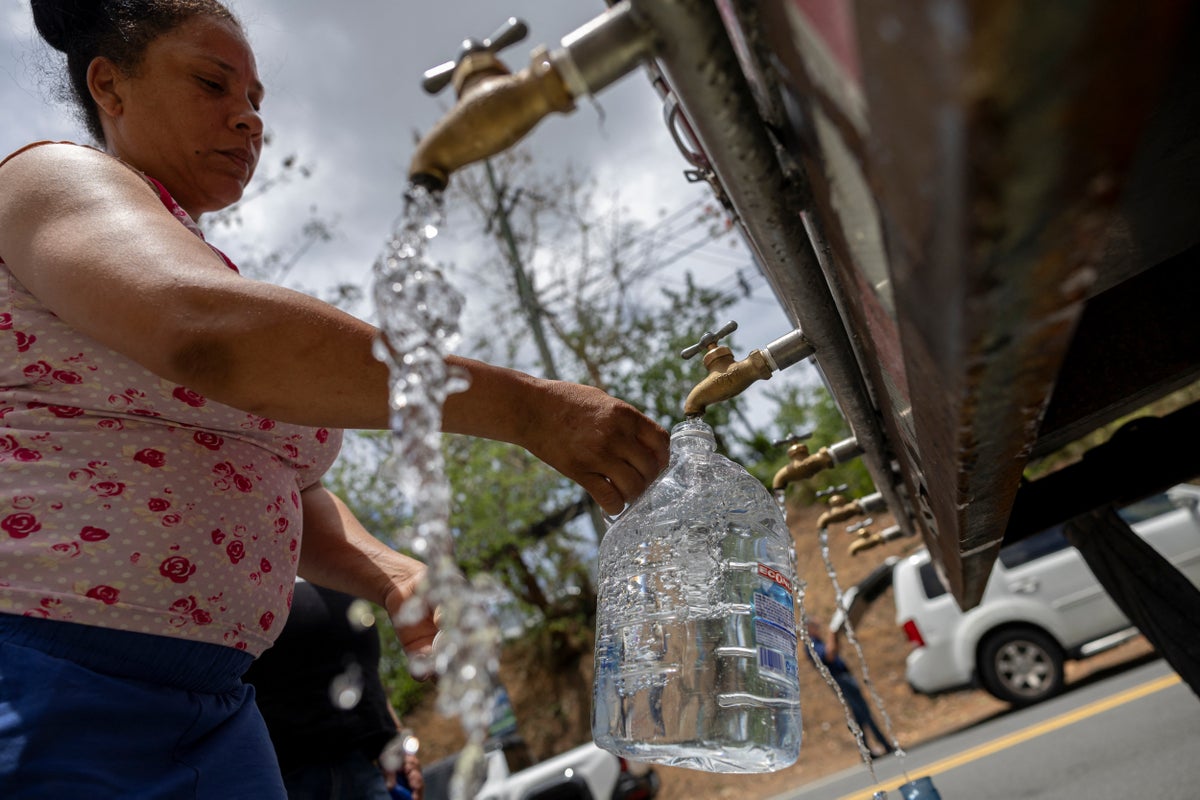
- Water storage is non-negotiable. Keep as much water as possible on hand. Fill every pot, bottle, and bathtub when the pressure is high. Once the pumps stop, you have a very limited window before you’re relying on trucked-in water.
- Get off the main grid. If you can afford a portable generator, get one. But remember that fuel is just as hard to find as electricity during a crisis. If you can’t do a generator, go for high-capacity battery stations. They are silent, they don't produce carbon monoxide, and they can keep a computer or a few lights running.
- Build a community network. You won't survive alone. Know your neighbors. If your building has a shared basement, turn it into a communal space. Keeping one room warm for ten people is way more efficient than ten people trying to keep ten different rooms warm.
The strategy of targeting infrastructure is designed to drain hope. Don't fall for it. Prepare, adapt, and keep your systems as localized as possible. The winter will be hard, but the ability to keep your basic needs met is your strongest form of resistance. Get the supplies now, because when the first major freeze hits, the shelves will be empty.