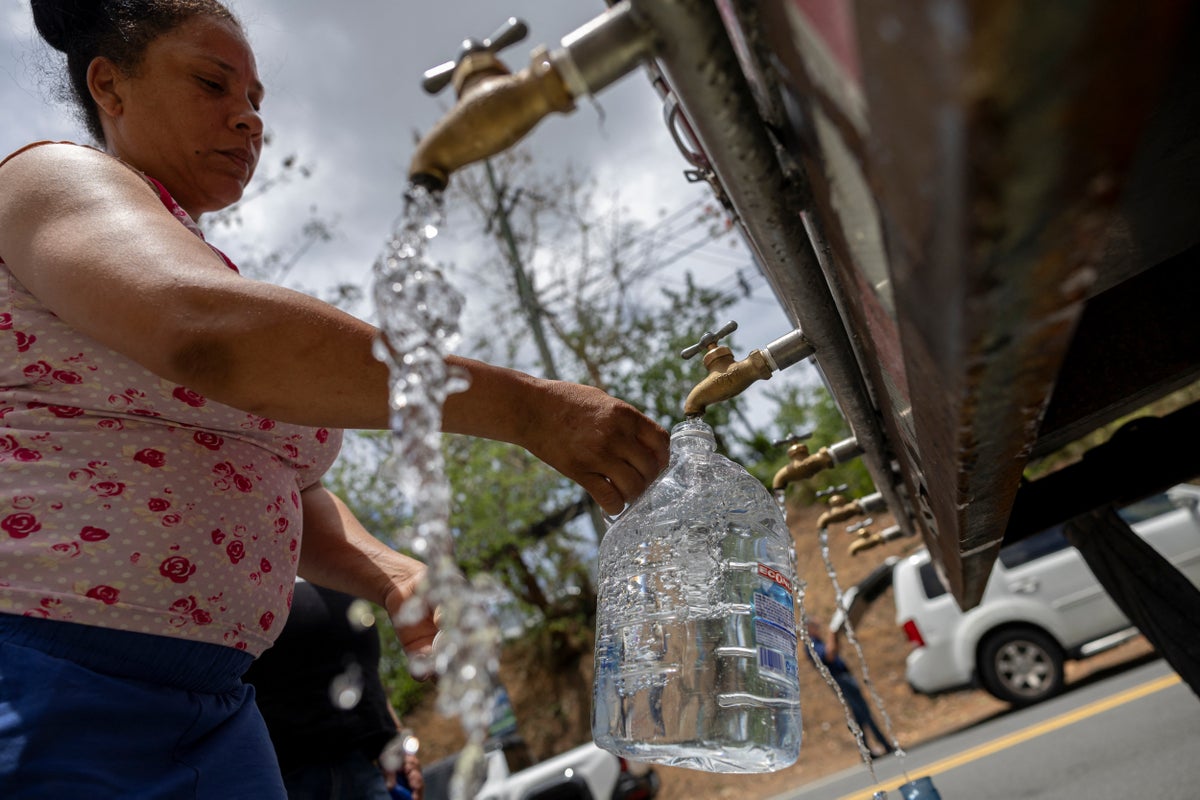
If you live in San Juan, the sound of a dry kitchen faucet isn't a shock. It's a Tuesday. It’s a recurring, exhausting part of life. While headlines scream about drought and emergency rationing, the reality on the ground is far grimmer. The water crisis in Puerto Rico didn't start with a dry summer. It didn't start with the latest government announcement. It started years ago, fueled by crumbling infrastructure and an agency that seems allergic to transparency.
When officials blame the weather for the current rolling outages, they’re telling you half the story. The drought is real, yes. July 2026 was bone-dry. But blaming the sky is an easy way to dodge responsibility for what’s happening beneath the pavement.
The Illusion of a Functioning Utility
The Puerto Rico Aqueduct and Sewer Authority (PRASA) runs the show. On paper, it’s a standard utility. In reality, it’s a system leaking money and water at a pace that would bankrupt a private firm in months.
Here is the hard truth that doesn't make it into official press releases. Nearly half of the water produced by the utility never reaches a customer. Let that sink in. Half. It isn't being drunk, showered with, or used to wash dishes. It’s bleeding into the dirt through 15,000 miles of aging, neglected distribution lines.
We are talking about hundreds of millions of gallons vanishing every single day. While the utility struggles to keep the lights on and the pipes pressurized, the fiscal board reports that leak detection investments have resulted in a pathetic six percent reduction in water loss since 2019. If you ran your business with that kind of efficiency, you’d be out of business.
Why Trust Is at an All Time Low
You can’t talk about Puerto Rico’s water without addressing the deep-seated lack of trust. It isn't just about the water stopping; it's about what happens when it finally turns back on.
Many residents have horror stories. They talk about water that arrives smelling like sulfur or metallic gunk. They mention cloudy, discolored liquid that looks like it came from a construction site, not a treatment plant. When your tap water makes you fear for your health, you stop drinking it. It’s that simple.
Research involving households in regions like Loíza and Comerío reveals a staggering trend. A majority of residents flat-out refuse to trust the faucet. They buy bottled water, even when they’re struggling to make ends meet. They boil tap water as a ritual, only to find the taste still off-putting. Some have given up entirely. They see the bill arrive for a service they don't use, and they pay it anyway because they have no other choice.
This isn't just anecdotal. Data from the Environmental Protection Agency has historically flagged dozens of Puerto Rican municipalities as serious violators. When the government agency in charge of your water is constantly under fire for compliance issues, you don't need a public relations campaign to fix the problem. You need clean, reliable service.
The Money Pit of Disaster Recovery
So, where is the money? Why hasn't this been fixed?
The answer is as frustrating as the outages themselves. The island relies heavily on federal disaster recovery funds, primarily from FEMA. However, FEMA’s system is designed for reconstruction, not maintenance. It prioritizes big-ticket items like treatment plants.
Meanwhile, the thousands of miles of small, decaying pipes—the ones actually causing the massive water loss—are often left to rot. It’s a classic case of bureaucratic shortsightedness. Billions of dollars are needed to overhaul the distribution and transmission network, yet the funding trickle is slow, procedurally complicated, and often misdirected.
The utility’s debt is staggering. With billions in long-term debt and annual revenues that barely cover operating costs, PRASA is essentially trapped. It’s a vicious cycle where the system can't afford to be fixed, and the lack of a fix makes it impossible to gain the public trust necessary to demand higher rates or better support.
What Needs to Change Right Now
Fixing this mess won't happen overnight. But pretending it’s just a weather problem is a lie that keeps the status quo alive.
- Independent Oversight: The island needs an independent water regulator. Relying on the utility to police itself has been a disaster. Residents need a body that tracks real-world service outages, not just internal reports that hide the severity of the infrastructure failures.
- Focus on Distribution: The obsession with massive, shiny new projects needs to stop. The focus must shift to leak detection and pipe replacement in the neighborhoods where the water is actually being lost. Small pipes matter.
- Transparency: PRASA needs to provide real-time, accurate data on water quality and service status for every municipality. People deserve to know what they are paying for.
The next time you hear about a drought, remember that the dry tap in a San Juan kitchen is the result of years of neglect. It’s a failure of policy, funding, and basic maintenance. Until the priorities shift from superficial fixes to the invisible, broken veins of the city, the cycle of rationing will continue.
Don't wait for a government announcement to plan for the next outage. The system is still broken. Prepare your backup, store your water, and keep the pressure on. The only way to stop the bleeding is to hold the people in charge accountable for the reality they refuse to acknowledge.


