For thirty years, the world wondered who killed Tupac Shakur. Conspiracy theories filled the void. Movies were made. Podcasts ran for hundreds of hours. Now, finally, the justice system is attempting to move past the speculation. The murder trial of Duane "Keffe D" Davis began this week in Las Vegas, and it’s stripping away the myths to focus on a brutal, cold reality: revenge.
Prosecutors aren't trying to prove Davis pulled the trigger. They’ve made that clear from the start. Instead, they are positioning him as the orchestrator—the man who allegedly directed a drive-by hit in retaliation for a casino brawl that happened just hours earlier.
The Night the Music Died
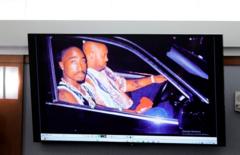
If you want to understand the current trial, you have to look at September 7, 1996. It wasn’t just a night out. It was a pressure cooker. Tupac and his entourage, led by Marion "Suge" Knight, had attended a Mike Tyson fight at the MGM Grand. Video evidence played for the jury shows a confrontation between Tupac’s group and Orlando "Baby Lane" Anderson, who was Davis’s nephew.
It was a classic street fight. It escalated quickly. And that, according to the state, was the spark.
The prosecution’s narrative is direct. Davis spent the next two hours planning his move. He allegedly gathered a crew, secured a weapon, and went hunting. When they spotted Tupac’s vehicle on the Las Vegas strip, they didn't hesitate. They pulled up, opened fire, and changed music history forever.
Why This Trial Is Different
Most people think trials are about finding a "who-done-it." This one is different because the defendant spent years talking himself into a corner. Davis didn't just keep quiet like most gang figures. He wrote a book. He did interviews. He went on podcasts. He basically gave the prosecution the roadmap to his own life sentence.
Now, his defense team is scrambling to walk those statements back. They are arguing that he was just a guy trying to make a buck—that he exaggerated his role to sell books and gain notoriety. It's a tough sell to a jury, especially when you consider the sheer volume of his admissions.
The Witnesses Speak
The court heard from Garry Dale, a retired Las Vegas police officer. He was the guy who pulled over Tupac and Knight shortly before the shooting. He described the interaction as "congenial." He wasn't stopping them for a hit—he was stopping them for a missing license plate.
Ten minutes later, he was responding to a shooting call. He found the rapper fighting for his life. When Dale urged Tupac to name his attacker, the rapper famously replied, "No, we'll take care of it."
That one sentence tells you everything you need to know about the atmosphere. It wasn't about the police. It was about the code of the streets. Ingrid Stokes, another witness who was near the scene, testified to that same fear. She talked about the "snitches get stitches" culture that kept people silent for three decades. She heard the gunfire, saw the chaos, and realized that talking to the cops was a dangerous game.
The Problem With Old Evidence
The defense has a point, though. Investigating a thirty-year-old crime is a mess. There’s no murder weapon. There’s no clear, high-definition security footage of the gunman. The entire case rests on memory, audio clips from years ago, and a defendant who claims he lied to get famous.
Is that enough for a conviction?
That’s what the jury has to decide. The legal standard for "beyond a reasonable doubt" is high. If the defense successfully paints Davis as a storyteller rather than a mastermind, the prosecution might have a massive problem. But if the jury sees the "act of revenge" motive as concrete, the verdict could be the end of a long, dark chapter.
What Comes Next
We are looking at about a month of courtroom drama. You’re going to hear more from former detectives and associates. You’ll probably see more clips of Davis bragging about his past.
Don't expect a sudden, magical revelation that settles every conspiracy theory. This isn't a Hollywood movie. It’s a messy, difficult, and long-overdue legal proceeding. If you're following this, keep your eyes on the testimony regarding the "proffer" agreement—the legal deal Davis thought protected him. That’s where the real fight is happening.
The trial is underway. The truth, or at least the legal version of it, is finally on the record. For the music industry and the families involved, the outcome won't undo the past, but it might finally put a period at the end of a very long, very sad sentence.