The recent diplomatic friction between India and Bangladesh proves one thing. Neighbors don’t always get along. Right now, the relationship is hitting a classic bureaucratic wall. It's messy. It’s complicated. And it’s not going away anytime soon.
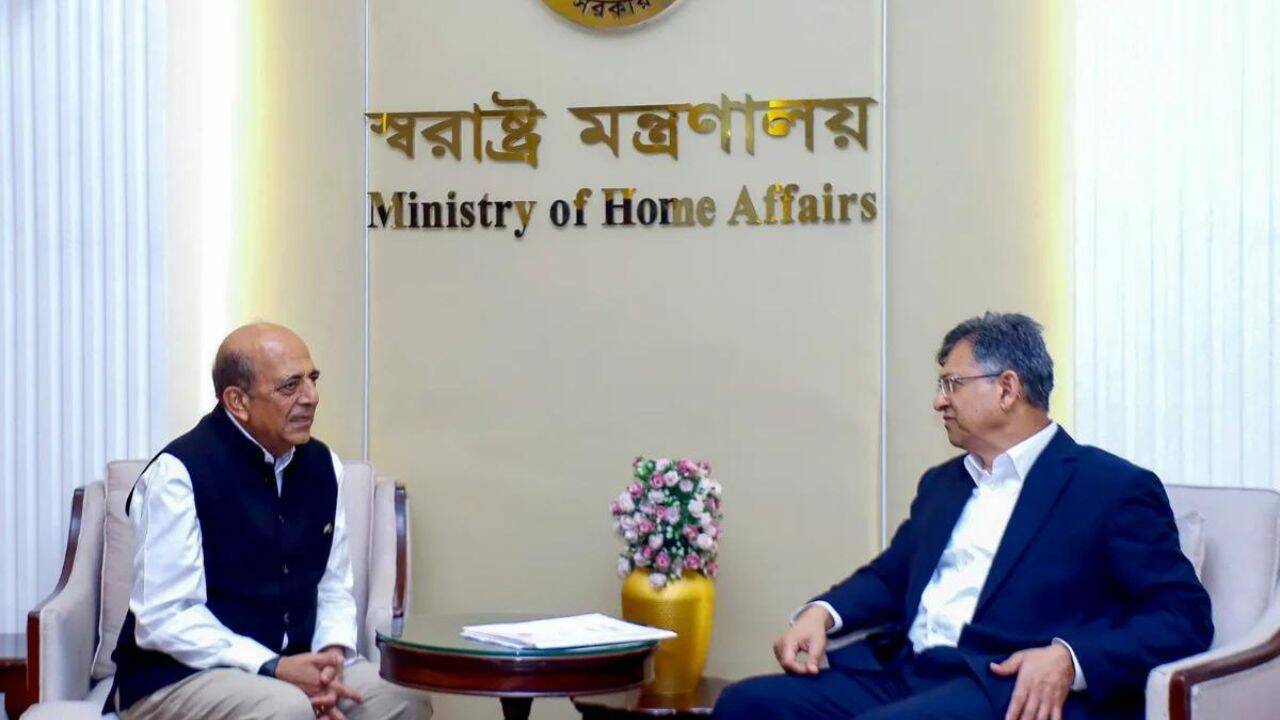
Indian High Commissioner to Bangladesh, Dinesh Trivedi, recently went on record to stress that talks are the only way forward. He’s right, but there’s a catch. Diplomacy requires two sides willing to play by the same set of rules. As of mid-August 2026, those rules are being contested.
The Extradition Hurdle
The core issue isn't just about scheduling a flight or a photo-op for Bangladesh Prime Minister Tarique Rahman. It’s about legal and political baggage. Dhaka has made it clear that a bilateral visit to New Delhi comes with strings attached. They want movement on the extradition of former PM Sheikh Hasina and other fugitives.
New Delhi sees it differently. They aren't exactly itching to hand over high-profile political figures on demand. This isn't just a legal request. It’s a sovereign stand-off. When one nation demands a head and the other keeps a door shut, progress stalls.
Democracy Means Messy Challenges
Trivedi famously remarked that challenges are an inherent part of democracy. He’s hitting on a broader point here. If everything was smooth, we wouldn't need diplomats. We’d have automated systems handling trade and security.
I’ve seen this play out in international relations for years. The "dream" of two countries sharing a border and a vision is nice for press releases. Reality is usually a lot grittier. When you have two sovereign states with competing national interests, friction is the default state, not the exception.
Why Economic Ties Remain The Real Engine
While the politicians squabble, the business world keeps moving. A delegation from the Confederation of Indian Industry (CII) arrived in Dhaka this week. This is actually more important than the diplomatic back-and-forth for the average citizen.
Businesses hate uncertainty. They want predictable trade corridors, stable power supply, and clear regulations. Even when the political atmosphere is cold, economic integration often forces a thaw. If the political leadership doesn't figure out a path to the table, expect the business community to lobby even harder. Money talks louder than political posturing.
The Strategy Behind The Stance
Why is Dhaka linking the visit to extradition? It’s a power move. By setting a hard condition for the PM’s visit, they are signaling to their domestic audience that they aren't just an extension of Indian policy. They are staking a claim to sovereign agency.
New Delhi, meanwhile, is playing a waiting game. They understand that regional stability is paramount. However, they aren't going to sacrifice their own strategic positioning for a quick diplomatic win.
What To Expect Next
Don't hold your breath for a sudden, magical resolution. These things take time. Expect the following:
- Back-channel maneuvering: Public statements are one thing. The real work happens in the shadows, away from the cameras.
- Economic pressure: Business delegations will continue to push for connectivity projects.
- Public posturing: Expect both sides to keep using tough language to satisfy their domestic bases.
If you’re watching this for a breakthrough, look for the quiet, non-televised meetings between lower-level officials. Those are the real indicators of progress. The high-profile summits are just the final acts of a play that has already been written.
Getting Past The Gridlock
The temptation in international relations is to look for a silver bullet. There isn't one. The relationship between India and Bangladesh is too deeply intertwined for a clean break or a simple fix.
The immediate path forward requires a classic "agree to disagree" approach on the most contentious issues while keeping the lights on in other areas. It’s boring, it’s frustrating, and it’s effective.
Stop looking for a dramatic turning point. International diplomacy is a grind. It’s a slow-moving, incremental process of finding tiny overlaps in interest. If you want a result, stop focusing on the inflammatory headlines and watch where the money and the trade infrastructure are going. That is where the actual future of the region is being built.