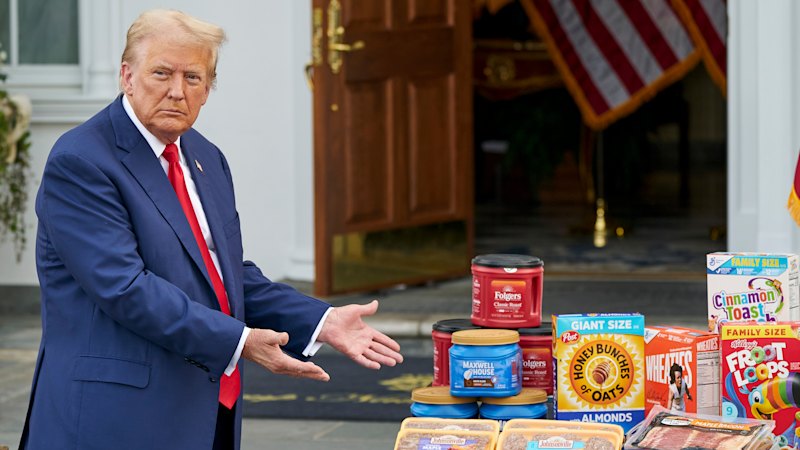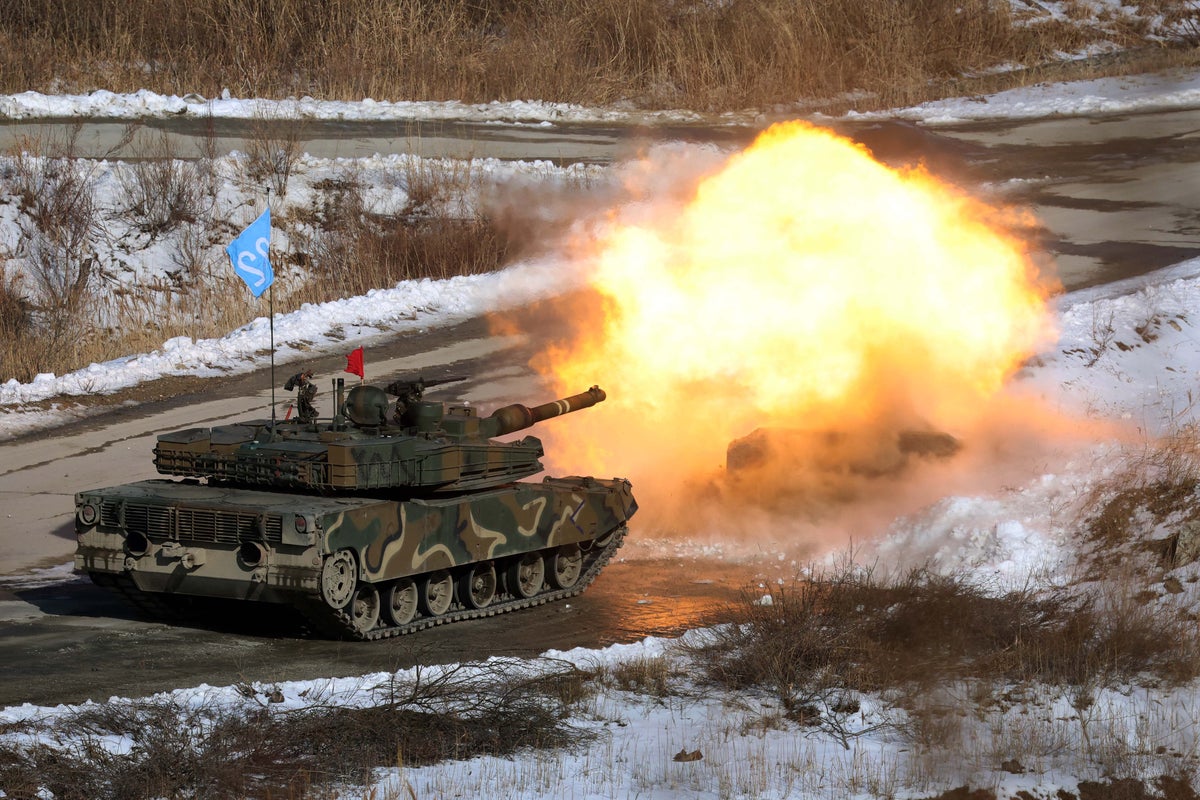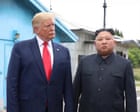
Donald Trump just threw a massive wrench into military planning on the Korean Peninsula. Hours before the annual Ulchi Freedom Shield exercises were scheduled to launch, the president ordered Defense Secretary Pete Hegseth to substantially scale back the joint drills. His reasoning? A self-professed "very good relationship" with North Korean leader Kim Jong Un.
For military commanders in Washington and Seoul, the timing couldn't be worse. Troops were already locked into place for exercises involving roughly 18,000 South Korean personnel alongside US forces and international contingents. Yet Trump took to social media to declare that the massive training maneuvers sent a signal that was "totally inappropriate and hostile" to a regime that he claims has remained respectful during his presidency.
The Real Motivations Behind the Drill Cuts
You don't have to look hard to spot the compounding pressures driving this sudden pivot. Trump's decision wasn't born in a vacuum. It ties directly into two separate geopolitical friction points: ongoing frustrations over foreign alliances and a lingering desire to restart direct diplomacy with Pyongyang.
Trump didn't hide his annoyance with Seoul on multiple fronts. Alongside his cozy rhetoric regarding Kim Jong Un, he pointedly aired grievances about South Korea declining to participate in US-led initiatives aimed at the denuclearization of Iran. It is a classic Trump maneuver: mixing transactional diplomacy with sudden operational changes to force an ally's hand.
South Korea's presidential Blue House responded cautiously, stating they were reviewing the directive while holding out hope that renewed US-North Korea rapport might spark genuine peace talks. But regional experts aren't buying the diplomatic optimism.
Ignoring Modern Battlefield Realities
The decision to gut these military exercises ignores critical warnings from intelligence and defense officials. Just days prior to the announcement, military leaders stressed that this year's Ulchi Freedom Shield drills needed to be sharper than ever. Why? Because North Korea hasn't just sat quietly; troops from Pyongyang have actively gained contemporary combat experience fighting alongside Russian forces in Ukraine.
Commanders integrated vital lessons from the Ukraine conflict into this year's scenario—focusing heavily on drone warfare, GPS disruption, and advanced cyber attacks. Scaling back US participation means slowing down essential training readiness at a time when North Korea's military capabilities are evolving rapidly.
Analysts in Seoul point out the glaring disconnect. Leif-Eric Easley, a professor at Ewha Womans University, noted that the cost savings from downsizing these drills are marginal at best, while the damage to alliance coordination and military deterrence is immediate.
What Pyongyang Actually Wants
If Trump thinks a partial rollback of military drills will win over Kim Jong Un, he is likely miscalculating. Pyongyang views the entire apparatus of US-South Korean military cooperation as an existential threat and an invasion rehearsal.
North Korea experts like Lim Eul-chul have made it clear that the Kim regime won't view a scaled-down exercise as a meaningful concession. Short of a total, permanent cancellation of all joint military posture, Pyongyang has little incentive to alter its nuclear trajectory—especially now that its partnership with Moscow is paying substantial strategic dividends.
By unilaterally overriding his own military leadership to appease an adversary, Trump risks fracturing trust with Seoul while giving North Korea a free pass to continue modernizing its arsenal. The exercises may have shrunk, but the long-term security risks for the region just got significantly larger.