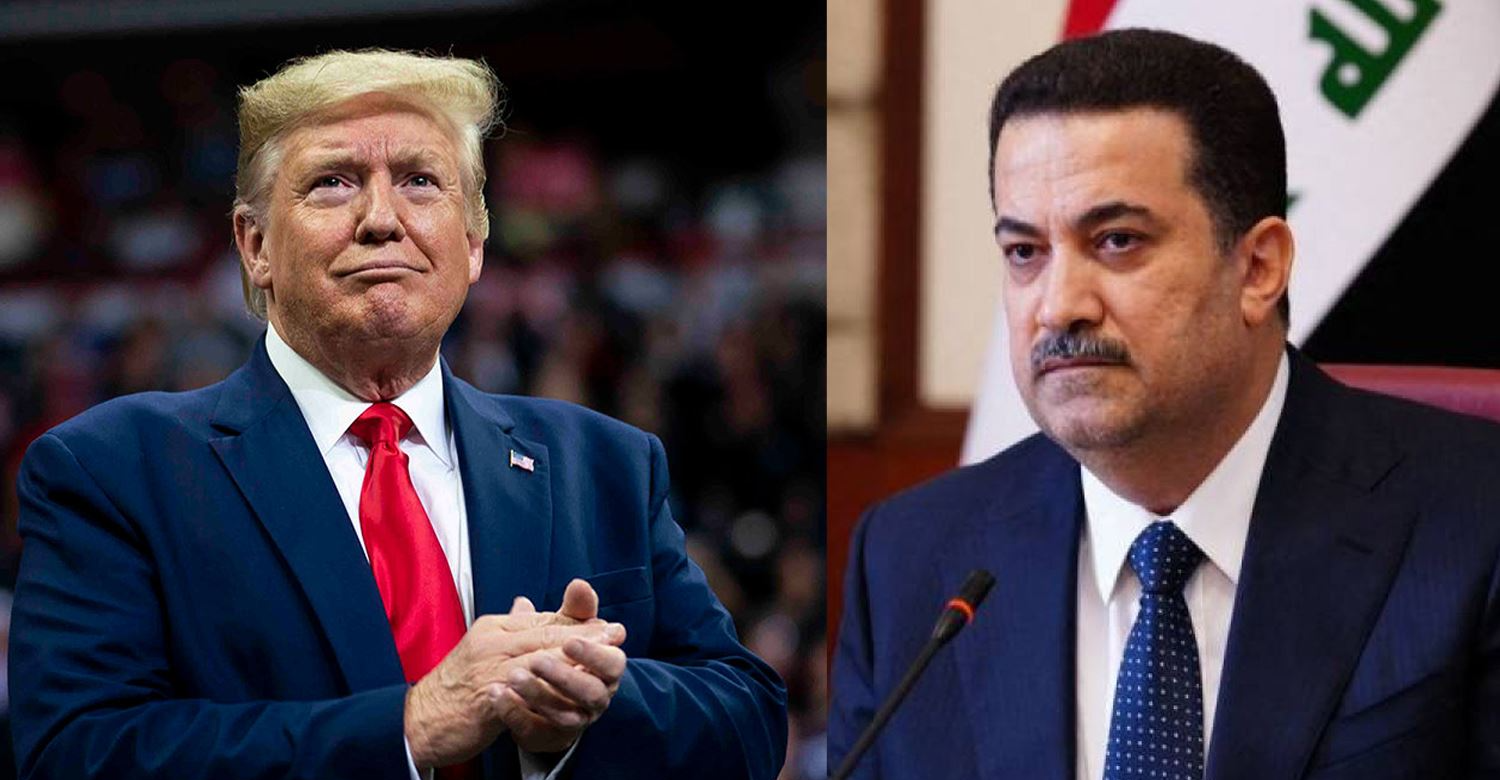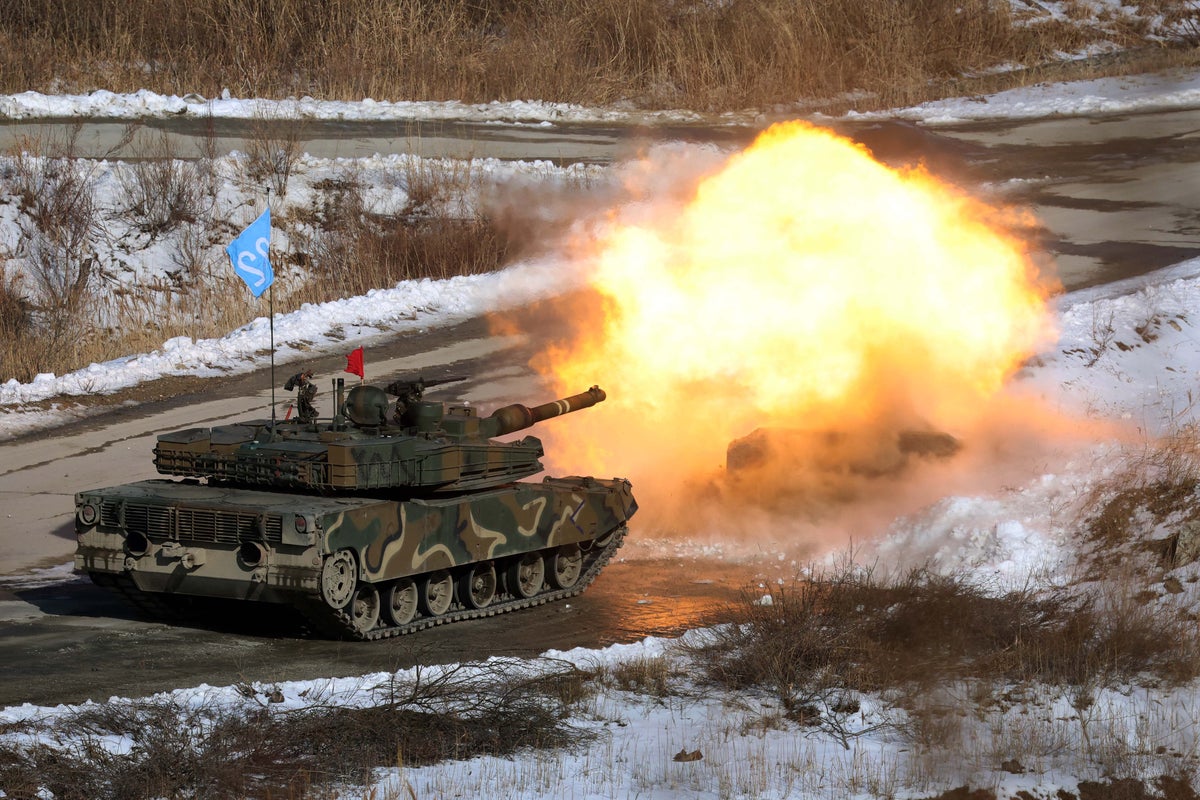
Foreign policy surprises rarely come with much warning, but Donald Trump's latest directive caught regional defense planners completely flat-footed. Just hours before the 11-day Ulchi Freedom Shield exercises were scheduled to launch with 18,000 South Korean troops and allied personnel, Trump took to social media to order the Pentagon to pull back. His stated reasons? A warm personal rapport with North Korean leader Kim Jong Un and outright frustration with Seoul's refusal to back Washington's ongoing military campaign against Iran.
If you are wondering why an annual readiness check designed to counter Pyongyang's nuclear ambitions is suddenly on the chopping block, you have to look at the intersection of personal diplomacy and transactional geopolitics. Trump made it clear that he views these long-standing war games as costly and unnecessarily provocative.
The Real Drivers Behind the Sudden Rollback
Timing is everything in international relations. Announcing a major reduction right as troops are lacing up their boots is a deliberate shock tactic. Trump explicitly blamed two distinct grievances in his public statements:
- The Personal Diplomacy Factor: Trump leaned heavily on his professed friendship with Kim Jong Un, arguing that joint maneuvers send a hostile message to a regime that has refrained from major provocations during his tenure.
- The Iran Friction: Trump revealed that he recently asked South Korea to pitch in on U.S. efforts regarding the denuclearization of Iran, only to be met with a flat refusal.
Seoul's defense ministry responded by stating that the drills would proceed as scheduled, creating an immediate friction point between allied commands.
What This Means for Regional Stability
Military analysts are divided. On one hand, scaling back exercises like Ulchi Freedom Shield undercuts joint readiness at a time when North Korea has been refining its tactical capabilities and deepening ties with Moscow. On the other hand, proponents of engagement argue that freezing provocative exercises opens a rare window for renewed dialogue.
Pyongyang, however, tends to view half-measures with suspicion. Historically, North Korean state media demands total cancellation, meaning a scaled-back exercise might not buy Washington much goodwill in Pyongyang anyway.
Keep a close eye on how the Pentagon handles Secretary of War Pete Hegseth's execution of these cuts. The friction between Washington's shifting political priorities and Seoul's immediate security needs is far from resolved.
Watch Why Trump scales down war games with South Korea: Why it matters to see a quick visual breakdown of the sudden policy shift and its immediate regional fallout.
http://googleusercontent.com/youtube_content/1