The recent decision to truncate the Ulchi Freedom Shield military exercises in South Korea wasn't just a scheduling adjustment. It was a clear, top-down directive from President Trump designed to clear the runway for renewed diplomacy with Kim Jong Un. When the commander-in-chief orders a halt to training that serves as the backbone of the U.S.-ROK alliance, it sends shockwaves through the regional security apparatus.
Military drills aren't just for show. They are about muscle memory. They ensure that when a crisis hits, commanders and their counterparts aren't fumbling over communication protocols or integration procedures. By chopping a week off these exercises, the administration is betting that the potential for a breakthrough with Pyongyang outweighs the immediate cost of decreased readiness.
It’s a risky play. I’ve watched enough of these diplomatic cycles to know that if you weaken your position before you even get to the table, you aren't negotiating; you’re conceding.
The Cost of Short-Circuiting Readiness
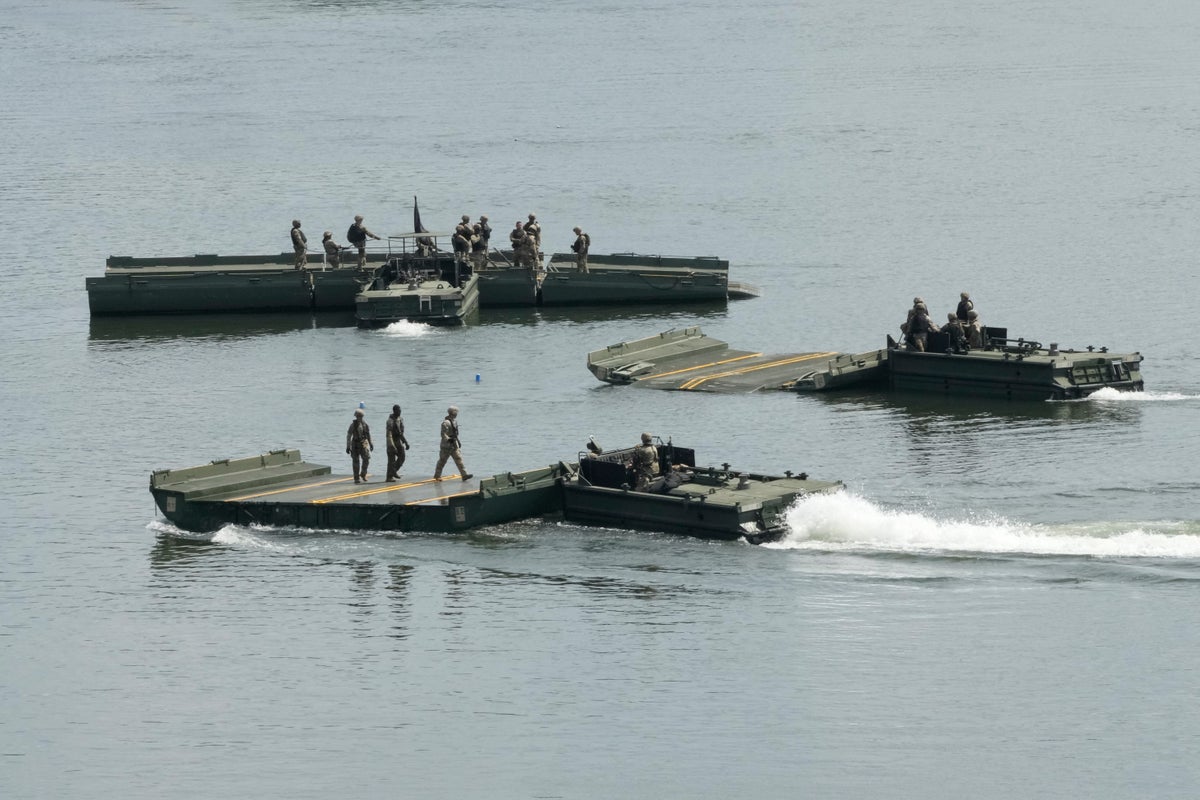
The Ulchi Freedom Shield isn't some small-scale exercise. It’s a massive undertaking involving computer simulations and field training. These exercises are meant to simulate high-stress environments where decision-making is taxed to the limit.
When you suddenly pull the plug on the counterattack phase of these drills, you’re missing a critical piece of the puzzle. It’s the difference between practicing how to block a punch and practicing how to strike back.
Defense analysts have been rightfully vocal about this. Every time we delay, downsize, or cancel these exercises, the degradation of operational readiness is real. Officers rotate in and out of the peninsula constantly. If they don't get the repetition they need, the next group shows up less prepared. This isn't theoretical. It’s practical, ground-level military reality. You don't get better at your job by skipping the hard parts.
Trump's Personal Diplomacy vs. Institutional Strategy
Trump has always operated on the belief that personal rapport can bypass structural gridlock. He calls it a "very good relationship." That might work in real estate, but geopolitics is a different animal.
Look at the record. We had three meetings between 2018 and 2019. The result? A lot of photo opportunities and zero permanent denuclearization. Kim Jong Un isn't a rookie. He’s been consolidating his nuclear program and tightening his military embrace with Russia. He understands the game perfectly. He knows that if he just plays nice for a season, he can gain massive leverage while keeping his arsenal intact.
The South Korean government is currently in a tight spot. They need the U.S. security guarantee, but they also have to signal that they’re on board with the White House's grand strategy. Being kept in the dark until the directive came down is a bad look for a supposed close ally. It erodes trust, and trust is the one thing you can't afford to lose when you’re staring down a nuclear-armed neighbor.
What Happens Next
If the goal is to secure an in-person meeting this autumn, perhaps during the APEC summit in Shenzhen, the administration needs a much clearer plan than just canceling drills.
Here is the reality for anyone watching this closely:
- Sanctions Relief: Pyongyang will demand it. If the U.S. gives it without tangible, irreversible disarmament, the security environment in the Pacific will deteriorate rapidly.
- Nuclear Legitimacy: Every time we treat the North as a rational actor without demanding full transparency, we effectively legitimize their nuclear status.
- Alliance Friction: If Seoul starts to feel that their security is being traded away for a potential photo op, they will begin exploring their own strategic options.
This isn't about being against diplomacy. Diplomacy is essential. But it has to be backed by a position of strength, not a position of manufactured weakness.
The administration wants a win. They want the optics of a breakthrough. But if the cost of that win is the long-term integrity of the Pacific security architecture, it’s a bad deal. Kim Jong Un is waiting. He’s watching. He’s calculating. And he knows exactly how to make the most of an administration that wants a deal more than it wants to prepare for the alternative.
Keep a close eye on the rhetoric coming out of the State Department in the coming weeks. Watch for the specific language they use regarding "denuclearization" versus "arms control." The shift in terminology will tell you everything you need to know about whether we’re actually pursuing peace or just settling for a temporary, fragile quiet.
Don't expect the North to change their behavior just because a few drills were canceled. They’ll take the win, keep the nukes, and prepare for the next round of maneuvering. That is exactly what they have always done.