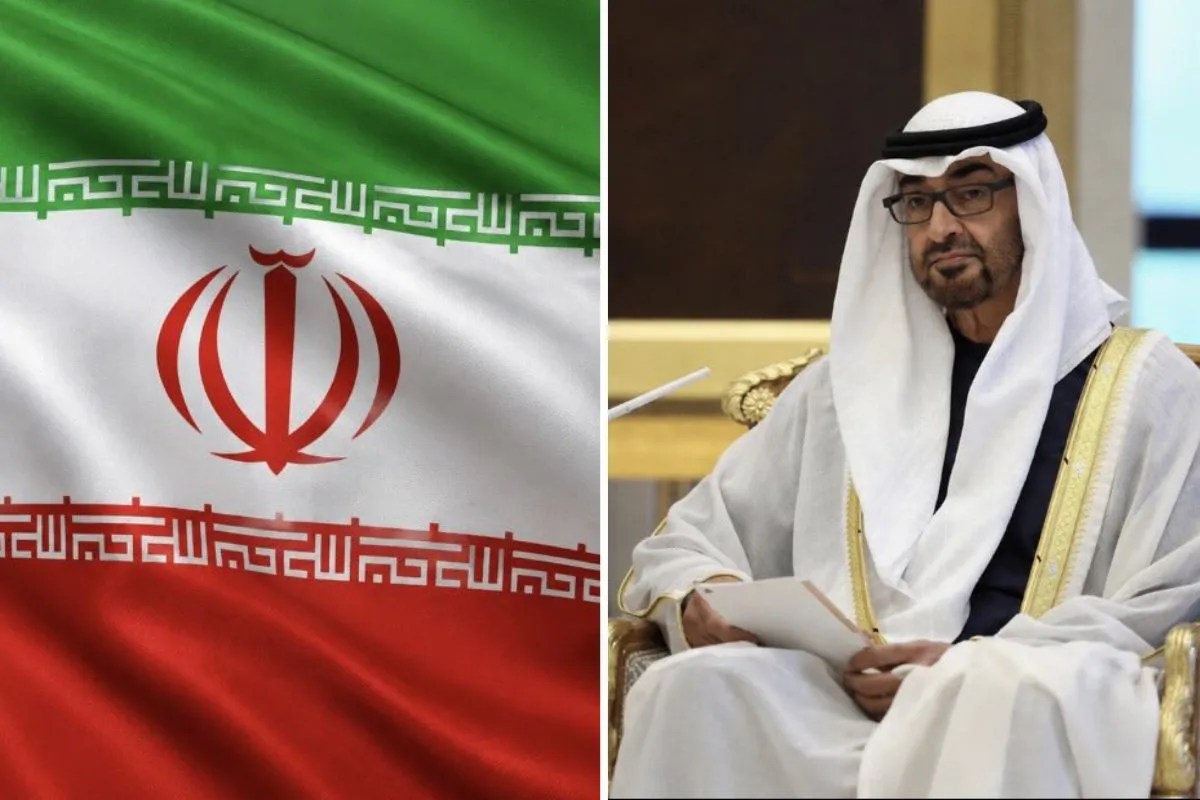
The ground is shifting under our feet in West Asia. If you’ve been watching the headlines, you know the atmosphere has been thick with tension for months. Now, the United Arab Emirates has dropped a hammer: a total suspension of trade and financial transactions with Iran. This isn't just another diplomatic spat. It's a massive escalation that forces every business, investor, and observer to rethink how they operate in the Gulf.
Basically, the UAE isn't playing around. They’ve cut off commercial ties until further notice. This move didn't happen in a vacuum. It follows reports of ballistic missiles being fired toward UAE territory, an act that crosses a bright red line for Abu Dhabi. You have to understand that for years, the UAE and Iran maintained a complex, albeit often strained, economic relationship. Millions of dollars in commerce flowed across the Gulf. That door is now slammed shut.
Why this hit so hard
You might wonder why a trade freeze matters so much. It’s simple: money talks. By cutting off financial channels, the UAE is effectively isolating Iranian commercial interests from one of the most vital financial hubs in the region. Think about the logistics. The UAE serves as a massive re-export center for goods headed into Iran. Shutting this down creates an immediate, painful bottleneck.
I’ve spent enough time watching regional politics to know that when trade stops, military posturing usually follows. The UAE’s move signals they are no longer prioritizing the "business as usual" approach that defined their interactions with Tehran. They are now explicitly prioritizing national security over profit. If you’re a business owner currently trying to figure out your supply chain in the Gulf, you’re already in a tough spot. You need to pivot, and you need to do it yesterday.
The bigger picture of the regional meltdown
This decision doesn't exist alone. West Asia is currently dealing with the fallout from months of tit-for-tat strikes between Iran and a coalition involving the U.S. and Israel. We saw the Strait of Hormuz—a literal juggernaut for global oil—effectively paralyzed earlier this year. That wasn't just a news snippet. It sent shockwaves through energy markets globally.
Some people thought the June memorandum signed in Switzerland would cool things down. They were wrong. The agreement was supposed to offer sanctions relief in exchange for a ceasefire. Instead, we’ve seen a pattern of maritime aggression and localized conflict that makes those signatures look like ink on wet paper.
Let’s be clear about what’s happening:
- Security concerns: Ballistic missile threats are driving policy, not just rhetoric.
- Financial impact: The flow of capital is being weaponized as a tool of statecraft.
- Diplomatic deadlock: Even while the UAE calls for regional stability, the reality on the ground is one of deep, structural distrust.
What you need to know if you're exposed
If you’re invested in this region, you need to stop waiting for things to "go back to normal." Normal is gone. The current environment is one of high-stakes volatility.
- Audit your supply chains. If your goods go through UAE ports to reach Iranian markets, you need an alternative strategy immediately.
- Review your financial exposure. Financial institutions are going to be tightening compliance to a degree we haven't seen in years. If you have assets that could be frozen or caught in the crossfire of these sanctions, move to secure them now.
- Monitor the maritime situation. Any move near the Strait of Hormuz affects everything. If shipping lanes become contested again, insurance costs will skyrocket, and delays will become the standard.
There’s a misconception that these regional conflicts only affect the local players. That’s naive. The energy markets, the shipping lanes, and the international banking system are all tied together. When the UAE takes a stand this aggressive, it tells us that the threshold for conflict in the Gulf has dropped significantly.
The era of expecting a diplomatic quick fix is over. This is about survival, national security, and a total reconfiguration of how states in the region interact with Tehran. If you’re operating in this space, treat every day as if the rules could change by morning.
Don't wait for a clearer signal. The signal is already here. Keep your assets liquid, diversify your logistics partners, and prepare for a long, bumpy road ahead.