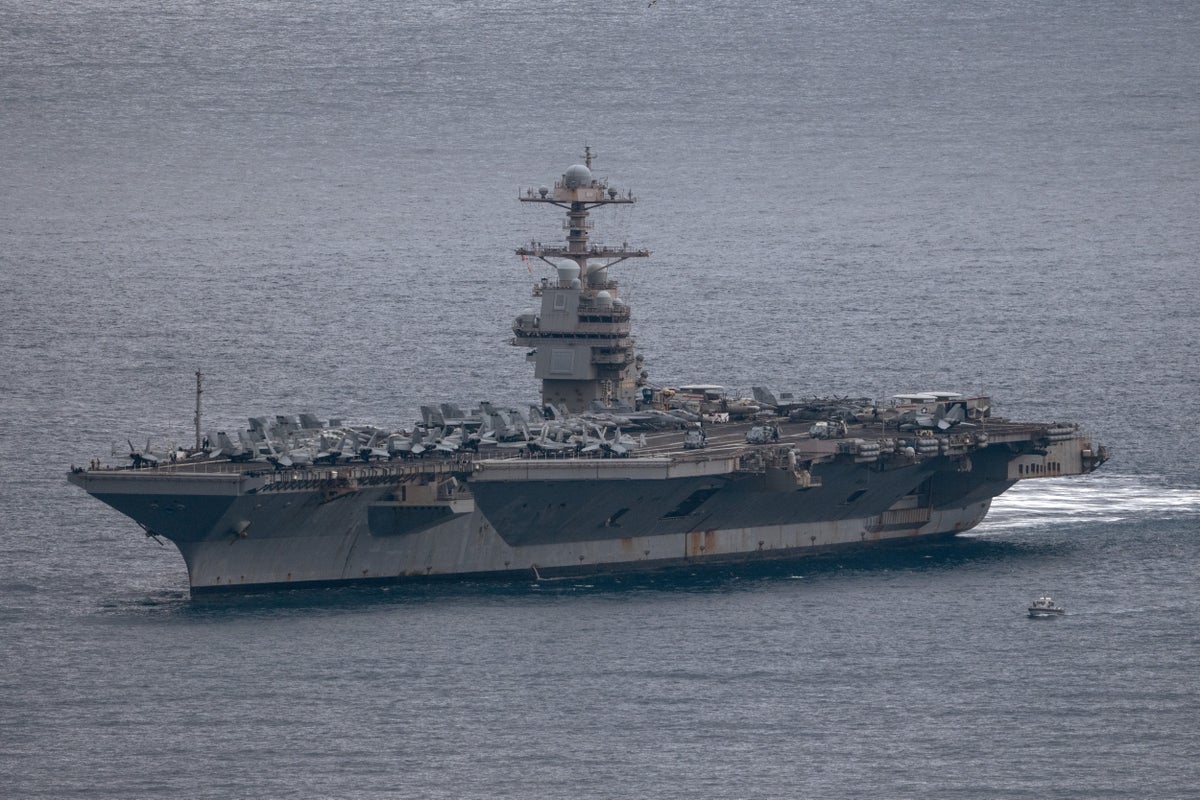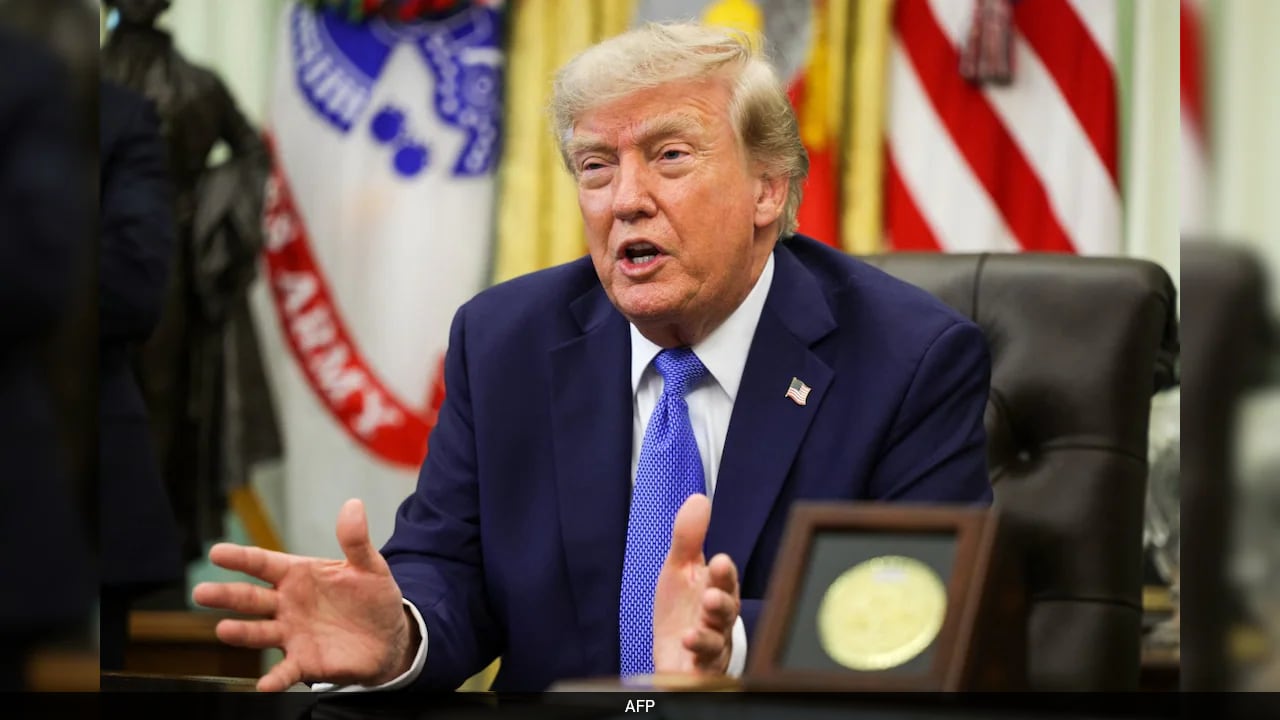
Donald Trump just threw a curveball into the U.S.-South Korean alliance. On August 16, 2026, he announced via social media that he’s ordered the Pentagon to "substantially reduce" the joint military exercises known as Ulchi Freedom Shield.
If you're wondering why this matters, it’s not just about the drills. It’s about the signal. Trump explicitly cited his "very good relationship" with North Korean leader Kim Jong Un as a primary reason. He called the annual exercises "hostile" and "costly," signaling a major shift in how the administration views the threat—or lack thereof—from Pyongyang.
The Iran Connection
Here is the part most mainstream reports gloss over. Trump didn’t just wake up and decide to cut these drills. He’s clearly frustrated with South Korean President Lee Jae Myung.
The President publicly admitted he asked Seoul to help with the U.S. conflict in Iran, specifically regarding denuclearization efforts. When the South Korean government declined, Trump’s reaction was blunt. He essentially linked their refusal to support American goals in the Middle East to his decision to scale back military support on the Korean Peninsula.
It’s a transactional approach. Trump views global alliances through the lens of what each country does for the U.S. If you aren't helping in the Strait of Hormuz, he argues, why should the U.S. spend billions guarding your border?
Why These Drills Matter
For decades, Ulchi Freedom Shield has been the backbone of the alliance. We aren't talking about a casual weekend training event. These exercises involve thousands of troops, computer-simulated command-post training, and field drills designed to test the ability of South Korean and U.S. forces to respond to a full-scale invasion.
Military commanders have always maintained that these exercises are purely defensive. North Korea, predictably, calls them a "rehearsal for a war of aggression." By echoing that sentiment—calling them "inappropriate and hostile"—Trump is breaking with traditional U.S. military strategy.
The Reality of the North Korean Threat
Does this make the region safer? That’s the big question.
Critics, including some members of the Senate Armed Services Committee, are calling this "shortsighted." They’re right to be concerned. North Korea isn't just sitting idle. They’ve been busy. They’ve been trading weapons with Russia to support the war in Ukraine, effectively learning new battlefield tactics and gaining a fresh revenue stream.
North Korea's leader, Kim Jong Un, has explicitly rebranded the South as the "primary foe." The border has been a mess of trash-laden balloons and propaganda-heavy loudspeakers. In this climate, scaling back readiness drills feels like a gamble.
What This Means for You
If you’re watching the geopolitical situation, keep an eye on three things:
- The Pentagon's Response: Defense Secretary Pete Hegseth has been tasked with the reduction. Watch how the military actually scales back. "Substantially reduce" is vague. Will they cut the simulations? The live-fire events? The number of personnel? The details will tell us how much actual deterrent capability is being sacrificed.
- Allied Anxiety: Japan and South Korea rely heavily on the U.S. security umbrella. Moves like this breed uncertainty. If Seoul feels they can't rely on the U.S. for defense, they might eventually consider their own nuclear options. That would change the entire security architecture of the Pacific.
- The Kim-Trump Dynamic: Trump has consistently prioritized his personal rapport with Kim over the concerns of his own intelligence agencies or regional allies. He’s banking on the idea that personal friendship can prevent a conflict that decades of sanctions couldn't solve.
Basically, we’re witnessing a real-time experiment in personal diplomacy. Trump thinks the North is unthreatening because he and Kim are on speaking terms. History suggests that nuclear-armed regimes don't usually base their long-term military ambitions on how much they like the U.S. President.
This isn't just a budget cut. It’s a message that the era of automatic, unconditional U.S. military support for allies is over. Watch the next few weeks closely. The North Korean response to these reduced drills will show us whether this "friendship" actually buys stability or just buys time for the North to solidify its position.
Don't expect the Pentagon to move quickly. These drills started Monday as scheduled. The change will be gradual, but the precedent is now set. The U.S. security commitment to the Peninsula is officially on the table for negotiation.