You leave your homeland to escape a prison sentence, a firing squad, or total state surveillance. You cross oceans. You build a quiet life in a democratic capital thousands of miles away. Then, a knock comes at the door. Or worse, a bullet.
This is the grim reality of transnational repression today. Authoritarian regimes don't stop at their own borders anymore. They reach across continents to silence critics, tracking dissidents into exile and proving that the modern world has shrunk into a place where nowhere is truly safe. Meanwhile, you can find other developments here: Why Unstoppable Glacier Melt And Sea Level Rise Demand Action Right Now.
Let's look at how this happens, who is driving it, and why democratic governments are failing to stop it.
The Global Reach of Authoritarian States
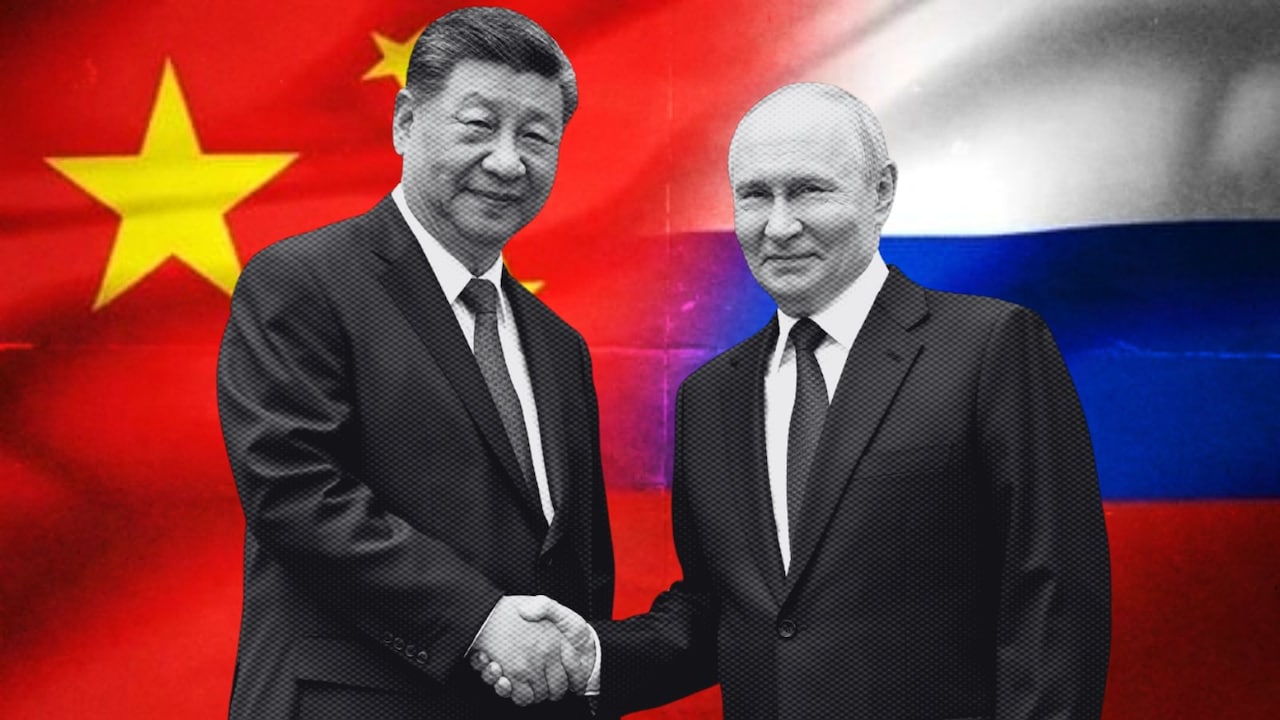
Beijing remains the masterclass practitioner of this dark art. When human rights conferences happen—even small, obscure gatherings halfway across the world—Chinese diplomats scramble to shut them down. They pressure local legislatures, intimidate venue owners, and harass organizers. To see the complete picture, check out the recent analysis by The Guardian.
Freedom House documents hundreds of physical attacks, digital stalkings, and forced repatriations orchestrated by China against Uyghurs, Tibetans, Hong Kong activists, and Taiwanese figures. Exiles vanish in transit hubs like Dubai. Students studying abroad find their families back home dragged into police stations as collateral.
China isn’t working alone. Moscow and Hanoi sit close behind on the leaderboard of cross-border harassment, but the playbook has metastasized globally. At least fifty-four countries now use these tactics.
Latin America used to offer a safe harbor for political refugees. Not anymore.
Consider what happened in Costa Rica, where exiled Nicaraguan dissidents have been gunned down in broad daylight. Look at Santiago, Chile, where an exiled Venezuelan military officer was kidnapped and murdered, his body buried under concrete in a chilling execution ordered from Caracas.
Authoritarian states are outsourcing violence to local criminal gangs or intelligence proxies, giving themselves convenient deniability while leaving bodies in foreign streets.
Why Host Countries Are Looking the Other Way
You would expect democratic nations to draw a hard line against foreign agents murdering or kidnapping people on their soil. Sometimes they do. U.S. and British courts have recently convicted members of foreign hit squads and spy rings plotting against journalists and activists.
These convictions are rare exceptions. Most of the time, host governments quietly enable the very abuse they claim to abhor.
Immigration policies are broken. Western democracies regularly deport dissidents back to the exact regimes they fled, trading human lives for geopolitical convenience or stricter border numbers. Governments prioritize trade deals, energy supplies, and diplomatic harmony over basic human rights protections.
When foreign officials walk into domestic immigration detention centers to interview asylum seekers, the system has completely collapsed. Exiles are treated as administrative nuisances rather than human beings running for their lives.
What Protecting Exiles Actually Requires
Fixing this crisis demands more than sternly worded United Nations resolutions or diplomatic wrist-slaps.
Democracies need to start imposing real costs on foreign officials who order these operations. That means sweeping visa bans, asset freezes, and the immediate expulsion of intelligence operatives caught stalking dissidents.
Intelligence agencies must share threat data openly with local police departments so that exiled journalists and activists receive actual protection instead of empty warnings. Most importantly, border agencies must stop treating political refugees as security threats to be shipped back to authoritarian executioners.
The illusion of sanctuary is fading fast. If democratic nations keep trading away their values for cheap political convenience, a world without refuge will become the permanent global normal.