A 575-foot cargo vessel named the Dubai Tower recently wrapped up a three-week voyage from Qingdao to Teesport in England. That transit sounds normal on paper. But the path it took changes everything. Instead of looping around the Middle East—a 36-day trek typically taken during winter months—the ship blasted straight across the top of the world via the Northern Sea Route.
You see, everyone is talking about speed. They think this is just another logistics hack to bypass congested waterways or avoid conflict zones. Meanwhile, you can read similar stories here: Why China Is Turning Overseas Travel Back Into A Controlled Privilege.
They are missing the bigger picture.
Beijing calls itself a near-Arctic state. Geography says otherwise since China sits roughly 1,300 kilometres south of the Arctic Circle. Yet, the terminology is shifting from diplomatic posturing into hard reality. When a container ship loaded with electric vehicles and batteries hugs Russia's northern coastline, it signals a massive geopolitical shift. To see the bigger picture, we recommend the excellent report by Reuters.
The Logistics Reality Check
Let's be honest about the route itself. The Northern Sea Route is not an open highway ready to replace traditional shipping lanes next Tuesday.
It is brutal. It is narrow. It is frozen for most of the year.
Cargo companies can only realistically use this shortcut during August and September, with brief windows scraping into July or October if conditions permit. Ships require heavy icebreaker support to survive the punishing conditions of the Arctic Ocean. Insurance costs skyrocket because the infrastructure simply isn't there if something goes wrong in the middle of nowhere.
If it's so expensive and risky, why bother?
Because the motivation runs far deeper than shaving off a few thousand kilometers of travel distance.
Buying Influence Along the Polar Silk Road
Beijing has eyed the Arctic since the 1990s, starting quietly with scientific research expeditions before scaling up to heavy-duty maritime ambitions. They call it the Polar Silk Road.
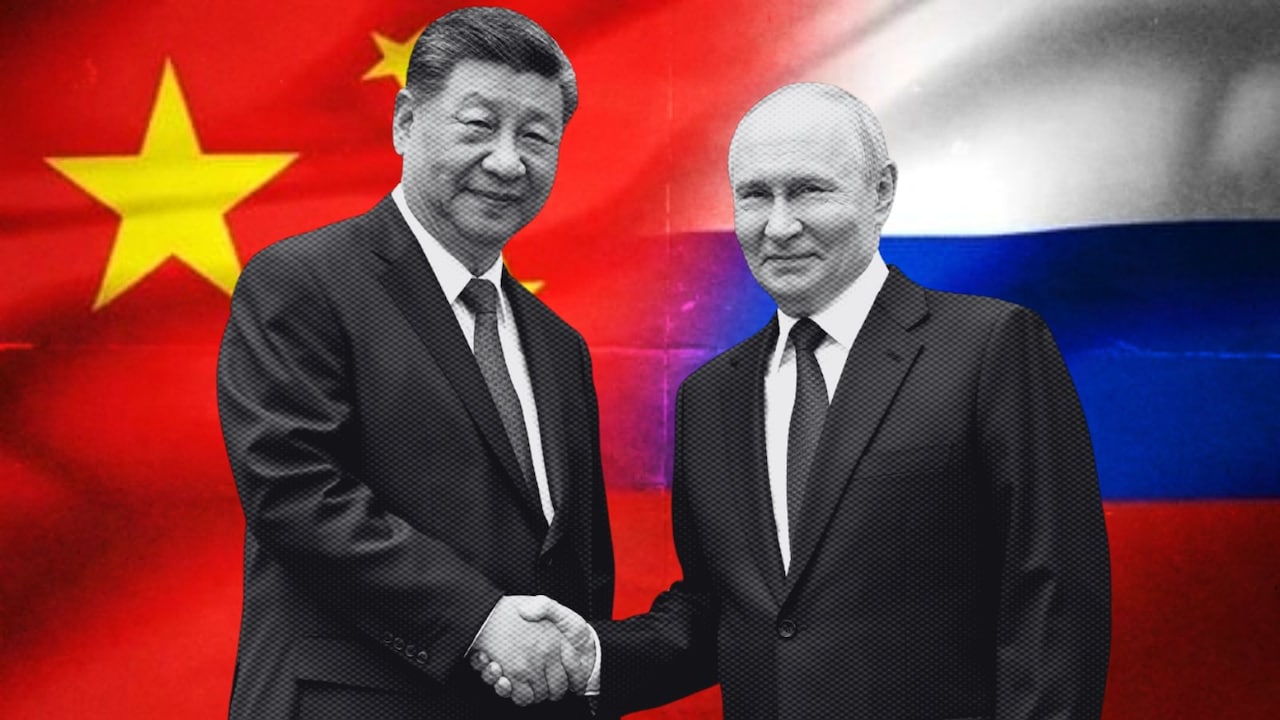
When Chinese vessels use the Northern Sea Route, they pay heavy access fees directly to Moscow. That money matters. With Western nations hammering Russia with sanctions over the war in Ukraine, Moscow needs financial lifelines and strategic partners. Every container ship paying tolls along the Russian coastline strengthens the bond between the two capitals.
It also gives China a permanent physical footprint in a region where they hold zero territorial coastline.
Harvard's Kennedy School has pointed out that these Arctic overtures face heavy suspicion from Western governments. No one likes a newcomer staking a claim in pristine, fragile, and strategically vital polar zones. But Beijing keeps pushing anyway. Coast guard patrols, joint technological ventures, and resource exploration projects are piling up year after year.
What This Means for Global Supply Chains
You shouldn't expect your next Amazon package to arrive via the North Pole anytime soon. Sea Legend, the firm operating the Dubai Tower, plans to run a handful of additional trips this season, but commercial viability remains a massive hurdle.
The physical environment dictates the timeline. Global warming is melting the ice, yes, but unpredictable weather conditions and harsh hazards mean maritime accidents carry catastrophic environmental and financial risks.
Trade is the public excuse. Geopolitics is the real cargo.
Look past the hype of fast shipping times. Watch how military and economic alliances solidify in the frozen north. That is where the actual game is being played.