Governments worldwide are rushing to pass sweeping legislation to ban teenagers from social media. The UK, Australia, and various states are drawing hard lines in the sand, claiming that cutting off Instagram, TikTok, and Snapchat will magically heal the youth mental health crisis.
It won't.
Politicians are fighting a war against yesterday's technology while completely ignoring the actual shift happening right under their noses. While lawmakers argue over age verification and algorithms, teenagers are quietly moving their digital lives over to custom AI chatbots. A ban on traditional social media doesn't solve digital addiction or isolation. It just migrates the problem to a completely unregulated frontier.
The Illusion of the Social Media Ban
The logic behind the recent wave of under-16 social media bans seems simple: remove the endless scroll, remove the toxic comparison, and protect the kids. But the execution is messy. To block a 15-year-old from TikTok, platforms must verify the age of every single user. That means forcing adults to upload government IDs or submit to facial scanning, creating massive privacy nightmares and inevitable data leaks.
More importantly, it assumes kids will just log off and ride bikes. They won't. They'll find the next digital loophole.
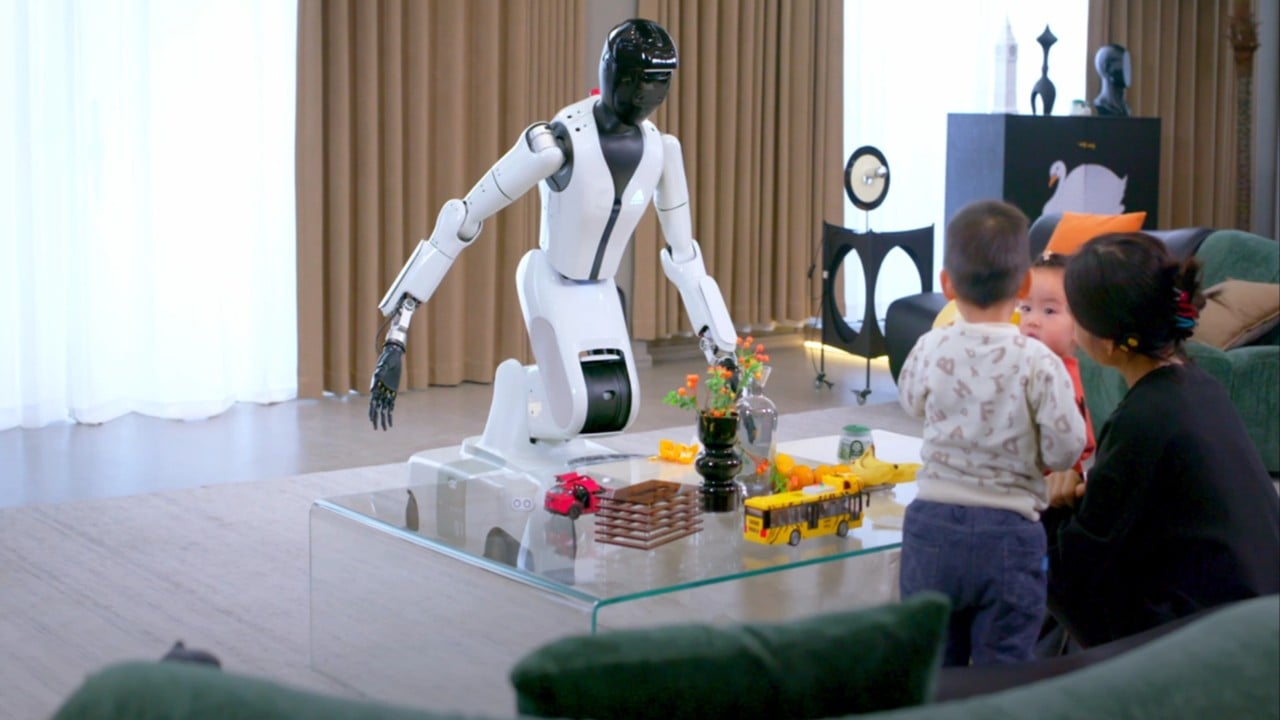
Right now, that loophole isn't another underground social network. It's generative AI. Platforms like Character.ai, Replika, and custom GPTs are seeing massive engagement from younger demographics. These are not search engines. They are highly personalized, emotionally responsive, always-available digital companions.
When you ban a teenager from talking to their real-world peers online, you don't eliminate their desire for digital connection. You just push them into the arms of an AI that is programmed to never say no, never disagree, and never log off.
Why AI Chatbots Pose a Different Kind of Threat
Traditional social media harms kids through peer comparison, cyberbullying, and algorithmic hyper-targeting. It's toxic because it's a funhouse mirror of real human interaction.
AI chatbots change the game entirely. They don't offer peer interaction; they offer simulated intimacy.
- Unconditional validation: A human friend will call you out when you're wrong, get tired of listening to you complain, or need space. An AI chatbot offers infinite patience and absolute agreement. It tells you exactly what you want to hear, 24/7. This creates an environment where real-world human relationships—which require effort, compromise, and vulnerability—start to feel exhausting and unappealing by comparison.
- The mimicry of empathy: Advanced large language models are trained to detect emotional undertones in text and respond with tailored empathy. A lonely teenager can easily mistake this calculated pattern recognition for genuine care.
- Zero regulatory oversight: While the UK's Online Safety Act and similar global bills focus heavily on user-to-user content, they largely fail to address the specific psychological risks of generative AI interactions.
We aren't talking about hypothetical risks here. We've already seen tragic, real-world examples where vulnerable teens formed deep emotional bonds with AI personas, leading to severe psychological distress when those bots gave dangerous advice.
The Enforcement Nightmare
Let's look at how lawmakers expect these bans to work. If a country bans traditional social media, tech giants are held legally responsible for keeping kids off their apps. But how do you classify an AI chatbot?
Is an open-ended LLM a social media platform? No, because it doesn't primarily facilitate user-to-user interaction. Is it a messaging service? Not exactly, though the user interface looks identical to WhatsApp or iMessage. Because these platforms evade the traditional definition of "social media," they slip right through the cracks of current legislative frameworks.
A teenager banned from Instagram can easily open a browser, head to any number of free, un-gatekept AI platforms, and spend eight hours a day talking to a virtual boyfriend, a fictional anime character, or a therapist bot. The screen time remains the same. The isolation remains the same. The lack of real-world coping mechanisms remains the same.
What Actually Works
If banning social media is an outdated strategy, what should parents, educators, and tech platforms actually do? We need to pivot from blanket bans to structural changes and active digital literacy.
For Parents
Stop focusing exclusively on screen time and start looking at engagement quality.
Talk to your kids about who they are talking to online. Ask them if they've used AI characters for homework, entertainment, or comfort. Teach them the difference between an algorithm designed to mimic empathy and a real human being who actually experiences it.
For Educators
Schools need to update their digital safety curricula immediately. Most current programs still teach standard 2012-era advice: don't share your password, watch out for cyberbullies, and don't post party photos.
Instead, schools must teach students how generative AI works. Kids need to understand that the bot on the other end of the screen doesn't have feelings, memories, or a soul—it's just predicting the next most statistically probable word in a sentence.
For Lawmakers
Regulators must stop writing laws that target specific app formats and start writing laws that target addictive design and psychological manipulation.
If a platform—whether it's a social feed or an AI chatbot—uses behavioral profiling, variable reward systems, and simulated emotional tracking to keep a minor hooked for hours, it should face massive structural penalties. Focus on the mechanics of dependency, not the wrapper it comes in.
The hard truth is that technology moves faster than parliament or congress ever will. Passing a ban on social media in 2026 feels like banning radio in the dawn of television. It makes for a great political headline, but it leaves the next generation completely defenseless against the actual technology shaping their minds.