Stainless steel appliances look incredible on showroom floors. Then you move in, touch them twice, and realize they are basically smudge magnets. Every fingerprint, grease splatter, and water drop shows up instantly. Most people grab a random sponge and whatever spray is under the sink, making things worse. You end up with cloudy streaks, a dull finish, and permanent frustration.
Cleaning stainless steel appliances doesn't require expensive specialty chemicals or hours of scrubbing. It requires understanding the material. Stainless steel isn't actually stainless. It stains, rusts, and scratches if you treat it like normal porcelain or glass. Let's fix that right now.
Find Your Grain
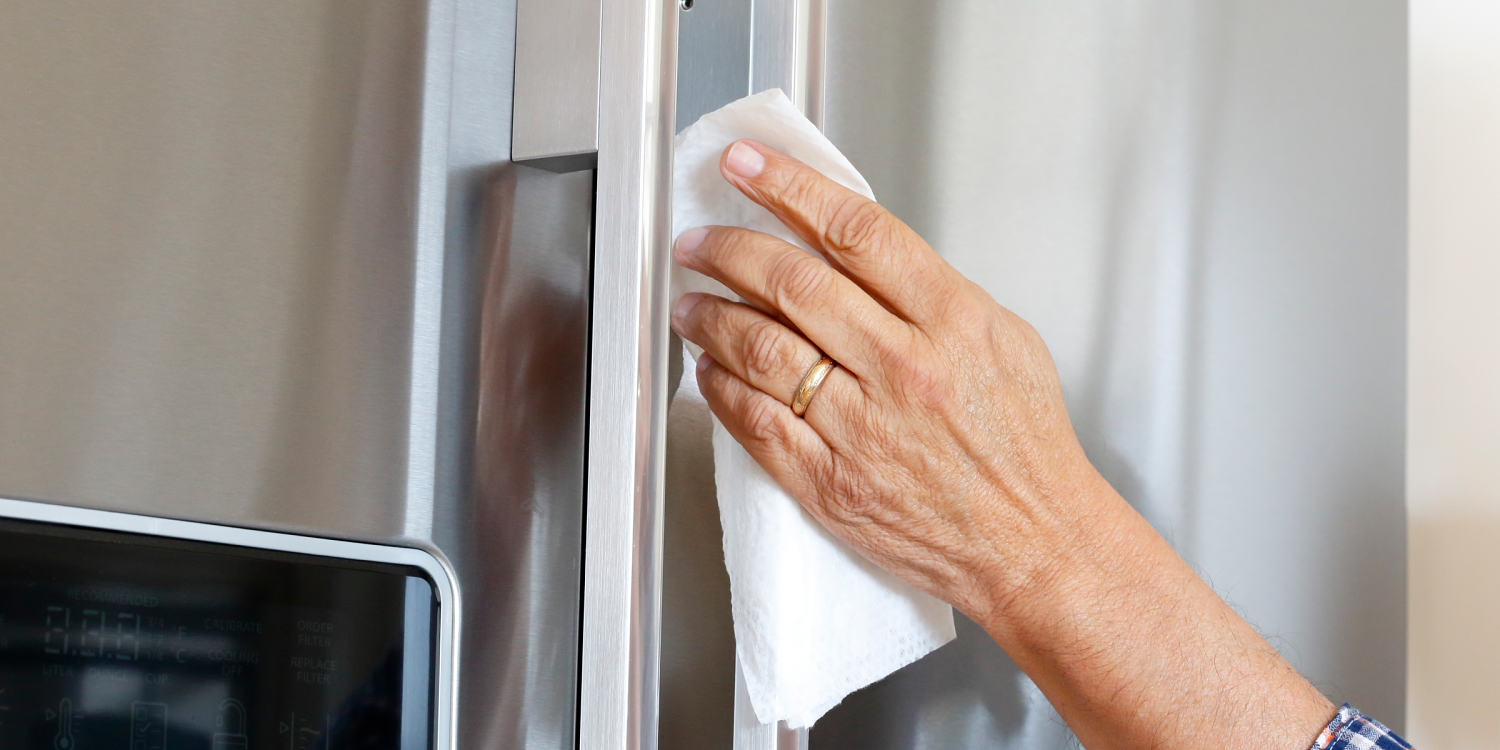
Look closely at your refrigerator door or dishwasher panel. Do you see those faint, parallel lines running horizontally or vertically? That is the grain.
Never wipe across it. Always wipe with it.
If you ignore the grain, microscopic dirt particles get trapped inside the brushed grooves. Over time, this creates a hazy, scratched-up appearance that bounces light weirdly and ruins the metallic shine. Treat the grain like a roadmap. Follow it every single time you touch the surface with a cloth.
Step One: Pre-Clean the Loose Grime
Don't start scrubbing immediately. You will scratch the finish.
Grab a soft microfiber cloth and dampen it with warm water. Wring it out thoroughly. You want it damp, not soaking wet. Gently wipe down the entire appliance to lift away loose dust, dried food crumbs, and surface dirt.
If you have sticky grease splatters near the stove, mix a tiny drop of mild dish soap into your warm water. Keep it minimal. Too much soap creates a sticky film that takes ten extra minutes to buff out later.
Step Two: Address the Stubborn Spots
Standard wiping won't touch baked-on grease or stubborn water rings. Put away the abrasive scouring pads right now. Steel wool and green kitchen scrubbers will destroy your expensive appliances in seconds.
For tough spots, make a mild paste using baking soda and a bit of water. Apply it directly to the problem area. Let it sit for a few minutes to break down the grime without harsh chemicals. Use your finger or a soft cloth to rub the paste gently in the direction of the grain.
Rinse the area cleanly with a separate damp cloth to remove every trace of the baking soda residue.
Step Three: Dry and Buff Immediately
Water air-drying is the number one cause of ugly water spots on stainless steel.
The moment you finish washing or rinsing, take a completely dry, clean microfiber cloth and buff the surface. Move quickly, always following the grain. This step removes residual moisture and begins restoring that deep, reflective sheen.
If your kitchen has hard water, this step is non-negotiable. Minerals in tap water will leave white chalky outlines if you let them evaporate on the metal.
Step Four: Apply a Protective Polish
This is where the magic happens. A good polish doesn't just make your appliances look shiny; it leaves an invisible barrier that repels future fingerprints and dust.
You can use commercial sprays like Weiman or Zep, or you can use pantry items like a tiny drop of mineral oil or baby oil on a cloth. Spray or apply the product directly to your cloth, never directly onto the appliance. Spraying directly onto the fridge often leads to overspray hitting the floor, creating an accidental ice rink that makes everyone slip.
Buff the oil or polish lightly into the metal, following the grain. Take a fresh cloth and buff it one final time to pick up excess product. Your appliances will look better than the day they were delivered.
Stop wasting money on random gimmicks. Keep it simple, follow the grain, and protect the finish. How to Clean Stainless Steel Appliances Easily at Home