Scorching forty-degree temperatures across the Mediterranean are rewriting the rules of European holiday planning. You used to book a July flight to Spain or Italy without blinking. Now, you sit inside with the air conditioning cranked up, questioning why you paid top dollar to sweat through a heat advisory.
That shift in mindset has given rise to a travel industry phenomenon called the coolcation. Instead of baking on crowded southern beaches, weary travelers are heading north to Scandinavia, the Baltic states, and Scotland.
The Reality Check on Mediterranean Summer Travel
For decades, southern Europe owned the summer tourism market. Greece, Spain, and southern France were the default choices for sun seekers. But climate shifts changed the equation entirely. Consecutive summers of crippling heatwaves have pushed temperatures past comfortable limits.
It is not just about feeling sticky. Extreme heat makes outdoor exploration miserable and poses legitimate health risks, particularly for children and older adults. Travel data shows that a growing percentage of European holidaymakers now factor climate stability into their destination choices.
Tourists are voting with their feet. Rather than risking a vacation trapped indoors, many are looking at maps through a completely different lens.
Where the Coolcation Movement is Gaining Ground
Northern destinations are seeing an undeniable surge in interest. Travel platforms report spiking search volumes for cities like Copenhagen, Stockholm, and Oslo.
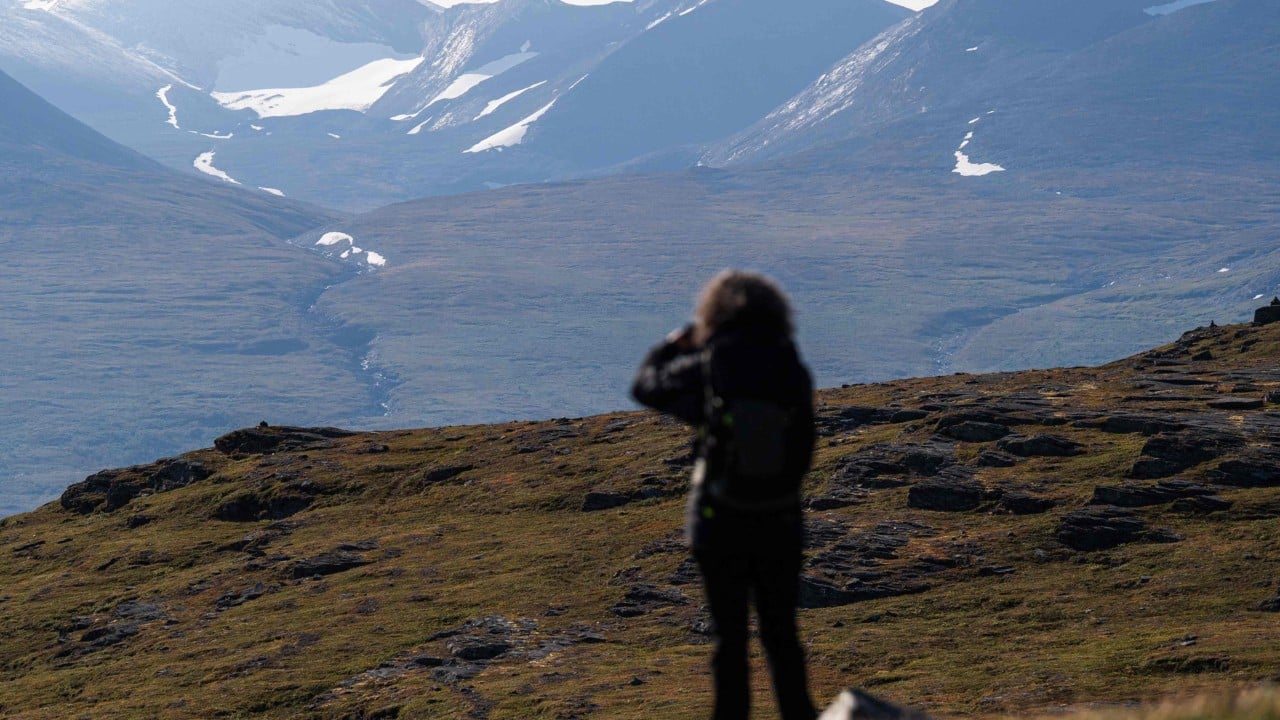
Take Sweden and Norway, for instance. Guides running outdoor excursions in Scandinavia note that visitors frequently mention escaping southern heat as their primary motivation. Daytime highs hovering comfortably in the low twenties, combined with crisp sea breezes and actual breathing room from massive tourist crowds, offer an appealing alternative.
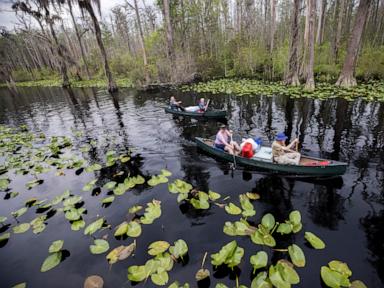
It is not just Scandinavia catching the wave. Travelers are packing hiking boots for the Scottish Highlands or booking trips to coastal spots in the Baltic region where outdoor activities remain enjoyable throughout July and August.
How the Travel Industry is Adapting
Tour operators cannot ignore the trend. Major travel companies report that bookings for northern destinations have climbed significantly compared to previous years. Some specialized adventure agencies have even altered their summer itineraries, scaling back high-intensity hiking trips in traditional southern hotspots during peak months.
At the same time, the traditional tourism calendar is bending. Travel executives point out that the peak season in the Mediterranean is shifting. Tourists still want sunshine, but they are increasingly choosing to visit Greece, southern Italy, or Spain during the shoulder months of May, June, September, and October.
This creates a split travel market. Summer belongs to the north and the mountains, while the south extends its earning potential into late autumn and early winter.
What This Means for Your Next Trip
If you are planning a summer getaway, stop defaulting to the standard beach resort playbook. Assess what you actually want out of your time off. Do you want to hide from a heatwave, or do you want to explore without melting?
- Look into direct flights to northern European hubs that previously sat outside your summer radar.
- Consider booking Mediterranean trips for late spring or early autumn to enjoy the culture without the health risks of peak heat.
- Book northern accommodations early, as the secret is out and demand for cooler climes keeps climbing.
Stop forcing yourself into uncomfortable weather just because tradition says you should. Pack a light jacket, head north, and enjoy a summer where you can actually breathe.