When disaster strikes a remote Himalayan valley, politics usually takes a backseat to survival. But when nine South Korean corporate workers vanished following massive flash floods and landslides near the Nepal-Tibet border, Seoul decided high-level diplomacy couldn't wait. South Korean Foreign Minister Cho Hyun touched down in Kathmandu with a singular mandate. He came to fast-track search operations and look families in the eye after catastrophic Bhotekoshi floods swept through a vital hydropower plant construction site.
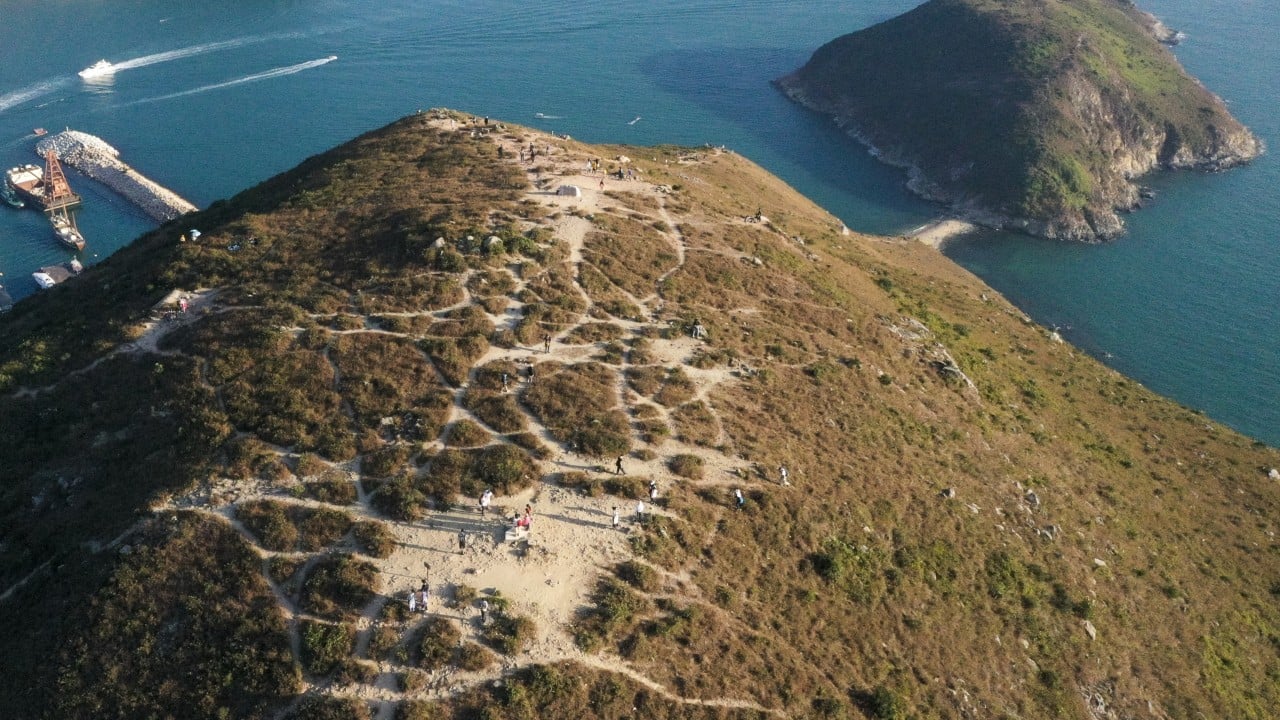
If you are wondering why a foreign minister needs to fly in person rather than handling things over secure diplomatic channels, you haven't seen the logistical nightmare of post-monsoon Himalayan rescue ops. Rasuwa District isn't just hard to reach. It is a shifting maze of debris, swollen rivers, and collapsed tunnels where standard search equipment fails.
The High-Stakes Agenda in Kathmandu
Cho didn't land in Nepal for a polite diplomatic photo-op. His itinerary focused entirely on two groups: local government counterparts like Nepali Foreign Minister Shisir Khanal, and the families waiting in agony for answers.
The numbers tell a brutal story. When the floods hit on August 26, six employees of Doosan Enerbility Co. and three from Korea South-East Power Co. disappeared on the job. These workers weren't tourists caught in a sudden downpour. They were part of a specialized industrial crew working on major infrastructure projects.
Foreign governments get intensely protective when their corporate citizens vanish abroad. Cho's direct meetings with Nepalese officials aimed to cut through bureaucratic red tape. He wanted heavy machinery, military logistics, and specialized search teams deployed instantly where they are needed most, rather than getting stuck in standard administrative back-and-forth.
What Recovery Teams Are Actually Facing
You can't just send a standard search party into a disaster zone like this and expect results. The terrain is brutal. The Korea Disaster Relief Team (KDRT) deployed to the site brought heavy hardware—helicopters, drones, and specialized search dogs.
Yet, physical geography fights them every step of the way. According to updates from the National Disaster Risk Reduction and Management Authority, thousands remain missing across the broader disaster zone, with foreign nationals and security personnel among the casualties. When a joint rescue team of Nepali Army troops and South Korean disaster specialists managed to pull a Chinese national alive from the construction site, it provided a rare flash of hope amid mounting grim discoveries of unidentified bodies recovered from the mud and rubble.
Coordination is everything in these scenarios. Local authorities have to manage thousands of missing person reports across rugged districts like Rasuwa and Nuwakot while balancing ongoing risks of secondary landslides and aftershocks from minor tremors shaking the region.
The Diplomatic Balancing Act
Diplomacy during a crisis requires absolute transparency and steady nerves. South Korea wants results, but they also cannot afford to alienate local Nepalese authorities who are already stretched to their absolute limit managing a national catastrophe of historic proportions.
Cho's promise to speed up search efforts carries heavy political weight back home in Seoul. Public scrutiny is intense whenever citizens go missing overseas under industrial or corporate auspices. Families expect accountability, speed, and absolute commitment from their government. By visiting the disaster zone, meeting the KDRT personnel on the ground, and sitting down with grieving relatives, Cho ensures that the search operation stays at the absolute top of the bilateral agenda.
Once his meetings wrap up in Kathmandu, Cho is scheduled to fly directly to France to join South Korean President Lee Jae Myung on a state visit. That pivot from emergency disaster management on the roof of the world straight to high-level international statecraft highlights the relentless pace required of modern foreign ministers.
For the families waiting back in Seoul and the rescue workers digging through the debris in Rasuwa, speeches matter less than the next recovered body or the next survivor pulled from a tunnel. Time is running out, and the pressure on both governments has never been higher.