If you think a million dollars goes far in Asia, you are living in the past. Singapore just secured its position at the top of the luxury cost leaderboard again. The latest Julius Baer Global Wealth and Lifestyle Report confirms that the city-state is the most expensive place on earth for affluent living. This marks the fourth consecutive year the island nation has held the title.
It is not just a statistical quirk. It represents a massive concentration of global capital that keeps pushing prices into the stratosphere. Wealthy families are flooding the city. They do not care about the price tag. They are looking for something much harder to find than cheap luxury goods. They want safety.
The Swiss bank tracks a basket of twenty luxury items and services across twenty-five global hubs. This index covers everything from prime residential property to business-class flights, designer watches, and private school tuition. The data shows that the global cost of living a high-net-worth lifestyle jumped by 10.2% overall. Singapore led that charge, driven by eye-watering car prices, fierce real estate competition, and a currency that refuses to weaken.
What Makes the Lion City So Expensive
Living large here requires deep pockets. Two main items carry the heaviest weight in the lifestyle index: premium cars and high-end real estate.
Singapore remains the absolute most expensive place on earth to buy a vehicle. Thanks to the Certificate of Entitlement system, a permit just to own a standard sedan can cost over six figures before you even buy the actual vehicle. When you scale that up to a luxury supercar, the final bill becomes absurd. A high-end sports car can easily cost three to four times what it would in the United States or Europe. Wealthy residents pay it without blinking. It is the ultimate status symbol.
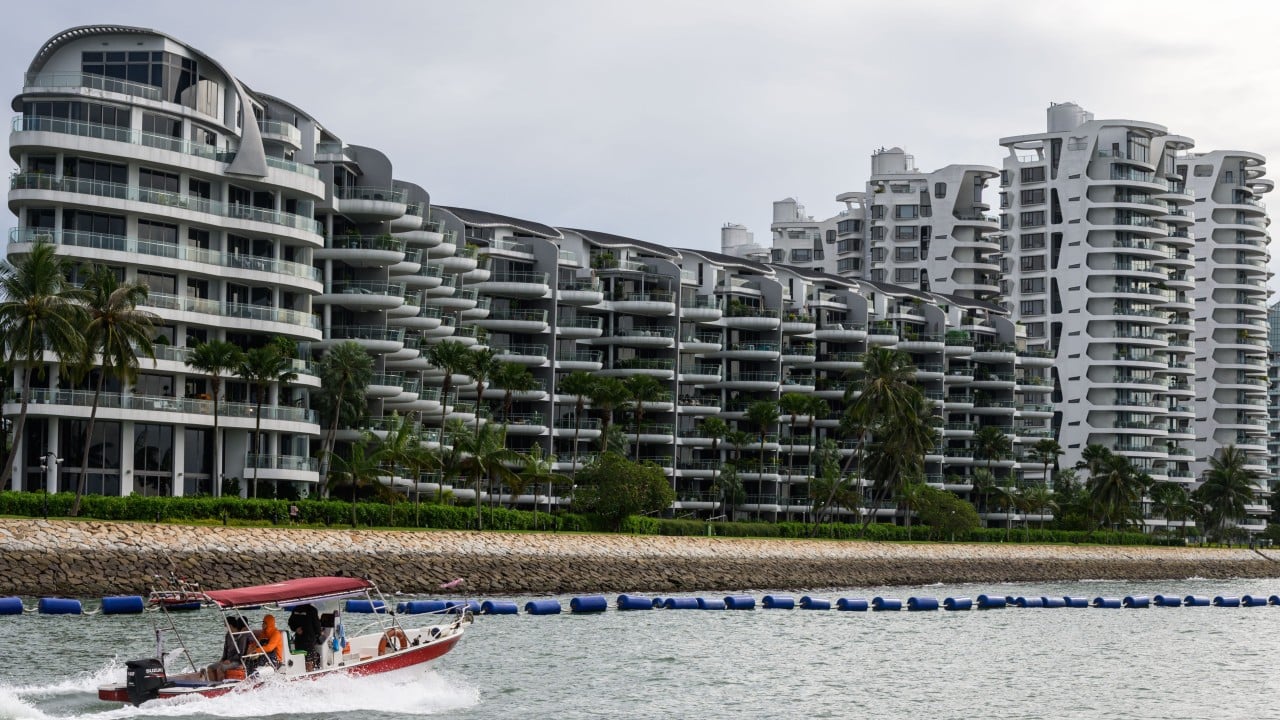
Property prices tell a similar story of intense demand. The city ranks third globally for prime residential real estate costs. Space is scarce. The government has enacted heavy taxes on foreign buyers to cool the market, including a hefty 60% additional buyer’s stamp duty for foreigners. Yet, the ultra-rich keep buying. They view Singaporean brick and mortar as a fortress for their wealth.
The strength of the Singapore dollar acts as another major accelerator. Because the index compares costs on a US dollar basis, a strengthening local currency automatically inflates the price of everything for international observers. The Monetary Authority of Singapore has used monetary policy to combat domestic inflation, keeping the local dollar incredibly resilient. If your wealth is denominated in weaker global currencies, stepping off the plane at Changi Airport instantly feels like a financial hit.
How Other Cities Stack Up Globally
The top tier of the wealth index saw some dramatic shifting this year, even if the top spot remained glued in place.
Zurich leaped three positions to claim second place globally. The massive rise was driven heavily by the strengthening of the Swiss franc. Investors always run toward the franc during global market instability, treating it as an undeniable store of value. Monaco entered the top three for the first time since Julius Baer started publishing this specific report series. The tiny principality has always been a tax haven, but skyrocketing property demands pushed it past legacy wealth hubs.
Hong Kong and London rounded out the top five. While Hong Kong used to trade the top spot with Singapore, its real estate market has experienced structural adjustments that cooled its overall trajectory.
Europe, the Middle East, and Africa now hold more than half of the top ten costliest spots. Dubai continues its aggressive march up the ranks, cementing its status as the premier wealth magnet of the Middle East. Meanwhile, the broader Asia-Pacific region saw a more moderate average price increase of 7.4% in US dollar terms, which sits well below the global average jump. Still, five of the top ten most expensive cities are located right here in Asia: Singapore, Hong Kong, Shanghai, Sydney, and Bangkok.
The Sudden Shifts in Educational and Medical Costs
Higher education for elite families has reached parity across Asia, and it is costing a fortune. The region has officially become the most expensive geographical zone to obtain an elite business education. Singapore shared the exact same joint first position for the costliest Master of Business Administration programs with a massive list of regional neighbors, including Hong Kong, Shanghai, Sydney, Bangkok, Taipei, Tokyo, Jakarta, Mumbai, and Manila.
But it was the medical sector that delivered the biggest surprise of the year.
In the previous index iteration, Singapore ranked as the third most expensive city globally for high-end healthcare. This year, it plummeted all the way down to 23rd place. That is an incredible drop. Sao Paulo, Zurich, and London took over the top three spots for premium medical care.
This drop does not mean local clinics suddenly got cheap for the average citizen. Instead, it reflects how global currency shifts and targeted structural pricing adjustments altered the relative cost of elective, top-tier private healthcare packages when measured against surging prices in Latin America and Europe. The government continues to funnel billions into its medical infrastructure, keeping baseline services highly competitive even as global inflation runs hot elsewhere.
The Commodity Engine Driving Luxury Inflation
Local factors tell only half the story. Global supply chains and commodity markets are doing the rest of the damage to consumer wallets.
Raw material costs have gone haywire. Look at gold. The precious metal has more than doubled in value since 2024. That massive surge forces luxury watchmakers and high-end jewelry houses to aggressively bump up their retail prices. Brands like Patek Philippe, Rolex, and Cartier are not absorbing these costs. They pass them straight to the buyer.
Luxury houses are intentionally raising prices globally to protect their prestige and counter currency volatility. They do not want their goods looking cheap in one region due to a sudden drop in a local currency. They synchronize their pricing upward. Wealthy buyers show zero price sensitivity to these moves. In fact, higher price tags often increase the perceived exclusivity of a watch or handbag, driving demand even higher.
Why the Ultra Rich Keep Coming Anyway
Why would anyone willingly move their capital to a place where a cup of coffee, a condo, and a car cost more than almost anywhere else? The answer is simple. The wealthy have changed their priorities.
The focus has moved from minimizing costs to maximizing long-term value and financial longevity. The world is a messy place right now. Geopolitical tensions are simmering, trade policies are unpredictable, and tax laws in Western nations are fluctuating wildly. In that environment, stability becomes a rare luxury asset.
Singapore offers a rock-solid legal framework, predictable governance, and an unmatched sense of physical security. High-net-worth individuals are looking long-term. They want to know that the wealth they build today will safely transfer to their children in thirty years.
Ultra-rich families use the city-state as a strategic geographical anchor. They are diversifying their operations, setting up family offices to manage their generational wealth across different regions. They keep some assets in Europe, some in the Americas, and a massive chunk in Singapore to capture Asian economic growth while staying insulated from regional political instability. Tech migration, semiconductor manufacturing growth, and artificial intelligence booms are concentrating new fortunes in this specific corner of the world.
Steps for Managing Capital in High Cost Hubs
If you are navigating this high-cost environment, you cannot rely on legacy financial habits. High prices require deliberate tactical shifts.
- Review your cross-border asset allocations immediately. Holding too much cash in a weakening currency while living or operating in a strong-currency hub like Singapore will erode your purchasing power fast. Match your currency exposures to your geographic lifestyle requirements.
- Hedge against luxury inflation with tangible commodities. With gold and precious metals hitting record highs, affluent investors are allocating more of their portfolios to hard assets. Over half of regional high-net-worth individuals have added precious metals to their portfolios over the last twelve months to protect their spending power.
- Lock in real estate assets early if you intend to stay long-term. Waiting for a massive drop in premium property markets within hyper-stable cities is usually a losing game. The underlying demand from global wealth migration creates a permanent floor under prices.
- Decouple your investment strategy from local living costs. Just because you operate out of the most expensive city on earth does not mean your capital should be restricted to local markets. Use global wealth networks to capture yield in growth markets while utilizing the city-state purely for its legal and asset-protection benefits.
The premium price of entry is here to stay. High costs are not deterring the global elite; they are proof that the destination is working exactly as intended.