Building an independent supply chain for high-tech components is incredibly hard. For over a decade, Western countries have panicked about China controlling roughly 90% of the world's rare earth market. Miners have tried to dig up alternative sources, but mining is only half the battle. You can dig up all the neodymium you want, but if you have to send it to China to get turned into a magnet, you haven't actually solved your geopolitical vulnerability.
That's why the latest announcement from Australian rare earth miner Lynas is a massive deal. On July 7, 2026, Lynas announced a definitive, long-term agreement with South Korean permanent magnet manufacturer JS Link. The two companies are teaming up to build a major rare earth permanent magnet factory in Kuantan, Malaysia. For a more detailed analysis into this area, we recommend: this related article.
This isn't just another non-binding corporate memo. Lynas is putting real money on the line, investing A$50 million (roughly US$35 million) into ordinary equity of JS Link. In return, Lynas gets a 4.58% stake in the South Korean manufacturer, and JS Link gets a guaranteed, exclusive feedstock supply until January 2038.
If you manage a supply chain for electric vehicles, wind turbines, or defense electronics, this project matters immensely. It marks a shift from simply extracting raw materials to establishing a complete manufacturing pipeline completely outside Chinese influence. To get more information on the matter, comprehensive reporting is available at Financial Times.
The Financial Reality Behind the Deal
Let's strip away the corporate speak and look at the actual numbers. Lynas isn't just acting as a friendly neighborhood vendor here. Their A$50 million equity investment binds the two companies together tightly. The ordinary shares Lynas is purchasing are locked down under a three-year escrow period. This ensures that both management teams stay focused on getting the factory built rather than playing short-term market games.
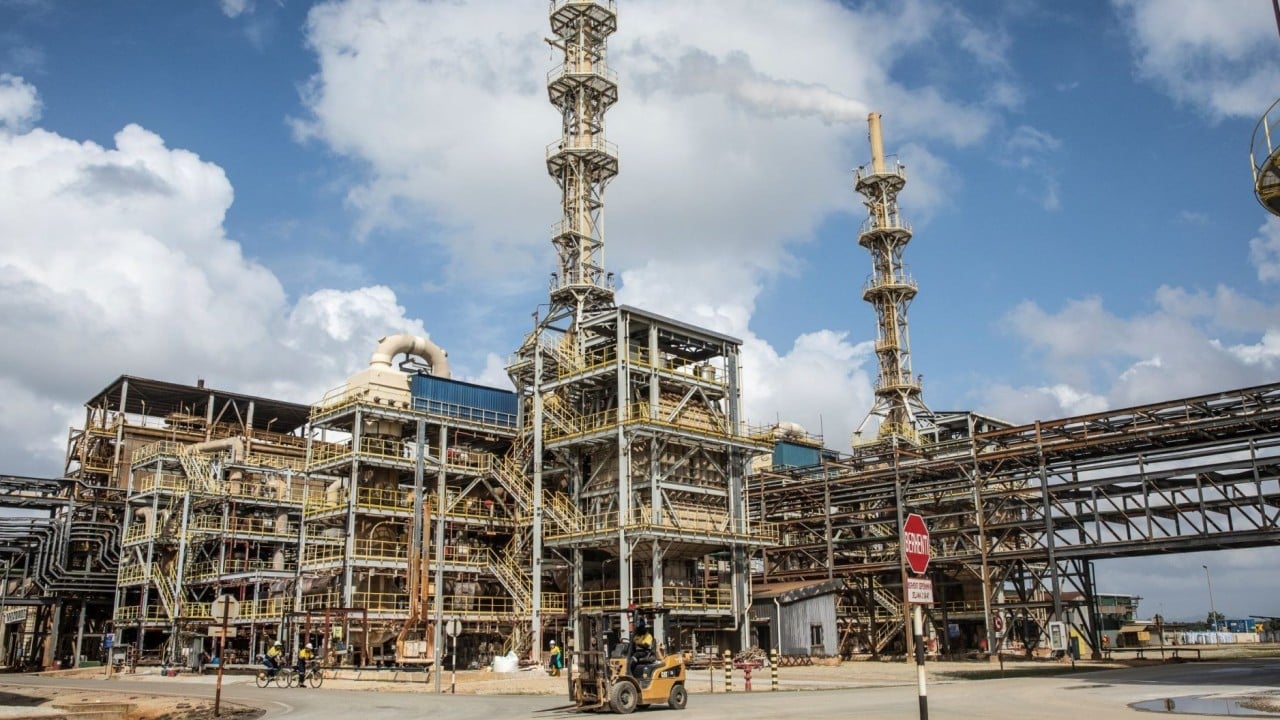
The facility will be located right next door to the existing Lynas advanced materials processing plant in Kuantan, a city on the eastern coast of Malaysia. The plan is to manufacture 3,000 tonnes of neodymium iron boron permanent sintered magnets every single year.
To put that number in perspective, 3,000 tonnes can supply hundreds of thousands of electric vehicle motors. Under the exclusive commercial arrangement, Lynas will supply the essential light and heavy rare earth materials at standard commercial prices. This feedstock won't just feed the new Malaysian plant. It will also supply JS Link's existing 1,000-tonne facility in Yesan, South Korea, which is currently delivering commercial samples to international buyers.
The partnership makes a ton of sense from an operational perspective. Lynas has the raw materials but lacks the technical blueprint to manufacture precision magnets at scale. JS Link, a company listed on the South Korean KOSDAQ exchange, has the manufacturing know-how but desperately needs a stable source of raw rare earths that won't get cut off by political export bans. By anchoring the new factory right next to the processing plant in Malaysia, they eliminate massive logistics costs and export paperwork.
Moving Beyond Raw Extraction
For years, the biggest flaw in Western critical mineral strategies has been a lack of downstream processing. Mining companies love to announce new discovery sites, but raw rare earth ore is practically useless to an automaker. The ore must be crushed, cracked with harsh chemicals, separated into individual elements like neodymium and praseodymium, turned into metal alloys, and then precisely manufactured into sintered magnets.
China became dominant because they built the entire stack. They didn't just mine the material. They mastered the incredibly difficult metallurgy required to make the final magnets.
By partnering with JS Link, Lynas is finally moving down the value chain. They aren't just selling dirt or oxide anymore. They are ensuring that their material gets turned into high-value components within a secure ecosystem. This completely changes the economics for Lynas. Selling finished or semi-finished materials protects the company from the wild price volatility that frequently hits raw rare earth commodities.
Malaysia Cementing Its Place as a Neutral Hub
This announcement underscores a broader trend that most global analysts are missing. Malaysia is rapidly transforming into the primary neutral zone for critical mineral manufacturing outside China. The country has a long history of industrial processing, thanks to the Lynas Gebeng facility operating there since 2012.
The momentum is clearly building. Just a day before the Lynas deal was announced, French company Carester revealed its own 10-year joint venture with local firm Malaco Mining to build a rare earths separation plant in Malaysia's northern Perak state. That facility intends to process roughly 13,000 tonnes of material annually.
Malaysia possesses its own substantial reserves, with the government estimating around 274,144 metric tonnes of rare earth minerals nationwide. However, the real value lies in the country's willingness to host these massive chemical processing facilities. Western nations want the clean energy components, but very few local communities in Australia, Europe, or the United States are willing to approve the heavy industrial zoning required for rare earth refining. Malaysia already has the infrastructure, the ports, and an experienced workforce ready to step in.
The Kuantan magnet project is expected to create up to 400 skilled jobs locally. This keeps the Malaysian government happy and ensures continued regulatory support for Lynas, which has faced political headwinds in the past regarding environmental licensing and waste management.
The Geopolitical Pressure on South Korea
South Korea's involvement through JS Link highlights how desperate East Asian tech hubs are for secure materials. South Korea is home to automotive giants like Hyundai and Kia, alongside massive electronic conglomerates. All of them are racing to build out electric vehicle lines, but they are terrified of supply disruptions.
South Korean manufacturing has traditionally been deeply dependent on Chinese suppliers for permanent magnets. If trade tensions flare up, South Korean assembly lines could grind to a halt within weeks. By backing JS Link's expansion into Malaysia, South Korean industry is effectively buying an insurance policy.
The magnets produced in Kuantan are explicitly earmarked for automotive, wind energy, and electronics supply chains in South Korea, Malaysia, and other allied Western markets. It provides a blueprint for how mid-tier tech nations can band together to build parallel supply lines.
The Environmental Elephant in the Room
We have to talk about the risks because this project won't be entirely smooth sailing. Rare earth processing has a controversial reputation in Malaysia. The refinement process produces low-level radioactive residue, which has sparked local protests and intense regulatory scrutiny over the past decade.
Lynas has spent hundreds of millions of dollars updating its waste management systems and building permanent disposal facilities to satisfy Malaysian regulators. While the new JS Link factory will focus on the magnet manufacturing stage rather than the initial chemical cracking, any environmental pushback against the core Lynas refinery could jeopardize the feedstock for the entire operation.
Activists and local communities monitor these sites closely. The joint venture will need to prove that its environmental management is completely airtight to avoid future political disruptions.
Concrete Steps for Tech Buyers and Investors
If you are evaluating this situation for your own business or portfolio, don't just wait around for the factory to open. Here is what you should be doing right now.
First, diversify your procurement timelines. The agreement runs until 2038, meaning this capacity will be locked up under long-term contracts. If you are an automotive or industrial buyer, you need to initiate conversations with JS Link now while they are still in the early stages of facility development.
Second, watch the share price and milestones. Lynas equity is a clear bellwether for Western critical mineral independence. Monitor the construction progress at the Kuantan site over the next twelve months to ensure they are hitting their engineering deadlines.
Third, audit your own tier-two suppliers. Find out exactly where the permanent magnets in your electronic sub-assemblies are currently being sintered. If your entire product line relies on components that pass through a single region, look to qualify these upcoming Malaysian and South Korean alternatives as secondary sources.
The race for material independence isn't about completely destroying existing trade relationships. It is about creating options. The Lynas and JS Link partnership gives global manufacturing a massive, viable alternative option outside the traditional dominant markets.