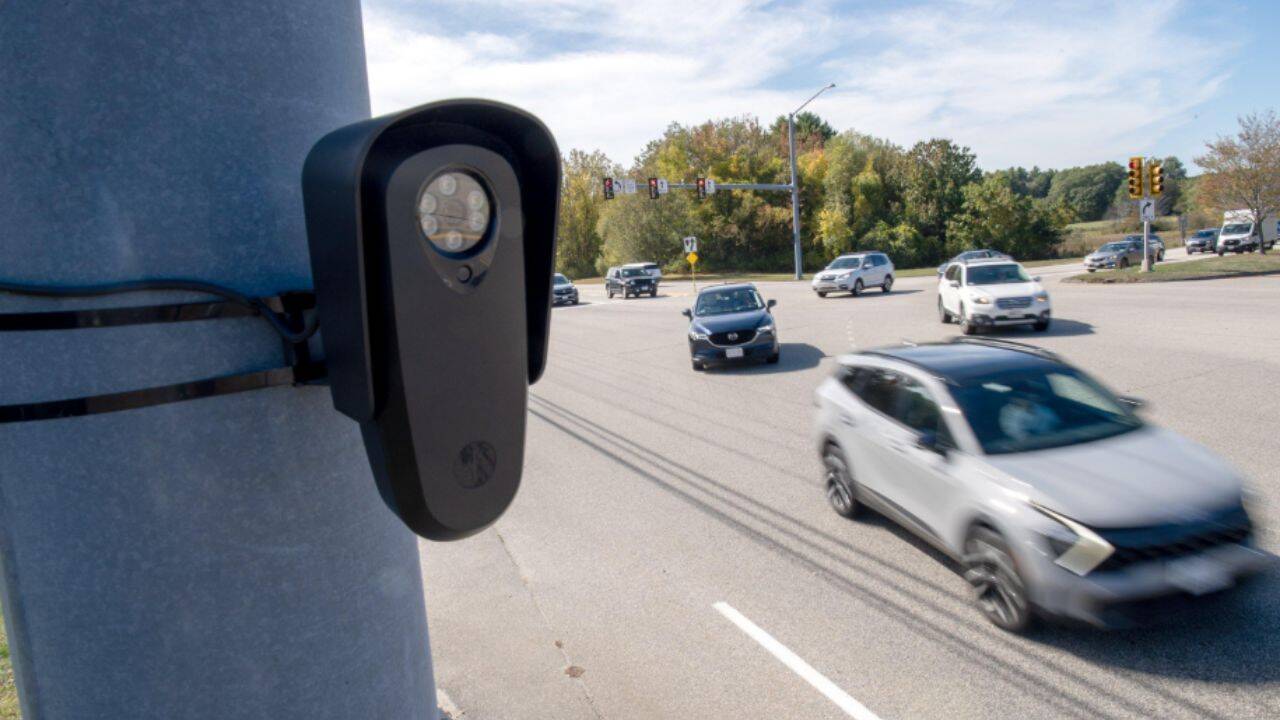
Automated license plate readers were sold to the public as a crime-fighting shield. Instead, they are turning into an internal surveillance nightmare for law enforcement agencies across the United States.
When the Savannah Police Department decided to comb through its records, it uncovered a disturbing reality. Out of roughly 39,000 automated searches run on the Flock Safety network, an internal audit flagged 127 queries for suspicious activity. Investigators quickly determined that 34 of those searches were completely unjustified.
That deep dive cost six people their jobs and landed four former department employees in handcuffs. It is a stark reminder that giving officers powerful tracking tools without airtight safeguards invites immediate abuse.
Inside the Savannah Investigation
The fallout hit the Savannah Police Department hard in August. What started as an internal review on July 27 snowballed rapidly. Recognizing the severity of the data breach, department leadership escalated the findings to the Georgia Bureau of Investigation just two days later.
The audit targeted how personnel used the city's 106 Flock cameras. The findings exposed a pattern of personal voyeurism rather than official police work. Investigators discovered that personnel were running searches on family members, romantic acquaintances, and personal contacts.
Four individuals bore the heaviest legal brunt after being booked into the Chatham County Jail:
- Marquis Dillard: A 10-year veteran and former homicide detective who faced two counts of license plate reader misuse and two counts of violating his oath of office.
- Matthew Rich: A 13-year department veteran facing identical charges of official oath violations and system misuse.
- Donald Phillips: An officer with two and a half years on the force who also faced multiple counts of misuse and oath violations.
- Calandic Thomas: A community service specialist who worked with the department for nearly three years and was charged directly with system misuse.
Beyond personal lookups, allegations against at least one officer included granting an unauthorized outside agency access to the sensitive database. The Georgia Bureau of Investigation continues to probe that external connection.
A Growing Statewide Pattern of Misuse
Savannah is not an isolated outlier. Across Georgia, the rapid expansion of automated license plate reader technology has collided with weak internal accountability.
Just weeks prior, five former Albany police officers faced criminal charges after a similar internal review uncovered unauthorized access to retained vehicle data. Georgia currently holds the second-highest concentration of Flock cameras of any state nationwide. With thousands of cameras snapping photos of daily commutes, tracking whereabouts, and logging patterns of life, the temptation for badge-carrying individuals to track civilian movements off the books has proven too high.
Elected officials are now scrambling to respond. Savannah Mayor Van Johnson did not mince words regarding the breach of public trust. Police Chief Lenny Gunther announced immediate plans to overhaul internal protocols, implement strict formal policies, and lean heavily on automated audit tools to catch illicit searches in real-time.
The Tech Industry Response
Tech providers are feeling the heat as well. Flock Safety has started rolling out mandatory updates to its platform architecture. These new requirements include mandatory case codes attached to every query, automated system suspensions for irregular patterns, and an audit-assist software designed to flag queries that lack probable cause or official case linkages.
Yet software patches cannot completely fix human curiosity or institutional oversight failures. When police departments acquire mass-surveillance apparatuses, the burden of proof must shift. Accountability cannot wait for a whistleblower or an internal audit to comb through tens of thousands of logs months after the damage is done.
If departments want the public to accept cameras on every corner, monitoring the watchers has to become a daily priority instead of an afterthought.