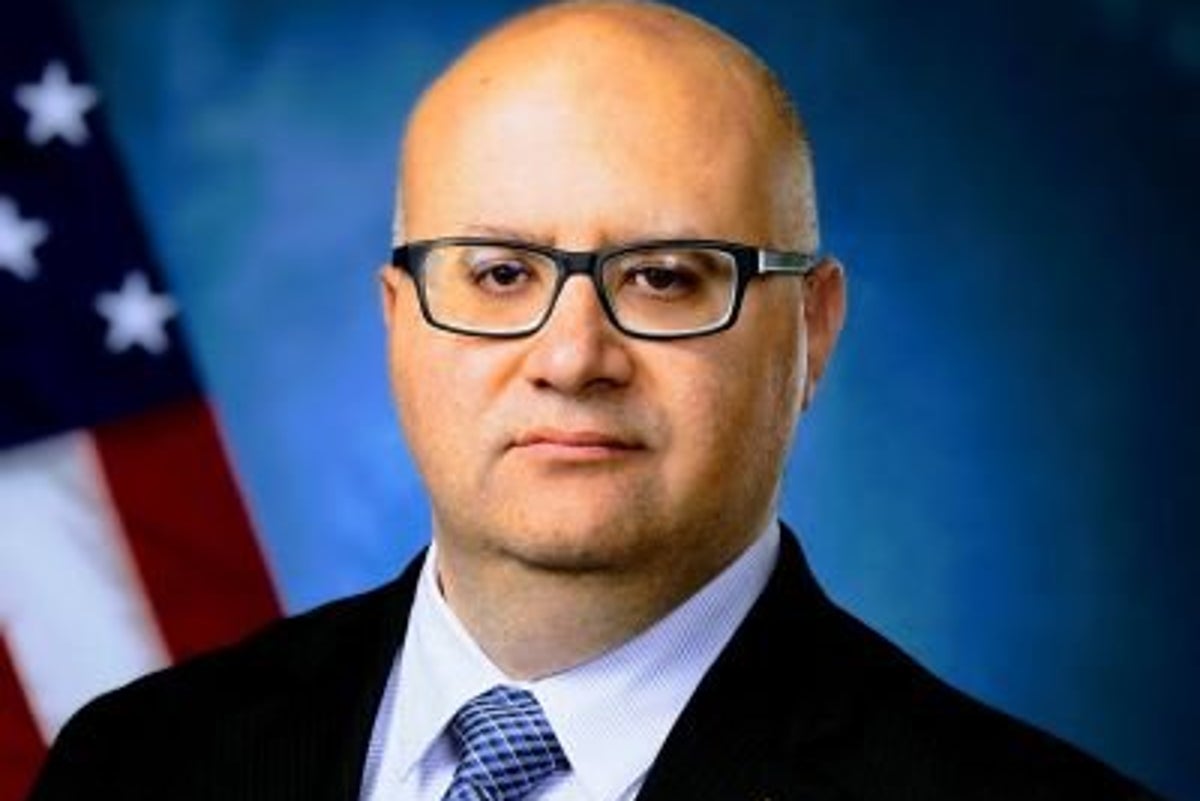
Public trust in federal protection agencies hangs by a thread. When the Secret Service places its top spokesman Anthony Guglielmi alongside two other officials on administrative leave, it signals something far deeper than routine bureaucratic shuffling.
An internal misconduct mystery is unfolding behind closed doors in Washington. You aren't getting the full story from standard press releases. Let's look at what's actually happening beneath the surface of this sudden disciplinary action. Discover more on a related topic: this related article.
The Anatomy of a High Level Internal Crisis
It's rare for an agency's primary public face to get sidelined without an absolute firestorm brewing internally. Anthony Guglielmi has handled media relations through massive institutional scandals, security lapses, and political pressure cookers. When someone in that position gets pulled off the line, the tremors reach the top floors of command.
Two other unnamed personnel joined him on administrative leave. That points directly to an operational or administrative breakdown involving a specific incident rather than a lone-wolf violation. Additional reporting by USA Today highlights related perspectives on this issue.
Transparency is usually the first casualty when federal law enforcement agencies start policing their own. Official statements offer vague references to standards of conduct. They hide behind privacy protocols.
Yet, anyone who has tracked federal oversight knows that administrative leave during an active inquiry means investigators found smoke. They are looking for the fire before it consumes the leadership structure.
Accountability Versus Institutional Shielding
For years, the Secret Service faced relentless scrutiny over security failures, communication breakdowns, and leadership blind spots. Critics often pointed out that accountability stopped at the middle management level. Top brass stayed insulated by layers of procedural defense.
This current move breaks that mold slightly, or at least complicates it. Suspending a chief communicator and two colleagues suggests the scrutiny is hitting closer to the core of daily operations.
You have to ask a hard question. Are these officials being held genuinely responsible for specific ethical breaches, or are they convenient scapegoats for systemic failures?
History tells us federal agencies excel at self-preservation. When external pressure reaches a boiling point, rolling heads often serves as a pressure release valve. It lets leadership claim they are cleaning house without actually fixing the foundational rot.
What Comes Next for the Agency
Public relations crises inside protective details carry massive operational risks. If the people managing the message are compromised or under investigation, the agency loses its voice entirely during critical national moments.
Watch how fast these investigations conclude. If findings remain buried under classification stamps or internal review loops, nothing changes.
True reform requires public clarity. Real oversight means naming the failures and rewriting the playbook. Until the agency opens its doors to genuine external verification, these suspensions remain just another chapter in a long history of institutional damage control.
Keep your eyes on the personnel shifts that follow this announcement. That tells you whether this was a true reckoning or just a cosmetic fix.