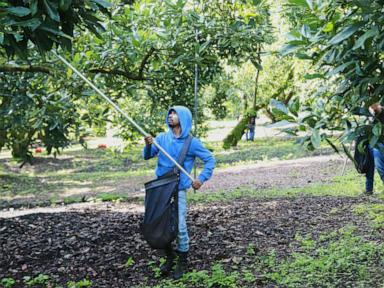
The rope goes over a branch twenty feet in the air, and Francisco Isidro climbs. Fifteen minutes later, a heavy box fills up with fruit bound for the United States. For Isidro and thousands of other pickers in Michoacan, Mexico, the restart of the trade brings an immediate wave of relief.
Paychecks stopped for days when a security alert forced U.S. inspectors off the ground. Now, packing plants run at full speed again, and carts load up. But beneath the superficial calm of returning shipments, the fundamental reality of the region remains unchanged. The cartels didn't go away. They just stepped back to let the cash flow resume.
The Fragile Lifeline of Michoacan
Michoacan supplies the vast majority of avocados eaten across the United States. Sales hit billions of dollars, and millions of American households expect a steady supply of green fruit year-round. When the U.S. Department of Agriculture halts inspections, the entire pipeline chokes instantly.
You might think a temporary suspension is just bureaucratic red tape. It isn't. It is a direct collision between international trade and localized cartel violence.
- The Stoppage: A threat or security alert triggers an immediate freeze.
- The Response: Mexico deploys thousands of soldiers and National Guard troops into the hills.
- The Resolution: Inspections resume, troops patrol, and the cycle resets until the next threat.
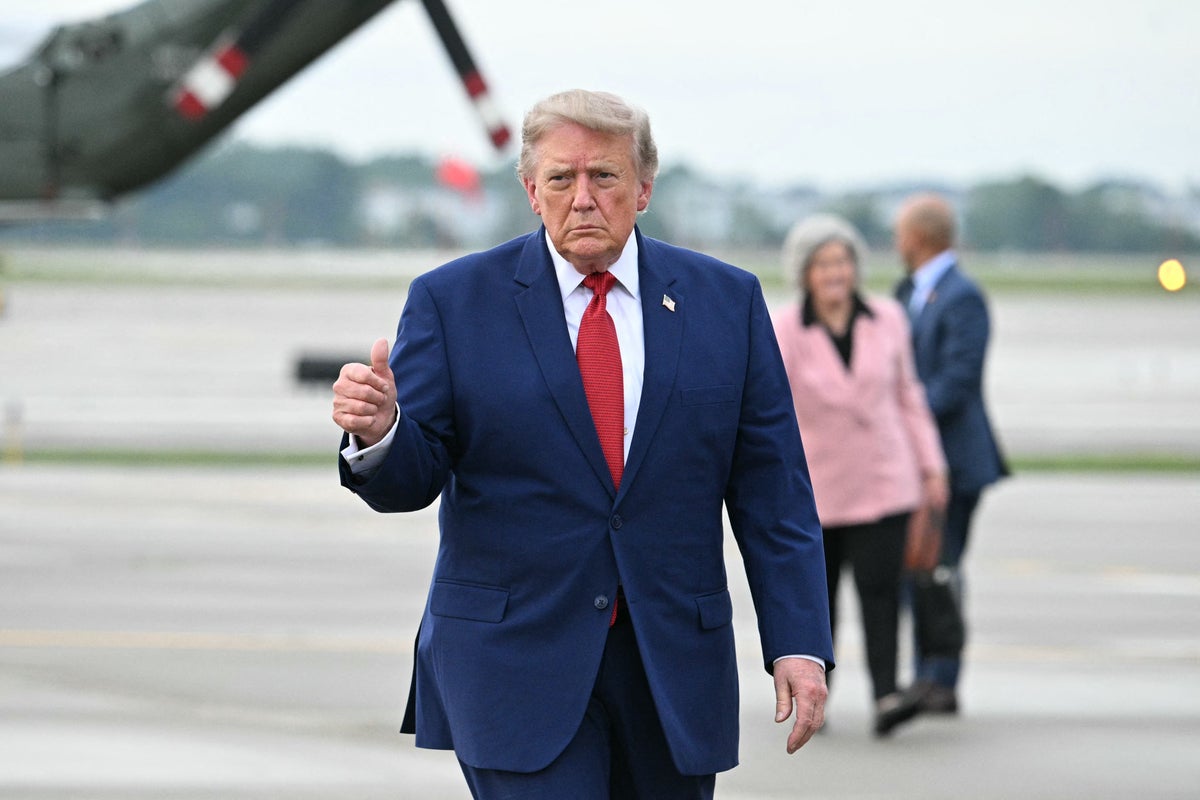
It is a high-stakes dance. Mexican President Claudia Sheinbaum coordinated closely with U.S. Ambassador Ron Johnson to deploy over 1,500 security personnel to the area to get the trucks moving again. Everyone wants the fruit to cross the border. The economic engine depends on it.
Why the Extortion Never Stops
Getting the trade moving again solves the immediate supply crisis, but it ignores the heavy toll paid on the ground. Criminal groups control more than just drug trafficking in western Mexico. They tax the legal economy.
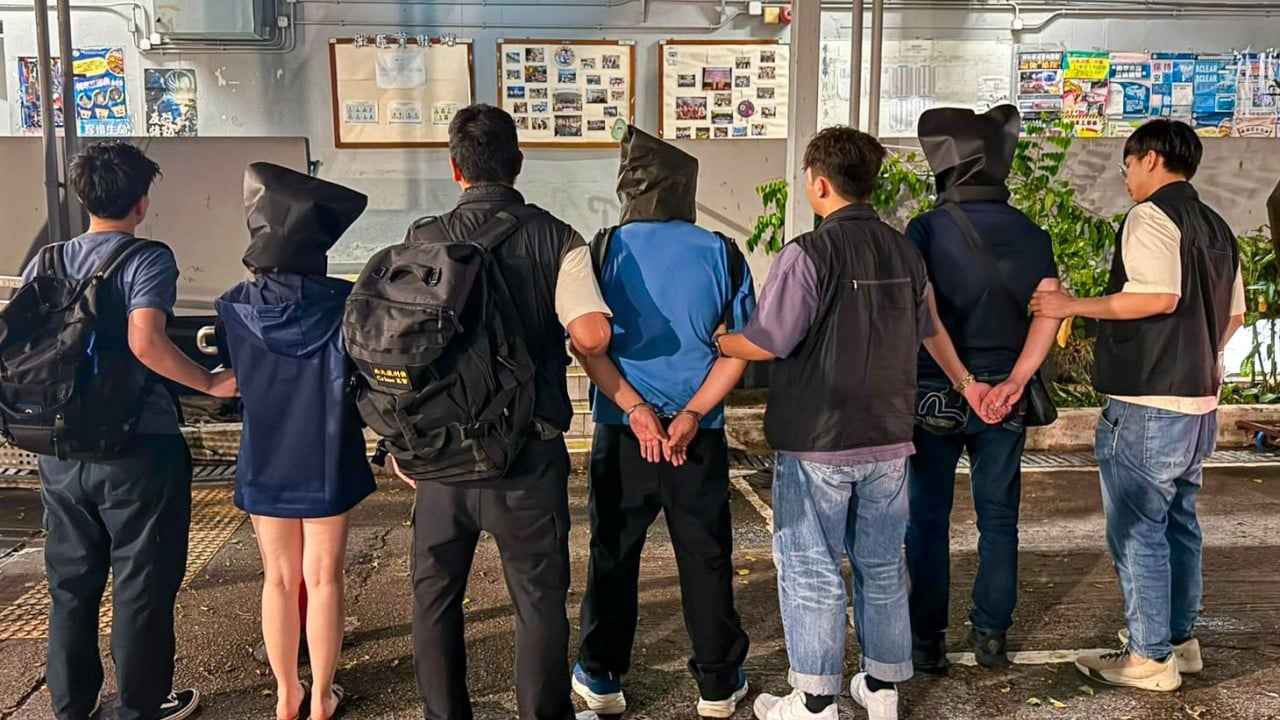
Local producers face constant shakedowns. A typical large grower might pay steep extortion fees for every single kilo of fruit packed and shipped out of the state. If the avocados aren't moving, the criminals don't get paid either. That economic reality is often why shutdowns are relatively short-lived. The cartels have a financial interest in keeping the export machine alive, provided they get their cut.
When U.S. inspectors were temporarily blocked or threatened—similar to incidents seen in past years—the reaction was swift. Yet, longtime business figures in the region admit that military deployments offer only a temporary bandage. The underlying threat of violence persists long after the inspection stations reopen.
What This Means for Your Next Grocery Run
You rarely think about cartel politics when you pick out a firm avocado at the supermarket. You just want something that will ripen nicely by taco night. But every time an alert shuts down inspections in Michoacan, the specter of empty shelves and surging prices looms over American consumers.
The system relies on a fragile balance of armed forces, foreign inspectors, and local laborers who climb tall trees every morning regardless of the risks. Troops on the highway can secure a packing plant for a week or a month. They cannot dismantle the multi-industry criminal networks embedded in the local soil overnight.
For now, the boxes are filling up, the wages are flowing to families in Santa Ana Zirosto, and the export trucks are rolling north. Enjoy your guacamole, but remember the complicated machinery required to put it on your table.
Why Mexico avocado exports to the US have once again been stopped
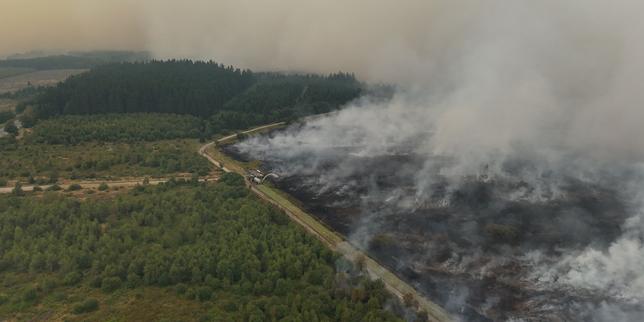
This video provides an overview of the troop deployment and the security threats that triggered the temporary suspension of agricultural inspections in Michoacan.
http://googleusercontent.com/youtube_content/1