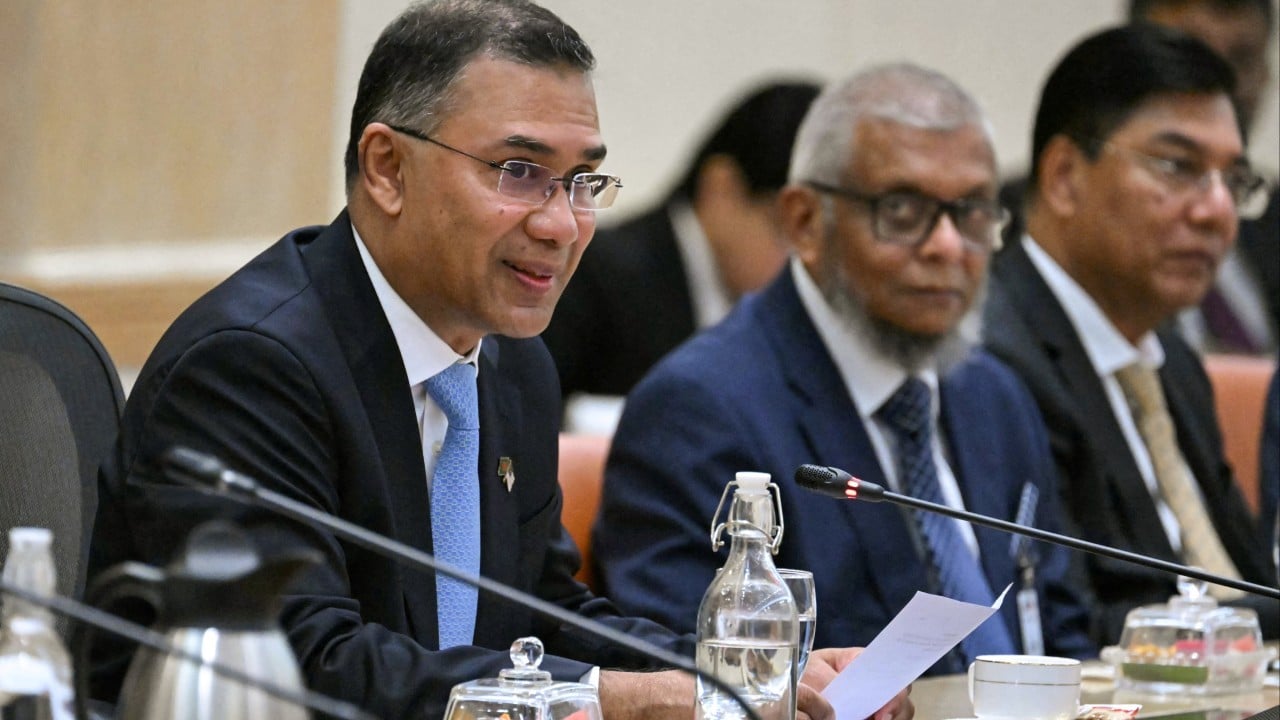
Geopolitical standoffs rarely hinge on a single individual, but right now, the entire diplomatic axis between Dhaka and New Delhi revolves around one exiled former leader. Prime Minister Tarique Rahman has made his position crystal clear. He won't step foot in India until New Delhi hands over former Prime Minister Sheikh Hasina.
If you've been following South Asian politics, you know this breaks decades of diplomatic tradition. Historically, every newly elected Bangladeshi leader makes India their very first international stop. Rahman shattered that routine. He took office earlier this year and chose to visit Malaysia and China instead. That wasn't an accidental scheduling conflict. It was a loud, deliberate message about sovereignty, accountability, and a shift toward a "Bangladesh First" foreign policy.
The Extradition Deadlock and Diplomatic Friction
Why is this standoff happening now? The core issue is simple yet explosive. Sheikh Hasina fled to India during the massive 2024 uprising that dismantled her 15-year administration. Since then, she has been convicted of crimes against humanity in absentia and faces a death sentence in Bangladesh. Dhaka wants her back to face legal consequences. New Delhi keeps saying the request is under official examination.
Foreign ministry officials in Dhaka recently addressed media speculation about a potential trip by Rahman. They didn't mince words. A propitious environment simply doesn't exist for a state visit while a convicted fugitive sits comfortably across the border.
Recent virtual press appearances by Hasina haven't helped matters either. When she uses media platforms to attack the current administration from safety, it vitiates the entire diplomatic atmosphere. Dhaka views her continued sanctuary as a major obstacle to normal bilateral ties.
Shifting Priorities in Dhaka
To understand Rahman's hardline stance, you have to look at the domestic pressure he faces. The 2024 protests weren't just a political squabble. They were a bloody watershed moment where hundreds of citizens lost their lives. The public demand for justice is absolute. Any leader in Dhaka who ignores accountability for those deaths would lose credibility overnight.
This is why traditional regional diplomacy is taking a back seat. Rahman's administration is prioritizing domestic stabilization and legal closure over polite handshakes in New Delhi. By diversifying foreign engagements and strengthening ties with Beijing and Kuala Lumpur, Dhaka is proving it doesn't need to follow old playbooks.
What Happens Next for India-Bangladesh Relations?
The ball is entirely in India's court. New Delhi faces a classic diplomatic trap. Harboring a deeply unpopular former ally damages long-term goodwill with Bangladesh's current leadership and general public. Handing her over sets a complex legal precedent and complicates bilateral optics.
Until New Delhi moves past the "under examination" phase on the extradition request, don't expect any high-level summits. Rahman has drawn a hard boundary. Sovereignty and justice come before diplomatic pageantry.
Take action by tracking how regional trade agreements and border security pacts adapt to this ongoing chill, because normal relations won't resume until this extradition crisis finds a definitive resolution.