Can Canada really supply itself? Right now, a brutal trade war and crushing cross-border tariffs are forcing Canadian businesses to answer that exact question. For decades, companies built hyper-efficient supply chains crossing the border without a second thought. Now, those ties are breaking.
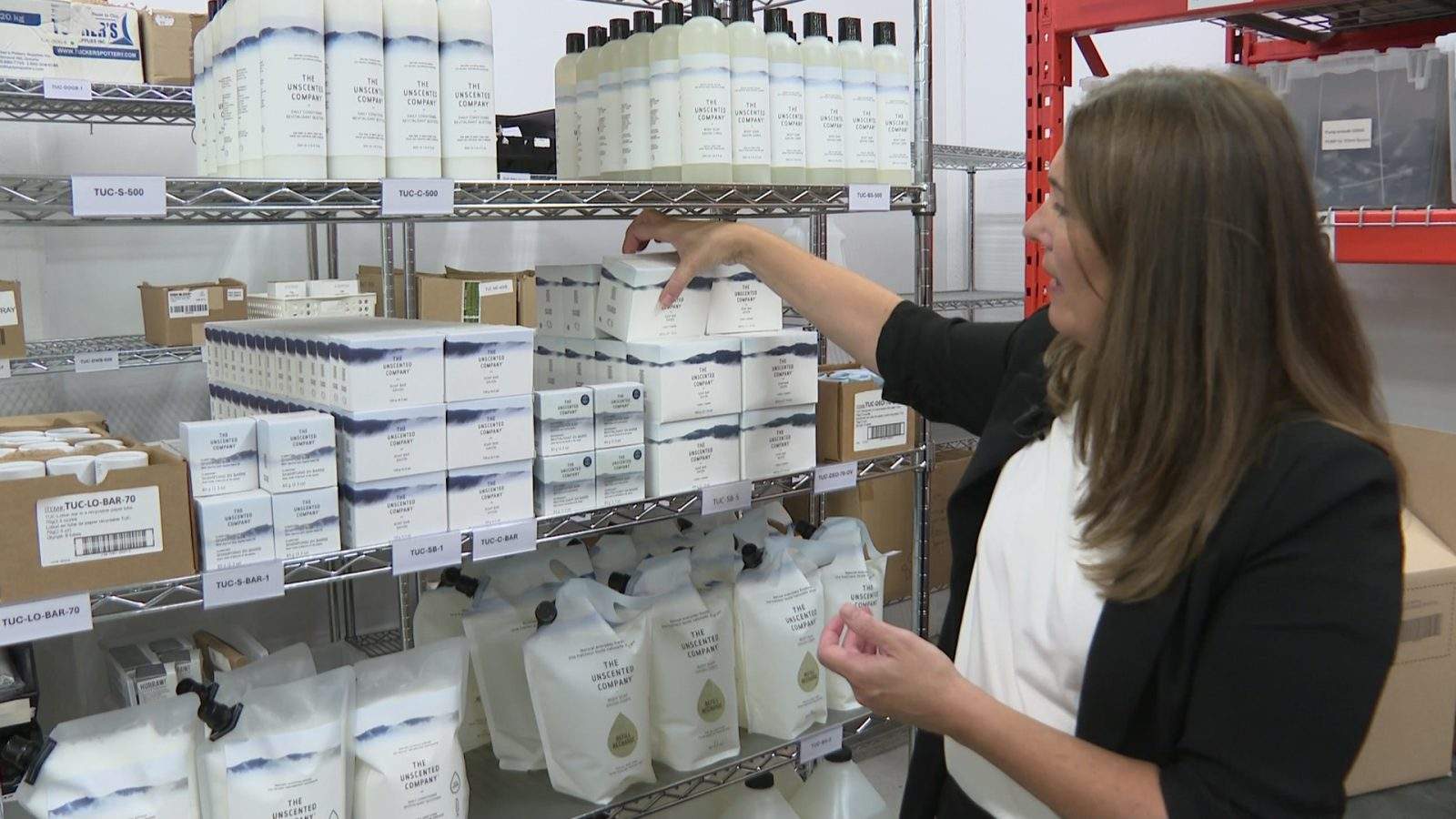
Tariffs and trade disputes mean running a business with American suppliers gets punishingly expensive almost overnight. Look at companies like Montreal-based home care maker The Unscented Company or major brands like Chapman's Ice Cream. They are scrambling to pull manufacturing and ingredient sourcing back inside Canadian borders.
Yet, wanting to buy local and actually pulling it off are two entirely different things.
The Myth of Instant Domestic Independence
Politicians love to stand at podiums and talk about building a self-reliant economy. They make onshoring sound like a simple flip of a switch. It is not.
Decades of integrated trade agreements under NAFTA and CUSMA created a specialized ecosystem. Canadian businesses stopped investing in certain types of manufacturing because Americans did it cheaper and better. Why build a domestic factory for a niche component when you can grab it from Ohio?
Supply chain experts at universities like McGill point out a harsh truth. Small and medium-sized enterprises simply do not have the capital or the infrastructure to replicate entire production lines at home. When you pull manufacturing back to Canada, your upfront costs skyrocket. You lose economies of scale instantly.
Anie Rouleau, CEO of The Unscented Company, admitted publicly that moving soap production from Vermont back to Canada means biting the bullet on short-term profits. She expects to burn thousands of dollars on tariffs if she stays put, but setting up domestic alternatives isn't cheap either. You pay a heavy price for sovereignty while waiting for local production volume to catch up.
Where Canada Falls Short
If you run a business in Canada, you hit brick walls immediately when trying to source locally.
- Climate limitations: You cannot grow citrus fruits, almonds, or year-round fresh vegetables on a mass scale in freezing Canadian winters.
- Raw material gaps: Specialized industrial inputs, advanced chemical compounds, and specific tech components have zero domestic manufacturing base.
- Labor shortages: Finding skilled factory workers in tight regional markets drives up operational costs far beyond U.S. benchmarks.
When you try to substitute an American supplier with a domestic one, you often find the local option lacks the capacity to handle your volume. They might take weeks longer to fulfill orders. Suddenly, your customer service suffers because your shiny "Made in Canada" label comes with massive logistical bottlenecks.
How Smart Businesses Are Adapting
You can't wait out a geopolitical trade war by crossing your fingers. If you're running operations right now, you need a realistic blueprint to survive the tariff squeeze.
Stop trying to replace everything at once. Audit your bill of materials today. Identify components where an American tariff destroys your margins completely, and target those first. Leave low-risk imports alone until your cash flow stabilizes.
Diversify outside the U.S. without defaulting blindly to domestic suppliers. Look at European or Asian markets that offer stable trade terms. Building alternate international corridors protects your business better than forcing an unready local market to supply your needs.
Absorb costs strategically if you have the buffer. Chapman's Ice Cream managed to freeze consumer price hikes by absorbing immediate cost shocks and partnering with alternative international and local suppliers. If you pass every penny of tariff pain directly to your customers, they will jump ship to competitors who found smarter workarounds.
Accept that profitability takes a hit during transition periods. If you treat reshoring as a quick marketing stunt, you'll fail. Make peace with lower margins for the next two to three years while domestic suppliers build the capacity you actually need.
The trade war isn't going away next week. Build your supply chain defensively, stop believing political fairy tales about complete self-sufficiency, and protect your bottom line before the next tariff wave hits.