Federal Reserve Chair Kevin Warsh wanted a quieter central bank. Instead, he walked straight into a political and economic buzzsaw.
After his blunt address at the Jackson Hole Economic Symposium, financial markets woke up to a harsh reality. Inflation refuses to cooperate, price pressures are broad, and the central bank's path forward is anything but simple. Warsh is staring down a classic central banking trap. If he keeps interest rates high, he risks crushing a resilient economy and infuriating the White House. If he cuts rates too soon, he risks cementing high inflation and losing credibility.
It’s a brutal dilemma. And it's reshaping the entire financial playbook.
The Jackson Hole Reality Check
For months, Wall Street hoped that cooling numbers over the summer would give the Fed an easy excuse to pivot. They expected a smooth descent toward lower borrowing costs. Warsh shattered that narrative in late August.
In his remarks, he pointed out a stubborn truth that optimists kept ignoring. More than half of the goods and services tracked by the government are still seeing price increases running at 3 percent or higher. That’s significantly worse than the pre-pandemic norm.
Warsh made it clear that underlying inflation isn't slowing down on its own. By refusing to downplay the risks, he signaled that the Federal Open Market Committee might need to keep tightening conditions, or at least keep rates elevated for much longer than investors want to hear.
Bond yields spiked immediately following the speech. Short-term debt repriced as traders scrambled to handicap the odds of an unexpected rate hike.
The Political Collision Course
The tension isn't just about economic data. It's about power and pressure.
President Trump and his administration have made their stance obvious. They want lower interest rates, arguing that high borrowing costs are choking growth and that inflation has cooled enough to justify relief. Vice President Vance and other officials have publicly pressed the central bank to ease up.
This puts Warsh in an uncomfortable political spotlight. He took office aiming to protect the institutional independence of the Fed. But maintaining that independence while staring down a commander-in-chief who openly demands rate cuts requires ironclad discipline.
If Warsh caves to political pressure and cuts rates prematurely while inflation stays sticky, critics will accuse him of turning the Fed into a political tool. If he raises rates or keeps them locked down while the administration screams for relief, the friction between Washington and Eccles Building will reach a boiling point.
Ditching the Hall of Mirrors
One of Warsh's signature arguments is that the Fed has relied far too heavily on forward guidance. He calls it a "hall-of-mirrors" problem. When central bankers spend all their time signaling their every move, markets stop doing independent risk analysis and start trading entirely on whispers from the Fed.
Warsh is trying to break that habit. He wants a central bank that reacts to hard data rather than hand-holding Wall Street through every cycle.
Yet, abandoning predictable forward guidance creates its own volatility. When traders don't know what the Fed will do next, every single economic data release—like the upcoming Consumer Price Index report—becomes a high-stakes knife edge. Markets swing wildly based on whether a single monthly print ticks up or down by a fraction of a percent.
What Comes Next for Borrowers and Markets
If you're running a business, buying a home, or managing a portfolio, this standoff has real consequences.
Mortgage rates, auto loans, and corporate debt costs remain stubbornly elevated. The idea of cheap money returning anytime soon is a fantasy. Businesses are dealing with a completely different interest rate regime than the one they grew accustomed to over the previous decade.
Warsh has very little margin for error. He has to balance the risk of a reacceleration in prices against the risk of tightening the screws too tightly.
Keep a close eye on incoming employment and inflation prints. The Fed is flying on instruments, and the next policy meeting will show whether Warsh is willing to back up his tough talk with actual tightening, or if the mounting pressure forces him to blink.
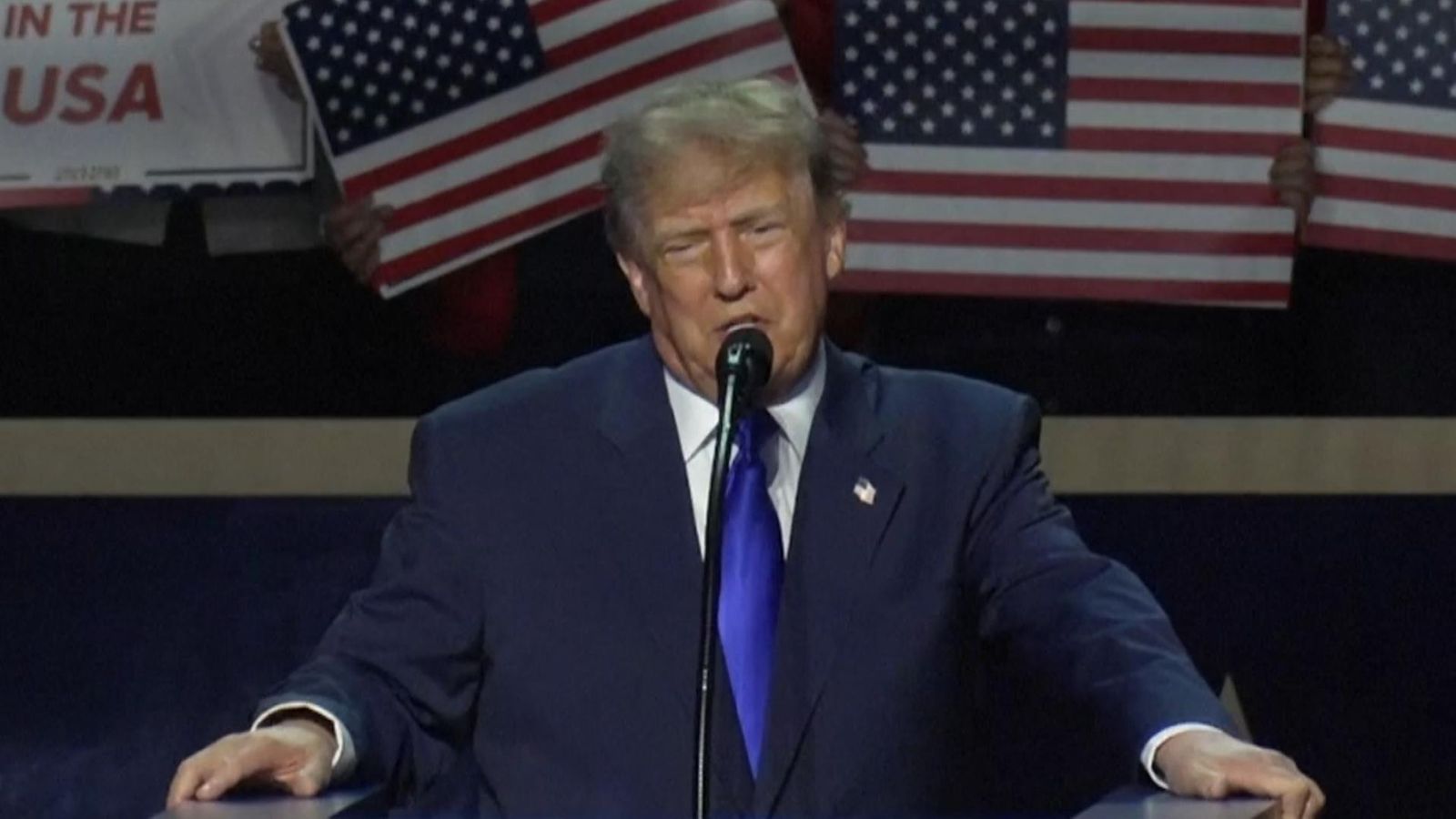
Fed Chair Warsh on Rate Decision, Inflation Outlook and New Policy
This video provides a direct look at Federal Reserve leadership addressing interest rate strategies and inflation containment.