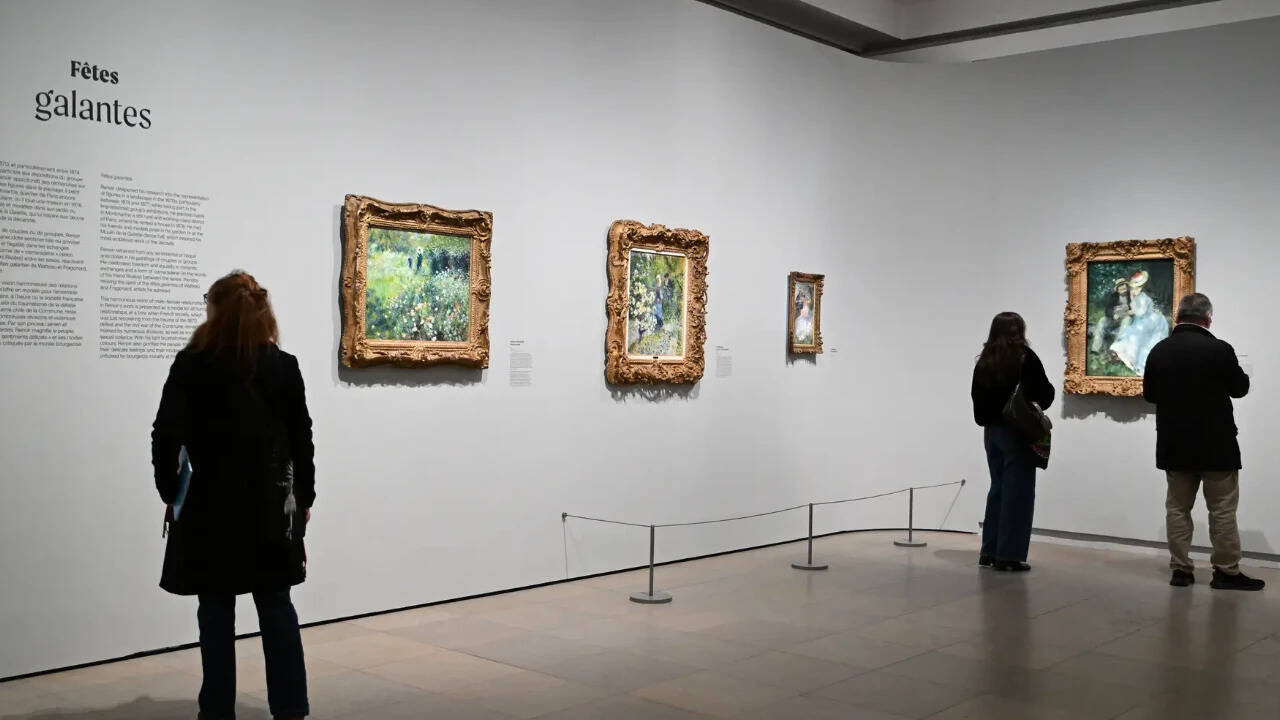
Early on a Tuesday morning, two people broke into the Renoir Museum on the French Riviera and walked out with millions of euros worth of irreplaceable impressionist art. The break-in at Cagnes-sur-Mer hit headlines worldwide, reviving uncomfortable questions about how vulnerable public cultural institutions really are.
Mayor Bryan Masson confirmed that the museum alarm triggered at 5:48 a.m. Municipal police arrived on the scene five minutes later, but the damage was already done. The intruders cut through a garden fence, breached the building, and used a chainsaw to slice the clips securing the artwork frames. They grabbed four paintings created by Pierre-Auguste Renoir, including works like Portrait of Madame Colonna Romano and Young Woman at the Well.
As the thieves fled through the gardens under pressure from the fast-responding police, they dropped two of the paintings, which were later recovered. Even so, the loss of the remaining pieces left authorities scrambling. The total estimated value of the stolen collection hovered around €9 million.
This isn't an isolated incident. It follows a string of high-profile security failures across French cultural sites, including a massive daylight robbery at the Louvre in Paris less than a year prior. Critics are pointing fingers at underfunded local authorities who struggle to bear the skyrocketing costs of high-end museum security systems.
The Reality of Local Museum Vulnerabilities
Major national galleries boast state-of-the-art laser tripwires, armed guards, and bulletproof display cases. Smaller, regional museums don't have those multi-million-dollar budgets. The Renoir Museum occupies the painter's final home before his death in 1919, preserving his personal belongings, easel, and wheelchair alongside his canvases. It functions as a historic house and cultural landmark, making heavy fortification difficult without ruining the visitor experience.
When thieves target these types of locations, they exploit a predictable gap between local municipal budgets and sophisticated criminal methods. Chainsaws and organized gang tactics aren't things small-town police forces encounter every day.
Why Stolen Art Is Hard To Sell
You might wonder how anyone expects to fence a stolen Renoir painting. The short answer is: they usually don't sell them on the open market. Iconic works of art are virtually impossible to auction off legally because art historians, international police agencies like Interpol, and global databases track every single movement of registered masterpieces.
Instead, stolen art often ends up used as collateral in criminal underworld transactions, held for ransom, or tucked away in private collections controlled by high-level syndicates. Sometimes, thieves panic and abandon the pieces when they realize how hot the items have become. That explains why two of the four paintings were left behind in the museum garden as the suspects made a rushed escape.
What Needs to Change
Local leaders are demanding that the French state step up financial support for regional cultural heritage protection. Relying on municipal taxes to guard multi-million-euro masterpieces is a losing strategy. Without national funding for advanced surveillance and physical barriers, smaller institutions remain easy targets for organized crime rings.
If you run a cultural venue or manage public heritage sites, you need to audit your physical access points immediately, review perimeter fence integrity, and ensure local law enforcement shares direct automated feeds with private security contractors.
Protecting history costs money. Ignoring the bill leaves our shared cultural heritage exposed.