Deep beneath a granite ridge in Iran's Central Plateau sits a problem the Pentagon hasn't figured out how to solve. It’s called Pickaxe Mountain, or Kuh-e Kolang Gaz La in Farsi, and it's located a mere two kilometers south of the heavily battered Natanz nuclear site. When Donald Trump warns Tehran not to get "cute" because the United States might hit the complex very soon, he isn't just tossing out another off-the-cuff campaign threat. He's pointing to the single most stubborn, deeply buried puzzle piece left in the Middle East's ongoing shadow war.
What Makes Pickaxe Mountain Different
You can't just drop a standard bunker buster on this place and expect fireworks. While previous strikes damaged surface-level centrifuge shops and older subterranean halls at Natanz, Pickaxe Mountain was built specifically to laugh off conventional ordnance.
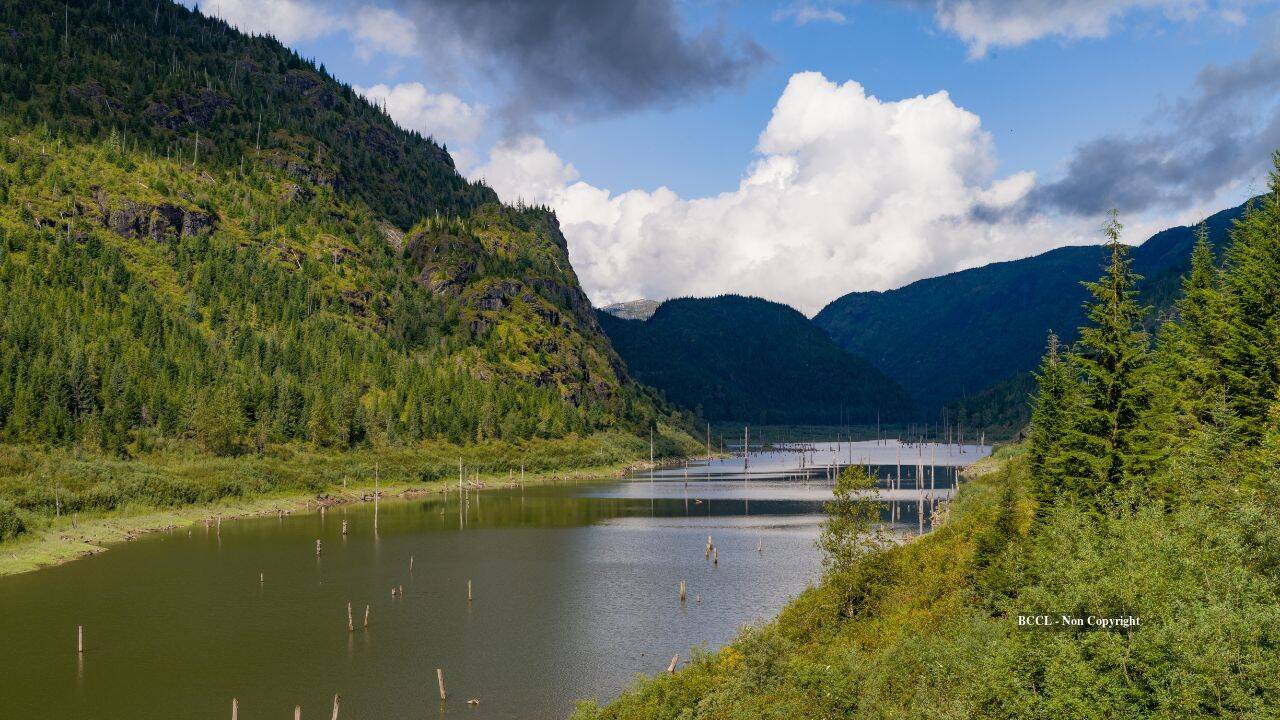
Construction kicked off in late 2020 after an explosion gutted an above-ground centrifuge assembly plant at Natanz—an act of sabotage widely blamed on Israel. Instead of rebuilding where satellites could spot every slab of concrete, Iranian engineers headed into the Zagros foothills. They carved out a subterranean maze sitting anywhere from 100 to 145 meters straight down beneath the mountain's ridge.
Compare that to Fordow or Natanz, which American and Israeli munitions have previously reached, and you realize the sheer scale of the engineering challenge. The granite cap over Pickaxe is thick enough that even the U.S. military's signature GBU-57 Massive Ordnance Penetrator—a 30,000-pound monster designed to plow through 60 meters of earth—might bounce off or fail to reach the core.
The Game of Cat and Mouse Underground
Washington and Tel Aviv are playing a high-stakes guessing game right now. Nobody outside the inner circle of the Islamic Revolutionary Guard Corps knows for sure what's sitting inside those carved-out tunnels.
Independent analysts from the Institute for Science and International Security have tracked the dirt piles outside the portal entrances for years. They point out a simple, uncomfortable reality. The footprint is massive enough to house a full-scale uranium enrichment plant, a centrifuge assembly line, or a secret vault for Iran's stockpile of near-weapons-grade uranium.
Israeli intelligence leaked assessments suggesting Tehran might have already moved thousands of advanced centrifuges into the mountain last autumn. Tehran denies it, claiming the site is still an unfinished construction zone with zero nuclear material inside. Meanwhile, International Atomic Energy Agency chief Rafael Grossi admitted that the watchdog hasn't stepped foot inside the tunnel network. Satellite imagery shows road traffic and fresh concrete pouring, yet nobody can verify whether the centrifuges are spinning or collecting dust.
Why Trump Is Threatening a Strike Now
The timing of Trump's renewed warnings isn't happening in a vacuum. Six months into a grinding regional conflict marked by tit-for-tat tank assaults in the Strait of Hormuz and soaring global energy prices, the political clock is ticking loudly toward the U.S. midterm elections.
Voters care about inflation at the pump, and the White House wants a clean narrative that the war is wrapping up. Trump claimed publicly that the conflict would snap shut the moment the midterms pass, arguing that Tehran is merely thrashing about to sway American politics.
Hitting Pickaxe Mountain serves a dual purpose in that calculus. Militarily, it represents the final brick in the wall of Iran's nuclear infrastructure that hasn't taken a direct hit. Politically, it signals to a hawkish base that the administration is willing to risk a massive escalation rather than let a deeply buried enrichment capability go untouched.
The Physics Problem Plaguing the Pentagon
If you look at the paper trail behind closed doors, U.S. planners are sweating the logistics. Just days before the broader air campaign kicked off earlier this year, the Defense Threat Reduction Agency pushed through an emergency contract to fix up a subterranean test facility at the White Sands Missile Range in New Mexico. They needed to simulate a live-fire crack at a deeply buried target.
The trouble is simple geometry and hard physics. To crack a multi-tiered rock fortress 140 meters underground, air planners talk about a "one-two punch"—dropping one heavy penetrator to carve a shaft, followed immediately by a second to detonate deep inside the first blast hole. Even then, Pentagon geologists aren't guaranteeing a kill. If the tunnel complex features offset stair-steps or blast doors hardened against seismic shockwaves, a conventional strike might just seal the cave doors with the machinery still intact inside.
Tehran knows this. Officials in Tehran have warned that any strike on Pickaxe would turn the entire region into a wider conflagration, threatening the oil flows that keep global markets tethered to the Strait of Hormuz.
Keep your eyes on the spoil heaps outside the western portals rather than the podium speeches in Dallas or Washington. When the dump trucks stop moving and the power lines go dark, the real countdown has already begun.